
To use SAD lamps safely in your morning routine, choose a device with 10,000 lux and position it about 16-24 inches away, slightly above eye level. Use it for 20-30 minutes within the first hour after waking, and avoid staring directly into the light. Be mindful of how your body responds, and reduce exposure if you feel discomfort. Keep exploring for practical tips to optimize your routine without overdoing it.
Key Takeaways
- Use a 10,000 lux SAD lamp for 20-30 minutes within the first hour of waking.
- Position the lamp 16-24 inches away, slightly above eye level, avoiding direct staring.
- Adjust brightness and duration based on your response to prevent eye strain or headaches.
- Incorporate routine habits like outdoor walks and maintaining a consistent sleep schedule.
- Watch for signs of overuse, such as eye discomfort or sleep disruption, and reduce exposure accordingly.
As an affiliate, we earn on qualifying purchases.
How to Use SAD Lamps Safely in the Morning
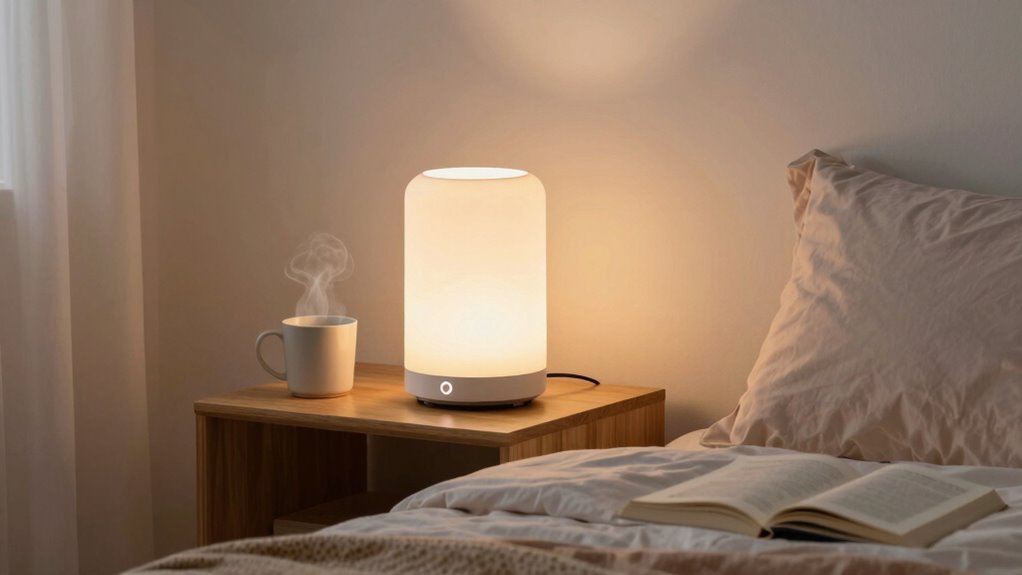
To use SAD lamps safely in the morning, you should start by choosing a device with the appropriate brightness, typically between 10,000 lux. Pay attention to the light spectrum; a lamp that emits full-spectrum or cool-white light closely mimics natural sunlight, enhancing effectiveness. Proper lamp placement is vital—you want the light to reach your eyes indirectly, so position the lamp about 16-24 inches away, slightly above eye level. Keep the lamp at an angle that avoids direct glare or discomfort. Consistent placement ensures you receive uniform light exposure without straining your eyes. Remember, the goal is to simulate natural morning sunlight safely, so avoid placing the lamp too close or in a way that causes discomfort. Proper placement and consistent use are essential for maximizing benefits while minimizing risks. Additionally, using a light therapy schedule can help you establish a routine that maximizes therapeutic effects without overexposure. Incorporating dose management can further prevent potential side effects and optimize the therapy’s benefits. Understanding the importance of light intensity can help you select the most effective device for your needs. Incorporating smart automation and reminders can also help maintain consistent use, ensuring you achieve the best results safely.
full spectrum light therapy lamp
As an affiliate, we earn on qualifying purchases.
As an affiliate, we earn on qualifying purchases.
Choosing the Right Brightness and Duration for Light Therapy
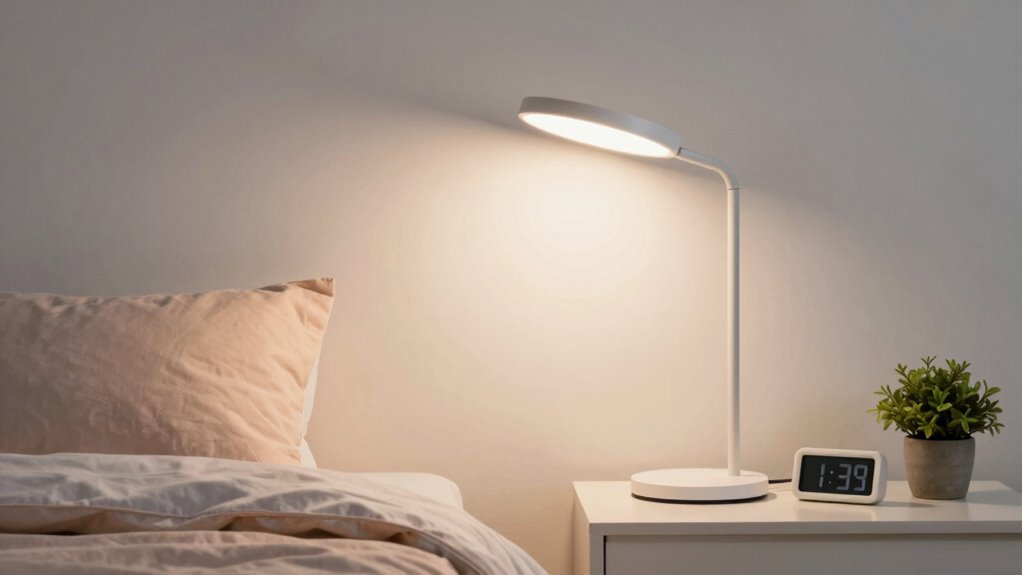
Selecting the appropriate brightness and duration for light therapy is essential to maximize benefits and minimize risks. To find the right balance, consider your individual needs and response to light intensity. Typically, a session length of 20-30 minutes works for most people, but this can vary based on your lamp’s brightness. Use the table below to understand the relationship between light intensity and session length:
| Light Intensity (lux) | Recommended Session Length |
|---|---|
| 10,000 lux | 20-30 minutes |
| 2,500-10,000 lux | 30-60 minutes |
| Less than 2,500 lux | Consult a professional |
Adjust your session length based on your response, and always monitor how you feel afterward to optimize your routine. It’s also important to consider light exposure guidelines to ensure safe and effective use. Understanding light therapy protocols can further help tailor your approach for optimal results.
light therapy lamp for seasonal affective disorder
As an affiliate, we earn on qualifying purchases.
As an affiliate, we earn on qualifying purchases.
When and How to Time Your Light Therapy for Best Results
Timing your light therapy sessions correctly can make a significant difference in their effectiveness. Ideally, you want to expose yourself to the right light intensity soon after waking, typically within the first hour, to help regulate your circadian rhythm. Morning sessions are best because they align with your body’s natural cycle, boosting alertness without risking sleep disruption later in the day. If you use a SAD lamp, avoid prolonged exposure that could cause light intensity to be excessive, which might interfere with your sleep schedule. Proper timing ensures you reap the benefits of light therapy without disturbing your sleep or causing unnecessary side effects. Additionally, understanding hardware specifications can help you choose the most suitable lamp for your needs. Being aware of your personal light exposure needs can further optimize your routine for better mood and sleep regulation. Knowing your light sensitivity can help you tailor the duration and intensity of your sessions for maximum benefit without discomfort.
As an affiliate, we earn on qualifying purchases.
Best Practices for Safe and Effective Morning Light Exposure
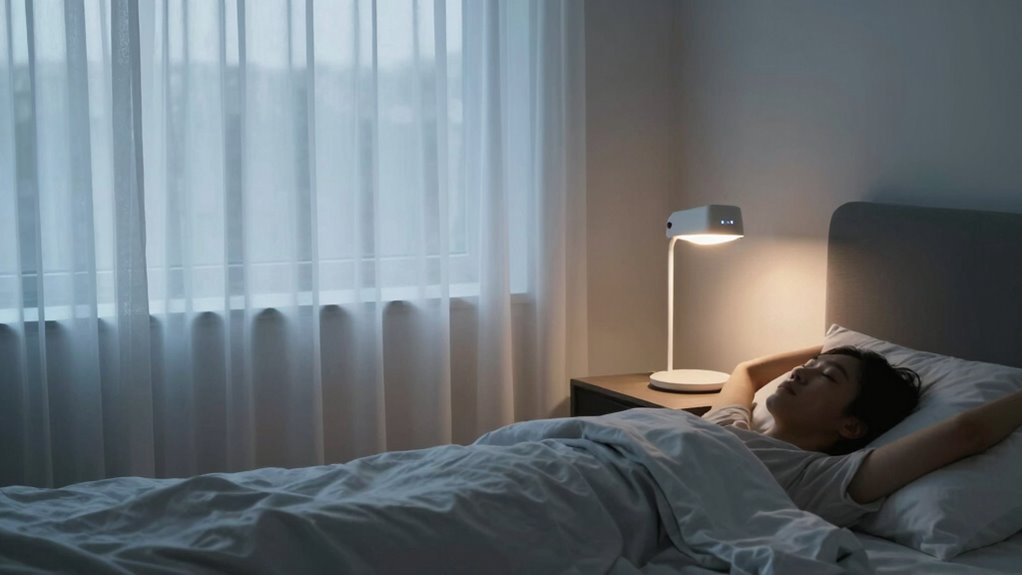
Ensuring safe and effective morning light exposure involves following simple yet important guidelines. First, pay attention to light quality; choose a lamp that emits bright, full-spectrum light similar to natural sunlight, which helps improve mood and alertness. Adjust the light intensity based on your preferences to avoid discomfort or eye strain. Keep the lamp at an appropriate distance and angle to maximize benefits without overexposure. Incorporate proper setup to ensure your device operates safely and efficiently. Consistency is key—use your light therapy device at the same time each morning. Remember, listening to your body is essential; if you experience headaches or eye discomfort, reduce exposure or adjust settings. By tailoring your routine to your preferences and respecting light quality standards, you can enjoy safe, effective morning light therapy.
How to Recognize Overuse and Adjust Your Routine
If you notice your eyes feeling strained or your skin feeling overly sensitive, you might be overusing your SAD lamp. Try adjusting the brightness or the duration of your exposure to prevent discomfort. Also, consider changing the timing to make sure you’re getting the benefits without overdoing it.
Watch for Excessive Brightness
While SAD lamps can be effective, overusing them can lead to excessive brightness that may cause discomfort or headaches. To prevent this, pay attention to glare management. If the light feels too harsh or causes visual discomfort, adjust the lamp’s position or use diffusers to soften the glare. Light modulation is key—reduce brightness settings if you notice any strain or headaches. Keep an eye on how your eyes and head respond after using the lamp, and take breaks if needed. Remember, more brightness isn’t always better. Properly managing glare and adjusting light levels helps you benefit from the lamp without overexposure, ensuring your morning routine remains comfortable and effective. Additionally, understanding Gold IRA Markets can help you explore secure investment options for future financial stability. Being aware of light sensitivity can further help you tailor your routine for optimal comfort and health, especially when considering water-based therapies that can complement your light therapy routine. Recognizing electric bike horsepower can also inspire alternative ways to incorporate movement into your daily routine, promoting overall well-being. Paying attention to your sleep patterns can also improve your response to light therapy and enhance overall mood and energy levels.
Adjust Timing Accordingly
Paying attention to how your body reacts during and after using SAD lamps helps you recognize signs of overuse. If you notice headaches, eye strain, or feelings of agitation, it might mean you need to adjust your timing. For Seasonal Affective disorder, the right light intensity and duration are essential. To fine-tune your routine, consider these points:
- Start with shorter sessions and gradually increase if needed
- Use the lamp in the morning, not late in the day
- Adjust exposure based on your mood and energy levels
- Remember that overuse can cause fatigue or irritability
- Understanding your body’s physical responses can help you optimize your light therapy and prevent overexposure. Being aware of light exposure limits can further support your safety and effectiveness. Recognizing individual tolerance is also key to customizing your usage safely.
Incorporating SAD Lamps Into Your Daily Morning Routine

Starting your day with a SAD lamp can profoundly boost your mood and energy levels, especially during darker months. To incorporate it effectively, choose a lamp with appropriate light intensity—around 10,000 lux is usually recommended. Position the lamp about 16 to 24 inches from your face, ensuring the light reaches your eyes indirectly. Schedule your session during the first hour after waking up, aiming for about 20 to 30 minutes daily. Consistency is key, so try to stick to the same time each morning. You don’t need to look directly into the light; just have it in your peripheral vision while you go about your routine. light intensity is a crucial factor to ensure you receive enough exposure for benefits without overdoing it. Incorporating the right light exposure into your routine can help regulate your circadian rhythm and improve overall wellbeing. Using a light therapy device that meets safety standards can maximize benefits and minimize risks. Ensuring your light therapy setup is correctly configured can further enhance its effectiveness. Additionally, being mindful of light duration can prevent eye strain and fatigue. This simple addition can make a significant difference in how energized and positive you feel throughout the day.
Enhancing Your Mood With Light Therapy and Other Habits
Light therapy is a powerful tool for boosting your mood, but combining it with other healthy habits can amplify its benefits. Proper light exposure not only enhances mood improvement but also supports your circadian rhythm. To maximize these effects, consider integrating habits like regular outdoor walks, maintaining a consistent sleep schedule, eating balanced meals, and practicing mindfulness. These habits work together to deepen the positive impact of light therapy.
- Spend time outside each day to increase natural light exposure
- Stick to a consistent sleep routine for better mood regulation
- Eat nutrient-rich foods that support brain health
- Practice relaxation techniques to reduce stress and improve overall well-being
FAQs About Using SAD Lamps in the Morning
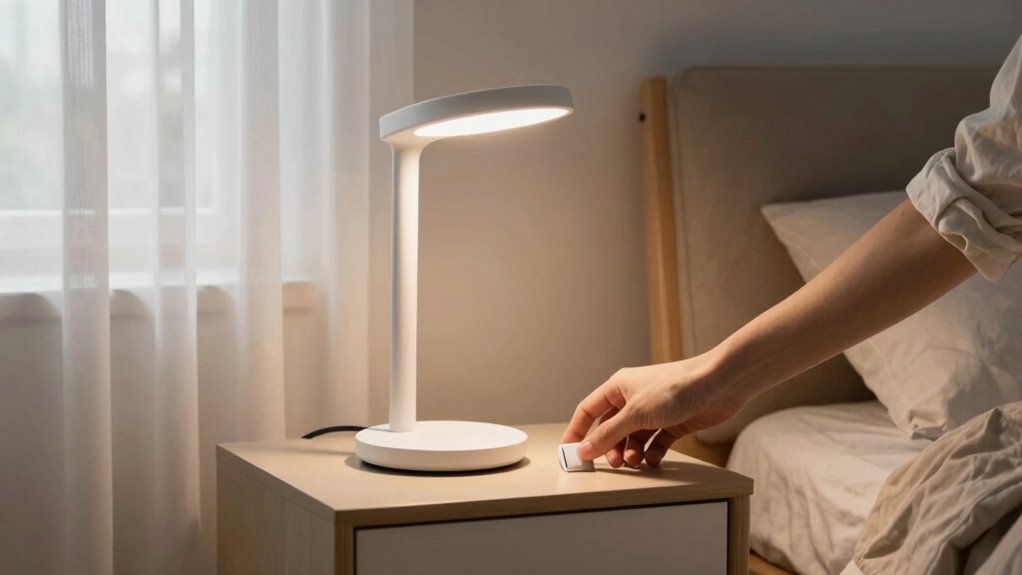
Are you unsure about how bright your SAD lamp should be or when to use it for the best results? You might also wonder how long each session should last and if there are any side effects to watch for. Let’s explore these common questions to help you use your lamp safely and effectively.
Ideal Brightness Levels
When using SAD lamps in the morning, selecting the right brightness level is essential for effective treatment without causing discomfort. Generally, a lamp with 10,000 lux is recommended, but individual needs vary. Keep in mind that proper lamp placement and light color influence how you experience the light. Position the lamp about 16-24 inches from your face, slightly above eye level, to maximize benefits. Use a daylight or cool-white light color to mimic natural sunlight, which helps regulate your circadian rhythm.
Consider these points:
- Adjust brightness based on your sensitivity
- Use a lamp with adjustable brightness settings
- Avoid glare by choosing diffuse light
- Match light color to natural daylight for ideal effect
Timing and Duration Tips
To get the most benefits from your SAD lamp, timing and duration are key factors to contemplate. Start your session within 30 minutes of waking up, ideally before breakfast, to align with your circadian rhythm. Keep the light intensity at an effective level—typically between 10,000 lux—and make certain your session duration is about 20 to 30 minutes. If you experience discomfort or headaches, you might need to reduce either the session length or the light intensity slightly. Consistency is vital; try to use your lamp every morning at the same time. Remember, longer sessions aren’t necessarily better and could lead to overstimulation. Adjust the timing and duration based on how your body responds for best results.
Potential Side Effects
While SAD lamps can effectively lift your mood, they may also cause some side effects, especially if you don’t utilize proper light exposure. Overdoing it can lead to headaches, eye strain, or insomnia, disrupting your mood regulation. It’s essential to balance your light exposure to avoid these issues. Keep in mind:
- Excessive exposure can cause irritability or agitation.
- Too much light might interfere with your sleep cycle.
- Bright light can sometimes trigger migraines or headaches.
- Improper use may lead to eye discomfort or dryness.
Monitoring how your body reacts helps prevent negative effects. Using the lamp as directed ensures you support your mood regulation without risking adverse side effects. Always listen to your body and adjust your routine accordingly.
Signs You Might Be Overdoing It and How to Adjust Your Usage
Excessive use of SAD lamps can lead to unwanted side effects, so it’s important to recognize if you’re overdoing it. One sign is experiencing headaches or eye strain, which may indicate that the light intensity is too high or you’re exposing yourself for too long. If your eyes feel uncomfortable or you notice blurred vision, it’s a clear signal to cut back. Additionally, overuse can disrupt your sleep pattern, making it harder to fall asleep at night. To prevent these issues, limit your sessions to the recommended duration and maintain proper distance from the lamp. Always prioritize eye safety by avoiding staring directly into the light and taking breaks. Adjust your usage accordingly to enjoy benefits without risking discomfort or harm.
Frequently Asked Questions
Can SAD Lamps Be Used at Any Time of Day?
You can use SAD lamps at any time of day, but timing considerations matter. For ideal benefits, incorporate them into your daily scheduling, ideally in the morning to boost your mood and energy levels. Avoid late-afternoon or evening use, as light exposure too late can interfere with sleep. Stick to a consistent routine, and if you notice any disruptions, adjust your timing accordingly.
Are There Any Age Restrictions for Using Light Therapy?
Think of light therapy as a gentle sunbeam—powerful yet delicate. Age restrictions matter; children and teens typically need pediatric use guidelines, meaning you should consult a healthcare professional before starting. For adults, there’s usually no strict age limit, but individual health conditions might influence safety. Always supervise younger users and follow manufacturer instructions to guarantee the light’s warmth brightens your day safely and effectively.
How Do I Know if My Lamp Is Effective?
You’ll know your lamp is effective if you notice improved mood, energy, or sleep within a week or two. Check the lamp’s brightness, aiming for at least 10,000 lux, and verify it’s placed about 16 to 24 inches from your face. Use it consistently in the morning, and if you see no change after a few weeks, consider adjusting the placement or brightness, or consulting a professional.
Can SAD Lamps Replace Natural Sunlight Entirely?
You can’t rely solely on SAD lamps to replace natural sunlight. While artificial lighting can help boost your mood and support your circadian rhythm, it doesn’t fully mimic the benefits of natural sunlight, like vitamin D production. To maintain a healthy circadian rhythm, it’s best to get daily outdoor exposure when possible, using SAD lamps as a supplement, not a complete substitute, for natural light.
What Should I Do if I Experience Side Effects?
If you experience side effects like light sensitivity, stop using the lamp and consult a healthcare professional. Did you know that up to 10% of users report mild side effects? To minimize issues, adjust the dosage or duration of exposure gradually. Always listen to your body, and if symptoms persist, seek medical advice to guarantee safe and effective use of your light therapy.
Conclusion
Think of your morning light routine as tending a garden. Too little sunlight, and your plants struggle; too much, and they wither. Find that perfect balance, nurture it daily, and watch your mood blossom. Just like a garden needs care and attention, your light therapy requires mindful use. With patience and moderation, you’ll cultivate brighter mornings and a healthier, happier you—beyond the shadows, into the sunlight.