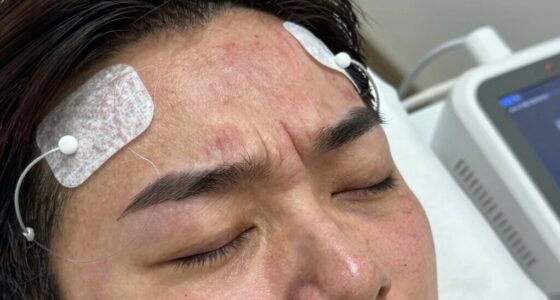
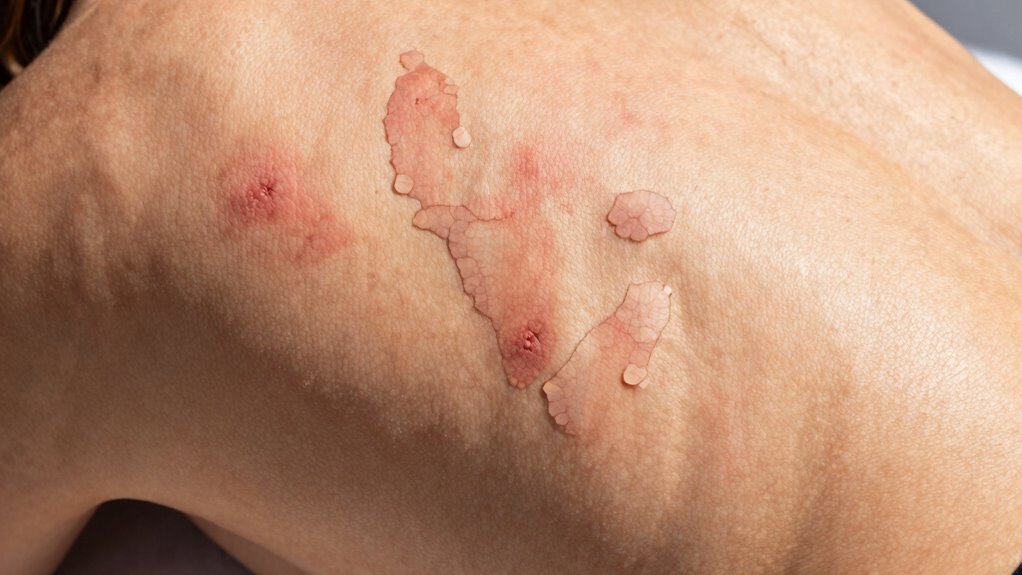

Sun exposure damages your skin and increases its sensitivity, which can lead to serious side effects during IPL treatments. When your skin is sun-damaged, it’s more prone to burns, hyperpigmentation, and uneven results. The increased melanin and inflammation make IPL risky and less effective. Protecting your skin before treatment is essential for safety and ideal outcomes. Want to discover how to prepare your skin properly and avoid complications? Keep exploring to learn more.

Turn your quiet moments into listening time
- Thousands of audiobooks, podcasts and originals
- Listen on your phone, tablet or Echo — also offline
- Cancel anytime
Key Takeaways
- Sun exposure increases skin sensitivity, raising the risk of burns and pigmentation during IPL treatments.
- Sun-damaged skin has higher melanin levels, which can cause uneven results and adverse reactions with IPL.
- UV rays inflame and irritate the skin, making it more reactive and vulnerable to IPL side effects.
- Protecting skin from the sun before IPL helps ensure safer, more effective treatments with fewer complications.
- Sun exposure post-IPL can impair healing and increase the likelihood of pigmentation issues.
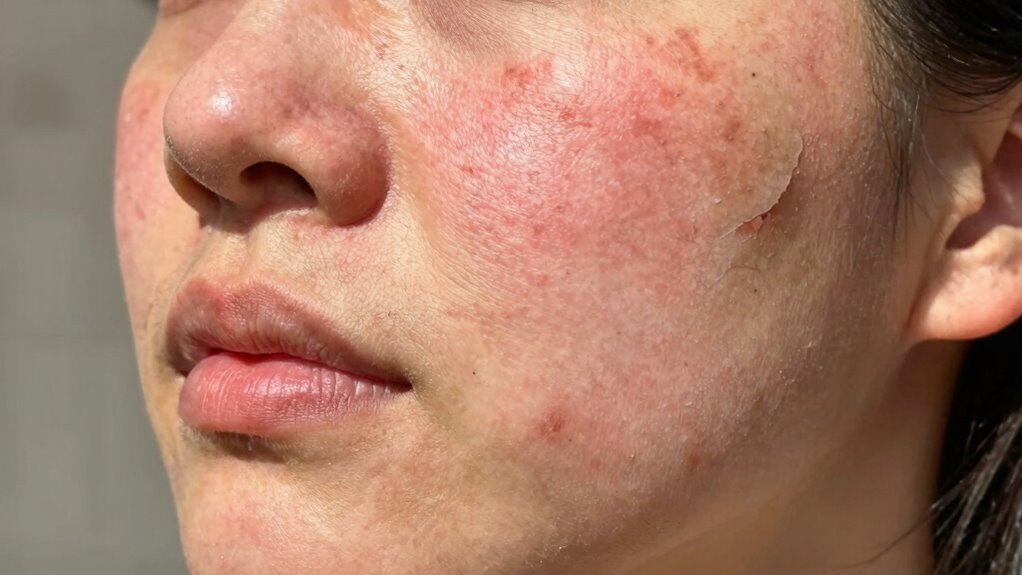
Sun exposure can markedly increase the risks associated with Intense Pulsed Light (IPL) treatments, making it vital to understand how these two factors interact. When you’re exposed to the sun, your skin becomes more sensitive, and this heightened sensitivity can lead to adverse reactions during IPL sessions. That’s why proper sun protection before and after treatment is essential. If you neglect this, you risk burns, hyperpigmentation, or even scarring. Sun protection isn’t just about wearing sunscreen; it also involves avoiding prolonged exposure, seeking shade, and wearing protective clothing. These steps help minimize skin sensitivity and guarantee your skin is in the best condition possible for IPL.
Your skin’s sensitivity plays a significant role in how it responds to IPL. When your skin has been exposed to the sun, it produces more melanin, which can make it more reactive to light-based treatments. Increased melanin levels mean a higher chance of uneven pigmentation or burns because the IPL targets pigmented areas. If you’ve recently been in the sun, your skin may be more prone to adverse effects because it’s already inflamed or irritated. That’s why most professionals recommend postponing IPL treatments until your skin has fully recovered from sun exposure. Waiting allows your skin to return to a more stable, less sensitive state, reducing the likelihood of unwanted side effects.
It’s also important to recognize that skin sensitivity varies from person to person. Some individuals might notice only mild redness after sun exposure, while others experience significant inflammation. Regardless, any increase in sensitivity can make IPL treatments riskier. Protecting your skin from the sun in the days leading up to your appointment isn’t just a precaution—it’s a necessity. Using broad-spectrum sunscreen daily, avoiding peak sunlight hours, and wearing hats or protective clothing can make a big difference. These measures help keep your skin calm, less reactive, and ready for IPL. Being aware of your skin’s reactivity can also help you better manage your skin’s response to treatments and reduce potential side effects.
In essence, sun exposure and IPL don’t mix well because sun-damaged skin is more vulnerable to complications. Prioritizing sun protection and understanding your skin’s sensitivity can help you avoid unnecessary risks. If you’re planning an IPL treatment, think of it as preparing your skin for safe and effective results. By keeping your skin shielded from the sun, you’ll enhance the safety of the procedure and promote better outcomes. Ultimately, taking steps to minimize sun exposure before your IPL session isn’t just about safety—it’s about getting the best results with minimal discomfort or complications. Additionally, understanding skin sensitivity can help you better manage your skin’s response to treatments and reduce potential side effects. Recognizing how sun damage impacts your skin’s reactivity is a key component of treatment planning. Being aware of your skin’s reactivity can also guide you in customizing your skincare routine to support healing and overall skin health.
broad spectrum SPF sunscreen for face
As an affiliate, we earn on qualifying purchases.
As an affiliate, we earn on qualifying purchases.
Frequently Asked Questions
Can I Get IPL Treatment Immediately After Sun Exposure?
No, you shouldn’t get IPL treatment immediately after sun exposure. Sun damage increases your skin’s sensitivity, making IPL more likely to cause irritation or burns. Sun-exposed skin is already compromised, so postponing your treatment helps prevent adverse reactions. It’s best to wait until your skin fully recovers from sun exposure and shows no signs of redness or irritation. Protecting your skin guarantees safe and effective IPL results.
How Long Should I Wait to Resume Sun Exposure Post-Ipl?
Think of your skin as a delicate garden needing time to bloom again. After IPL, you should wait at least two weeks before exposing yourself to the sun. During this period, focus on sun safety and skin recovery; avoid direct sunlight and wear protective clothing. Rushing back into sun exposure can undo your progress and cause damage. Patience now guarantees a healthier, glowing you in the long run.
Does Sunscreen Fully Protect Skin From Ipl-Related Damage?
Sunscreen helps protect your skin but doesn’t fully prevent IPL-related damage. Sun protection is essential, especially since IPL increases skin sensitivity, making it more vulnerable to UV rays. You should always apply broad-spectrum sunscreen with high SPF, wear protective clothing, and limit sun exposure after treatment. Keep in mind, some damage can still occur despite using sunscreen, so it’s best to avoid prolonged sun exposure during healing.
Are There Specific Skin Tones More at Risk During Sun Exposure With IPL?
Your skin tone and melanin concentration influence your risk during sun exposure with IPL treatments. People with darker skin tones or higher melanin levels are more at risk because their skin absorbs more light, increasing the chance of pigmentation changes or damage. To protect yourself, avoid sun exposure before and after IPL sessions, and always use broad-spectrum sunscreen, especially if you have a darker skin tone.
Can Tanning Beds Affect IPL Treatment Outcomes or Risks?
Think of a tanning bed as lighting a fire under your skin’s natural defenses. Tanning beds increase skin pigmentation, which can interfere with IPL treatment’s effectiveness and raise risks. The intense UV exposure from tanning beds makes your skin more prone to burns, hyperpigmentation, or scarring after IPL. To protect your skin and guarantee ideal results, avoid tanning beds before and after IPL sessions.
UV protective clothing for sun protection
As an affiliate, we earn on qualifying purchases.
As an affiliate, we earn on qualifying purchases.
Conclusion
Think of your skin like a delicate garden. Just as you wouldn’t leave fragile flowers exposed to harsh sun, you shouldn’t expose your skin to the sun after IPL treatments. I once met someone who ignored this advice and ended up with unexpected burns—like a garden left in the scorching sun. Protecting your skin is like watering your plants; it keeps everything healthy and thriving. Stay safe, stay shaded, and give your skin the care it needs.
wide-brim sun hat for skin protection
As an affiliate, we earn on qualifying purchases.
As an affiliate, we earn on qualifying purchases.
As an affiliate, we earn on qualifying purchases.
Fall Picks
fall essentials
As an affiliate, we earn on qualifying purchases.