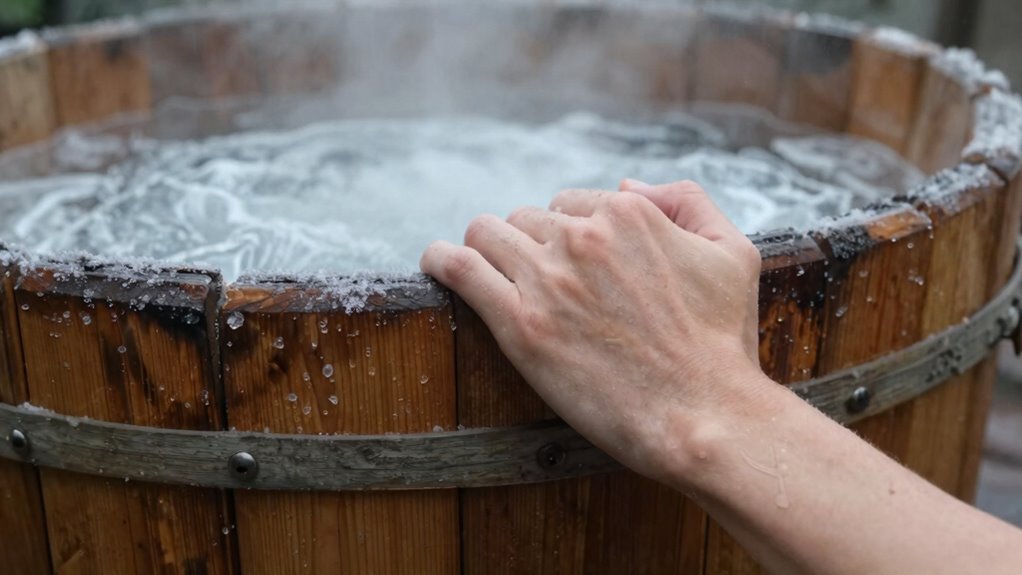

If you have underlying health conditions like heart disease, high blood pressure, or circulatory issues, you should be cautious with cold plunges at home. Older adults, pregnant individuals, or those with immune system problems also face increased risks. Sudden cold exposure can trigger adverse reactions, so it’s important to start slowly and consult your healthcare provider first. To make sure you stay safe, understanding these considerations will help you navigate cold plunging more confidently.

Turn your quiet moments into listening time
- Thousands of audiobooks, podcasts and originals
- Listen on your phone, tablet or Echo — also offline
- Cancel anytime
Key Takeaways
- Individuals with heart conditions, hypertension, or circulatory issues should consult a healthcare provider before cold plunging.
- Older adults and those with reduced physical resilience are at higher risk of adverse effects.
- People with immune system problems or chronic illnesses should exercise caution due to potential immune suppression.
- Pregnant individuals should avoid cold immersion unless cleared by a healthcare professional.
- Beginners should start gradually, never plunge alone, and be aware of personal limits to prevent hypothermia and cold shock.
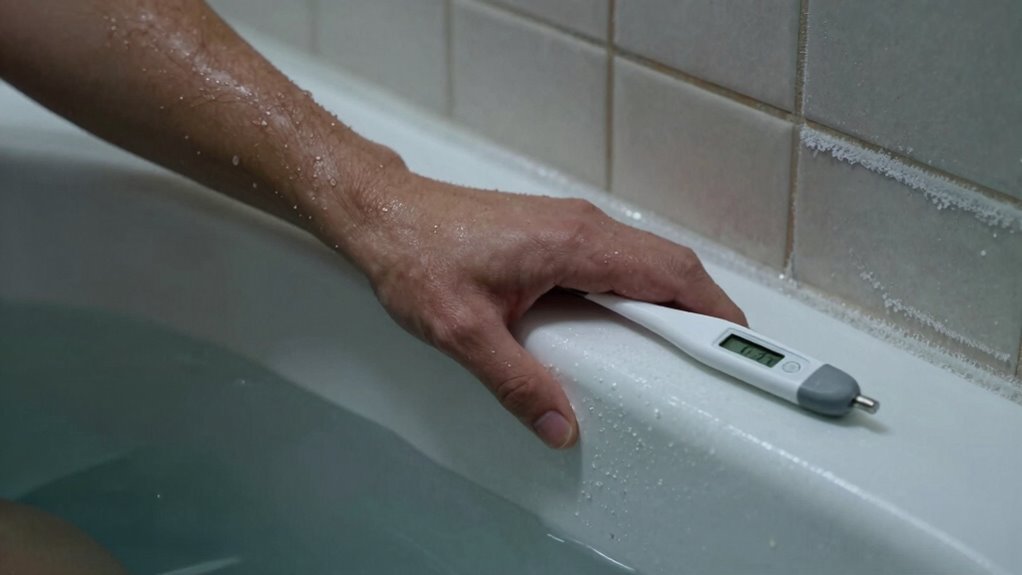
While cold plunges can offer numerous health benefits, they aren’t suitable for everyone, especially when done at home without professional guidance. The benefits outweigh the risks for many, but it’s essential to understand who might be more vulnerable to adverse effects. If you have underlying health conditions, particularly cardiovascular issues, you need to approach cold plunging with caution. The sudden exposure to cold water causes blood vessels to constrict, which can put extra strain on your heart and circulatory system. For individuals with hypertension, arrhythmias, or heart disease, this sudden shift can increase the risk of complications. Even if you’re generally healthy, it’s wise to consult your healthcare provider before starting cold plunges, especially if you’re taking medications that affect blood pressure or heart rate.
Risk considerations also extend to your age and overall physical condition. Older adults may have less resilience to extreme temperature changes, making cold plunges potentially more hazardous. Likewise, if you’re pregnant, you should avoid cold water immersion unless cleared by your doctor. The shock of cold water can cause rapid breathing and stress your body, which isn’t ideal during pregnancy. Those with immune system issues or chronic illnesses, such as diabetes or circulatory disorders, also need to be cautious. Cold water exposure can suppress immune function temporarily and might exacerbate existing health issues. Additionally, understanding the effects of cold water on immune response can help you make safer choices. It’s also vital to recognize that the body’s response to cold varies from person to person, influencing how you should approach cold plunging. Being aware of your own physical resilience can help you determine whether cold plunging is appropriate for you. Recognizing the importance of gradual acclimation can significantly reduce risks and improve your experience. Furthermore, staying informed about safe cold plunge practices can reduce the likelihood of accidental hypothermia or cold shock. It’s essential to start slow, gradually acclimate your body, and never plunge alone, so help is available if needed.
As an affiliate, we earn on qualifying purchases.
Frequently Asked Questions
Can Cold Plunges Improve Mental Health or Mood?
Cold plunges can improve your mental health and boost your mood by triggering the release of endorphins and reducing stress hormones. You might notice enhanced mood and mental clarity after regularly immersing yourself in cold water. However, if you have underlying health issues, it’s crucial to be cautious. While many find mood enhancement benefits, always listen to your body and consult a healthcare professional if you’re unsure about incorporating cold plunges into your routine.
Are There Age Restrictions for Cold Plunging at Home?
Think of cold plunging as a delicate dance — it’s invigorating but needs careful steps. Age restrictions vary, but generally, children and seniors should exercise caution. Follow safety guidelines closely, like limiting time and temperature, regardless of age. If you’re under 18 or over 65, consult a healthcare professional first. Being mindful guarantees you enjoy the benefits without risking your health.
What Are the Signs of Adverse Reactions to Cold Exposure?
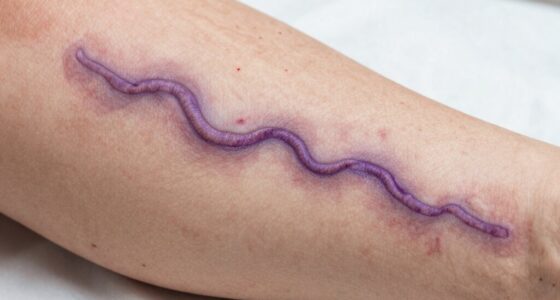
If you experience cold shock symptoms like rapid breathing, muscle pain, or dizziness, stop immediately and warm up. Watch for skin irritation, such as redness or rash, which can signal a reaction. If you feel chest pain, severe discomfort, or persistent numbness, seek medical help. These signs indicate your body is struggling with cold exposure, so listen to your body and avoid pushing beyond your limits.
How Long Should a Typical Cold Plunge Last?
A typical cold plunge should last about 1 to 3 minutes, depending on your water temperature and comfort level. For beginners, start with shorter durations, around 30 seconds to 1 minute, especially if the water is very cold. Follow water temperature and duration guidelines carefully, listening to your body. If you feel numbness, dizziness, or discomfort, exit immediately to prevent adverse reactions.
Can Cold Plunges Help With Muscle Recovery?
Cold plunges can aid muscle recovery by reducing inflammation and soreness, making them popular among athletes. However, about 20% of users experience cold shock, which can cause rapid breathing and increased heart rate, raising hypothermia risks if not done carefully. If you’re new to cold plunges, start slowly and limit your time in the water to avoid adverse effects. Always listen to your body and consult a professional if unsure.
As an affiliate, we earn on qualifying purchases.
Conclusion
If you’re considering cold plunges at home, remember: your health is the compass, guiding your choices. Don’t let excitement drown out caution—listen to your body’s whispers and seek medical advice if you have underlying conditions. Like a delicate dance, balance is key; too much cold can turn a revitalizing retreat into a risk. Stay mindful, stay safe, and let wisdom be your guiding star amidst the icy waters.
As an affiliate, we earn on qualifying purchases.
cold plunge accessories for beginners
As an affiliate, we earn on qualifying purchases.
As an affiliate, we earn on qualifying purchases.
Halloween Picks
halloween
As an affiliate, we earn on qualifying purchases.