
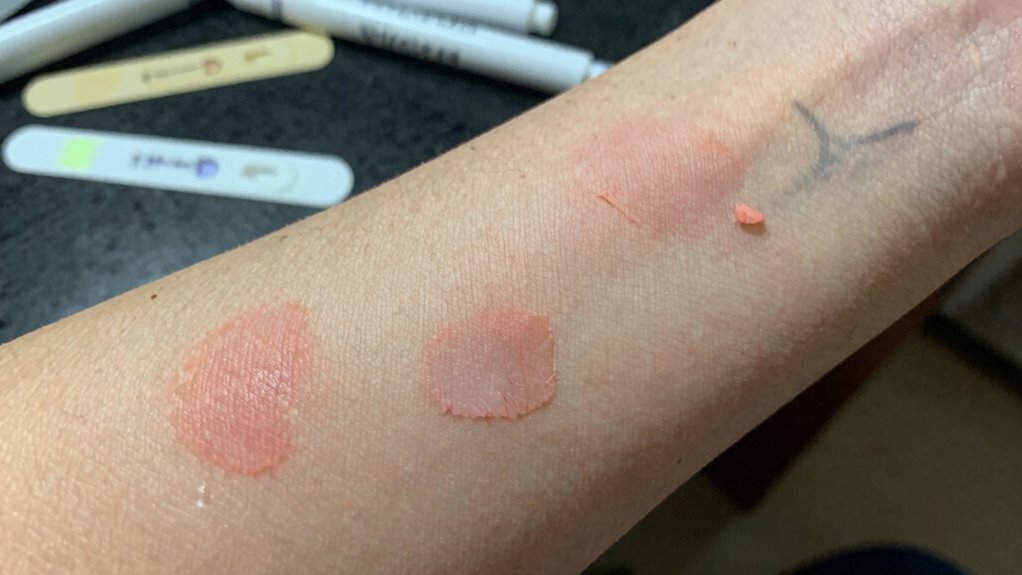
Rushing patch testing can cause it to fail because you might skip important steps like proper skin preparation, which prevents allergens from showing their true reactions. If you remove patches too early or don’t follow the recommended timing, delayed responses can be missed. Handling them improperly, such as scratching or sweating, can also disrupt the results. Patience is key to accurate diagnosis—keep going, and you’ll discover how to guarantee reliable patch testing.

Turn your quiet moments into listening time
- Thousands of audiobooks, podcasts and originals
- Listen on your phone, tablet or Echo — also offline
- Cancel anytime
Key Takeaways
- Inadequate skin preparation can prevent proper allergen contact and lead to false negatives.
- Rushing the timing may cause delayed reactions to be missed or misinterpreted.
- Handling patches improperly can cause contamination or uneven allergen distribution.
- Early removal or insufficient observation time can overlook subtle or late skin responses.
- Skipping essential steps compromises test accuracy, reducing reliable identification of allergies.
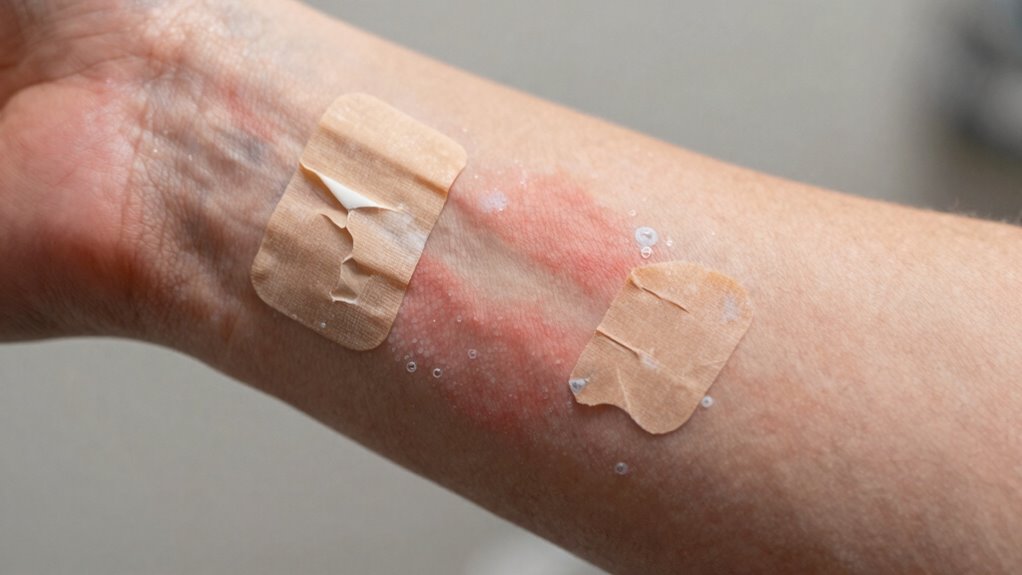
Have you ever wondered why patch testing sometimes fails to identify your allergy? It’s frustrating to go through the process and still walk away without clear answers. One common reason is rushing the patch test preparation. When you skip or rush through the steps, you might not give your skin enough time to respond properly or guarantee the allergens are correctly applied. Proper patch test preparation involves careful cleaning of the skin, selecting the right sites, and allowing sufficient time for the patches to be in place. If you don’t follow these steps meticulously, the test results can be compromised, leading to false negatives or inconclusive outcomes.
Rushing patch test prep can lead to false negatives and unclear allergy results. Patience ensures accuracy.
Another reason patch testing fails when you rush it is because of inadequate timing. The skin needs adequate exposure time for allergens to produce a reaction, which typically takes 48 to 96 hours. If you remove the patches too early or don’t follow the recommended schedule, you risk missing the reaction altogether. This haste can prevent accurate allergy identification, leaving you uncertain about what’s causing your skin issues. Patience during this period is essential. Waiting the full duration ensures that any delayed hypersensitivity reactions have the opportunity to develop, which is key for precise allergy identification. Moreover, understanding the biological response of your skin helps clarify why patience is so crucial in this process. Recognizing the immune system’s role in allergy responses can also emphasize why rushing the timing isn’t advisable.
Additionally, if you’re not careful about how you handle the patches or your skin between visits, you can interfere with the test’s accuracy. For example, excessive sweating, bathing, or scratching can cause the patches to loosen or the allergens to spread unevenly. Rushing through these precautions can distort the results. It’s important to adhere strictly to the instructions provided by your healthcare professional, which often include avoiding certain activities and keeping the area dry. Skipping these steps risks contaminating the test area or causing irritation, both of which can obscure true allergic responses. Using proper handling techniques helps maintain the integrity of the test and ensures reliable results.
Finally, rushing the patch testing process can also mean not giving your body enough time to develop visible reactions, which are often subtle at first. Allergy identification requires patience and careful observation over several days. If you’re impatient and prematurely interpret the results or remove patches early, you might overlook an important reaction. It’s essential to follow the schedule diligently and allow your skin to fully respond before drawing conclusions. This disciplined approach ensures that the patch test results are accurate, helping you find the real culprit behind your skin problems. Recognizing the importance of proper timing and patience is vital for meaningful results.
In essence, rushing patch testing undermines the entire process. Proper patch test preparation, adhering to timelines, and following instructions are critical for reliable allergy identification. Taking your time might seem inconvenient, but it’s the best way to get precise, useful results that can guide effective treatment.
As an affiliate, we earn on qualifying purchases.
Frequently Asked Questions
How Long Should Patch Testing Ideally Take?
You should allow about 48 to 72 hours for patch testing duration, giving enough time for accurate results. The testing process timeline involves initial application, followed by a removal period, then reading the patches at specific intervals—often 48 and 72 hours. Rushing this process can lead to false negatives or missed allergies, so patience guarantees reliable outcomes and proper diagnosis. Don’t rush; proper timing is key to effective patch testing.
Can Patch Testing Be Skipped if Symptoms Are Severe?
Skipping patch testing because symptoms are severe is risky; it’s like ignoring a warning sign on a stormy sky. Instead, you should explore alternative diagnostic methods while prioritizing proper patient preparation. Rushing the process can lead to missed allergens, prolonging your discomfort. Take time for accurate diagnosis, even in urgent cases, to guarantee you get the right treatment. A thorough approach ultimately protects your skin and health better.
Does Patch Testing Work for All Skin Types?
Patch testing works for most skin types, but its effectiveness can vary depending on your skin sensitivity. If you have highly sensitive skin or a history of allergic reactions, the test might not always detect every allergen, or you could experience mild reactions during testing. To get accurate results, it is crucial to follow proper procedures and give your skin adequate time to respond, rather than rushing the process.
What Are Common False Negatives in Patch Testing?
False negatives can occur when patch testing misses allergies, leading to allergy misdiagnosis despite high test sensitivity. You might think you’re allergy-free, but subtle reactions or insufficient allergen exposure cause this confusion. Rushing the test, skipping proper prep, or testing too early after exposure all contribute. These pitfalls hide true sensitivities, making you believe you’re fine when, in reality, an allergy remains undetected.
How Soon Can Reactions Appear After Patch Testing?
Reactions can appear anywhere from 48 to 96 hours after patch testing, depending on the individual and the allergen. Reaction timing is vital for testing accuracy; if you wait too long or check too early, you might miss a delayed response or misinterpret an initial reaction. To guarantee accurate results, it’s important to follow testing protocols carefully and schedule readings at appropriate intervals, typically at 48 and 96 hours.
As an affiliate, we earn on qualifying purchases.
Conclusion
Rushing patch testing is like trying to read a book in a noisy room—you’ll miss important details and get the story wrong. Remember, a study shows that thorough testing reduces false negatives by up to 30%. Take your time; patience guarantees you catch the true allergens, just like taking a quiet moment helps you understand a story fully. In allergy testing, rushing can lead to missed clues and misdiagnoses—so slow down for better results.
As an affiliate, we earn on qualifying purchases.
As an affiliate, we earn on qualifying purchases.
Halloween Picks
halloween
As an affiliate, we earn on qualifying purchases.