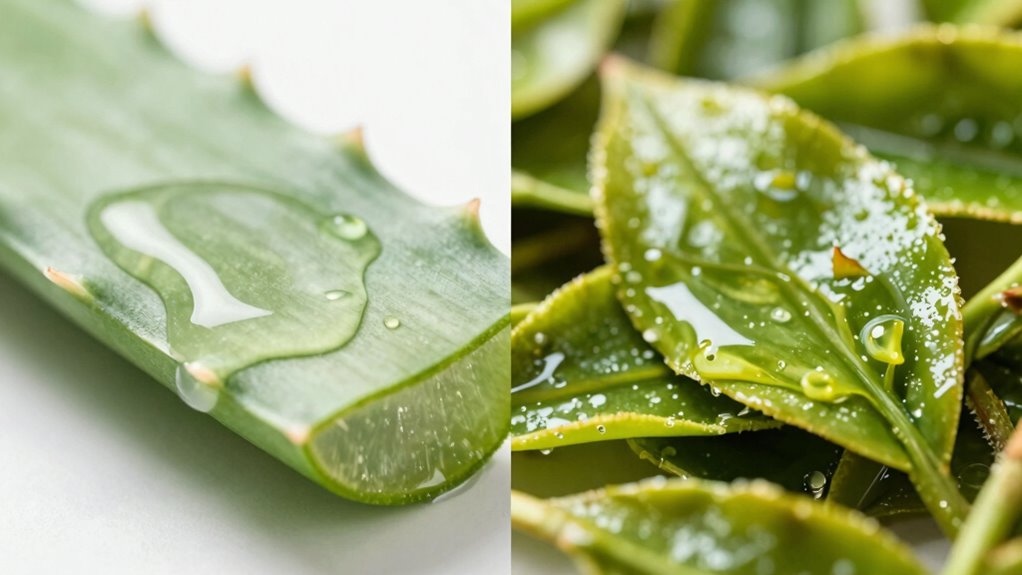

Soothing ingredients like chamomile, aloe vera, and oat extract give your skin immediate comfort by calming redness, irritation, and inflammation while providing hydration. Protective ingredients such as ceramides, fatty acids, and antioxidants work over time to strengthen your skin’s barrier, defending against environmental stressors like pollution and weather. Both types are essential for overall skin health—so understanding how they work together can help you choose the right products for your skin’s needs.
Open a free Amazon Business account
Business pricing, bulk buying and tax-exempt orders.
As an affiliate, we earn on qualifying purchases.
Key Takeaways
- Soothing ingredients provide immediate relief by calming irritation and hydrating the skin, while protective ingredients strengthen the skin’s barrier for long-term defense.
- Soothing ingredients target redness, inflammation, and discomfort, whereas protective ingredients defend against environmental damage like pollution and weather.
- Immediate comfort and hydration are the primary purpose of soothing ingredients; long-term resilience and barrier repair are the goals of protective ingredients.
- Both types contribute to overall skin health but serve different functions; balancing both results in healthier, more resilient skin.
- Recognizing their roles helps in selecting skincare products tailored for soothing irritation or enhancing skin defenses.
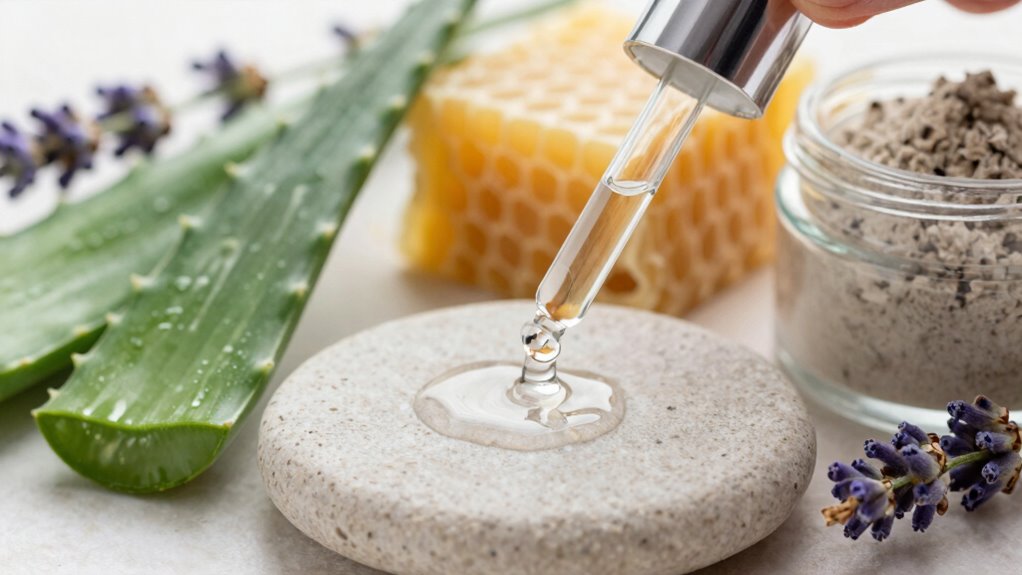
When it comes to skincare, understanding the difference between soothing ingredients and protective ingredients is essential for choosing the right products for your skin. These two types of ingredients serve distinct purposes, even though they both aim to improve your skin’s health and comfort. So, it’s important to recognize how they work and what benefits they offer.
Soothing ingredients primarily focus on calming your skin and reducing discomfort. They’re designed to address issues like redness, irritation, and inflammation. If your skin feels itchy, inflamed, or reacts easily to products or environmental factors, you’ll want ingredients that deliver calming effects. These ingredients often have hydrating vs. calming effects, meaning they not only soothe but also help hydrate your skin, preventing it from becoming dry or flaky. Think of ingredients like chamomile, aloe vera, or oat extract—they help diminish irritation and create a more comfortable, balanced feeling. Their main goal is irritation prevention, making your skin less reactive and more resilient over time. Incorporating biodiversity in ingredient sourcing can also enhance their effectiveness and sustainability.
On the other hand, protective ingredients focus on strengthening your skin’s barrier and defending against external aggressors like pollution, harsh weather, or bacteria. Their primary role is barrier reinforcement vs. irritation prevention. These ingredients build up your skin’s defenses, ensuring that harmful elements don’t penetrate easily and cause damage. Ingredients like ceramides, fatty acids, and antioxidants fall into this category. They help restore the integrity of your skin’s outer layer, which is crucial for maintaining overall skin health. When your barrier is strong, your skin is less likely to become irritated or inflamed from environmental stressors. This makes protective ingredients especially valuable if you have sensitive skin or live in an area with high pollution levels.
While both soothing and protective ingredients contribute to healthier skin, they do so in different ways. Soothing ingredients are more about immediate comfort and calming down inflammation, often with hydrating properties that prevent dryness and irritation. Protective ingredients, however, are about long-term resilience, reinforcing your skin’s defenses to prevent future issues. Ideally, a balanced skincare routine incorporates both types, ensuring your skin is calm, hydrated, and well-protected against everyday environmental stressors. Recognizing these differences helps you select products that truly address your skin’s needs and keep it healthy and comfortable in the long run.
moisturizer with chamomile aloe vera oat extract
As an affiliate, we earn on qualifying purchases.
As an affiliate, we earn on qualifying purchases.
Frequently Asked Questions
Can Ingredients Be Both Soothing and Protective Simultaneously?
Yes, ingredients can be both soothing and protective simultaneously through ingredient synergy and formulation balance. When formulators combine certain ingredients, they enhance each other’s effects, providing comfort while strengthening your skin’s barrier. Look for products that emphasize this balance, as they deliver calming benefits and shield your skin from environmental stressors. This dual action helps maintain healthy, resilient skin, making your skincare routine more effective and well-rounded.
Which Ingredients Are Best for Sensitive Skin?
If you have sensitive skin, look for ingredients like niacinamide, which is renowned for its calming and barrier-repairing effects. In a case study, users reported reduced redness and irritation after regular use, highlighting ingredient efficacy. Comparing ingredients helps you choose gentle, effective options. Niacinamide stands out because it soothes while strengthening your skin’s protective barrier, making it ideal for sensitive skin types seeking comfort and resilience.
How Do I Identify if an Ingredient Is Soothing or Protective?
You can identify if an ingredient is soothing or protective by checking its role in the formulation. Soothing ingredients, like aloe or chamomile, calm irritated skin, while protective ingredients, such as antioxidants or ceramides, strengthen the skin barrier. Look for ingredient synergy—how well ingredients work together—and formulation stability, which guarantees the ingredients retain their effectiveness. Reading product labels and trusted sources helps you make informed choices for your skin’s needs.
Are Synthetic Ingredients Effective as Soothing or Protective Agents?
You might find it surprising, but synthetic ingredients can be quite effective as soothing or protective agents. Thanks to advanced synthetic formulations, these ingredients often boast high stability and consistent potency, ensuring they deliver reliable benefits. While natural ingredients have their charm, synthetics can be engineered to target specific skin concerns effectively, making them a valuable choice in skincare. So, don’t overlook synthetic options—they can provide powerful, long-lasting protection and soothing effects.
Do All Natural Ingredients Serve Both Purposes Equally?
Not all natural ingredients serve both soothing and protective purposes equally. Natural vs synthetic ingredients vary in effectiveness and ingredient sustainability, meaning some natural options may be better suited for specific needs. While certain natural ingredients excel at calming skin, others provide robust protection. It’s essential to choose ingredients based on their properties and sustainability, ensuring your skincare is both effective and eco-friendly. Don’t assume all natural ingredients perform equally; research each for your skin’s needs.
As an affiliate, we earn on qualifying purchases.
Conclusion
So, now you see it—soothing ingredients are like gentle rain calming a storm, while protective ingredients are the fortress walls shielding your skin from invaders. Think of your skincare routine as a battle—soothing is the soothing lullaby that keeps irritation at bay, and protection is the armor that deflects harsh elements. When you master both, your skin becomes an unbreakable fortress, standing tall through every storm and sunshine life throws your way!
antioxidant face serum for skin protection
As an affiliate, we earn on qualifying purchases.
As an affiliate, we earn on qualifying purchases.
As an affiliate, we earn on qualifying purchases.
Fall Picks
fall essentials
As an affiliate, we earn on qualifying purchases.