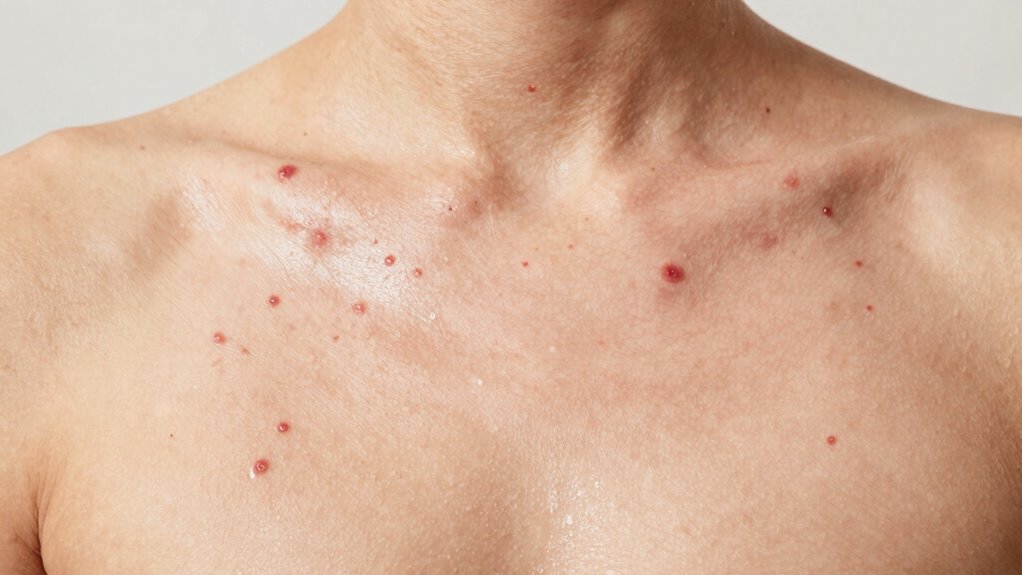

Many people overlook how their hygiene habits can cause body breakouts. Overwashing or using harsh products can irritate your skin and clog pores, while underwashing lets sweat, dirt, and bacteria build up. Touching your body with dirty hands or sharing towels spreads bacteria that lead to pimples. Wearing tight clothes and not cleaning bedding regularly also contribute. Keep your routine balanced and consistent; sticking with proper tips can help you achieve clearer skin. Explore these hidden causes to improve your skin health.
Key Takeaways
- Over-washing or using harsh products can damage the skin barrier, leading to increased breakouts.
- Dirty hands transfer bacteria and dirt to the face and body, promoting pore clogging.
- Reusing damp towels and harsh detergents harbor bacteria that cause skin irritation and pimples.
- Tight clothing and dirty bedding trap sweat, oils, and bacteria, worsening body breakouts.
- Using heavy, greasy lotions or incorrect cleansing routines can clog pores and trigger breakouts.
Are You Making These Common Hygiene Mistakes That Cause Body Breakouts?
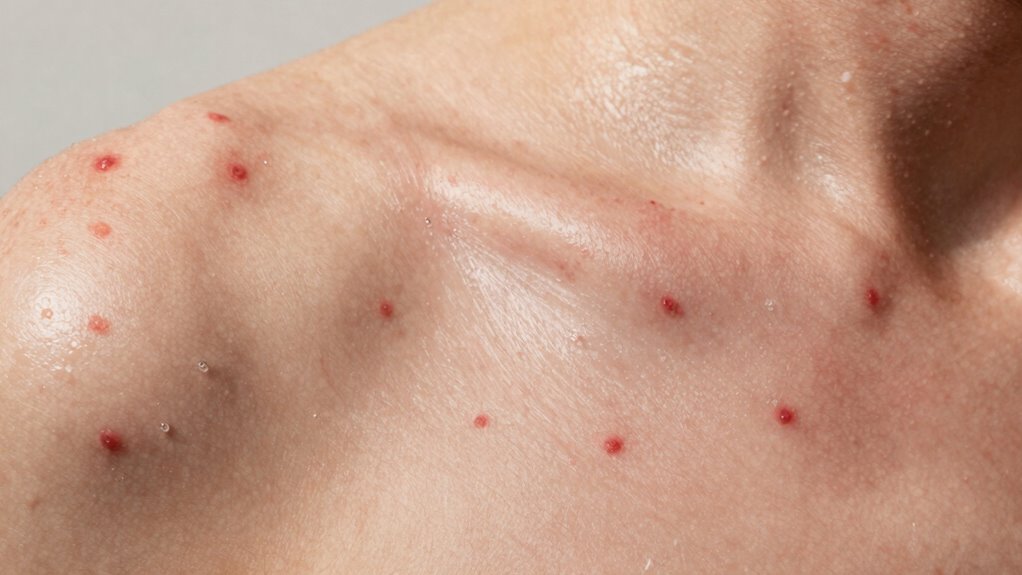
Many people unknowingly worsen their body breakouts by making simple hygiene mistakes. One common mistake is believing hygiene myths that lead to over-washing or using harsh products, which can irritate your skin instead of helping. For effective pimple prevention, it’s essential to wash your body gently and consistently without stripping away natural oils. Many think that scrubbing aggressively or using strong cleansers clears breakouts faster, but this can backfire. Instead, stick to a mild, non-comedogenic soap and avoid excessive scrubbing. Proper hygiene isn’t about overdoing it; it’s about maintaining a balanced routine. Recognizing these hygiene myths helps you avoid common pitfalls that cause body breakouts, ensuring your skin stays clean, healthy, and pimple-free. Additionally, understanding the importance of proper drying techniques can prevent excess moisture that promotes breakouts. Paying attention to skin type can further help tailor your hygiene routine to prevent irritation and breakouts.
Can Overwashing or Underwashing Your Skin Lead to Pimples?
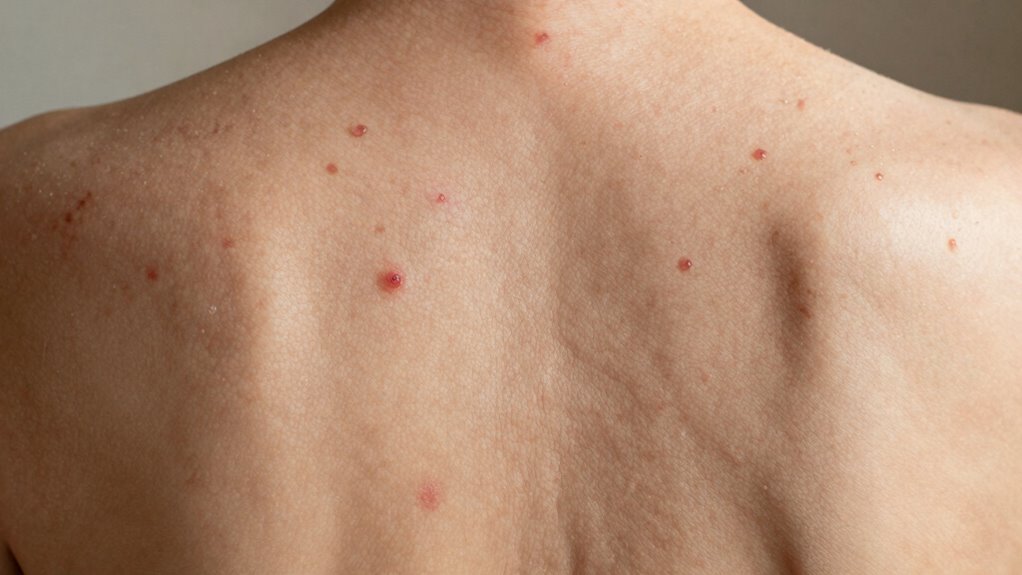
Overwashing or underwashing your skin can both lead to pimples, but understanding how each affects your skin is key. When you wash too often, you strip away natural oils, disrupting your skin’s oil control and throwing off your pH balance. This can cause your skin to produce even more oil to compensate, leading to clogged pores and breakouts. On the other hand, not washing enough allows dirt, sweat, and bacteria to accumulate, also upsetting your skin’s pH balance and providing a breeding ground for pimples. Finding a balance is essential; use a gentle cleanser suited for your skin type to maintain proper oil control and keep your skin’s pH in check. Proper washing habits help prevent pimples and support overall skin health. Incorporating efficient filtration into your skincare routine might seem unrelated, but just as sustainable technology supports optimal performance, maintaining balanced skin habits ensures healthy skin function. Additionally, understanding skin microbiome balance can be crucial in preventing breakouts and maintaining overall skin health.
How Sweat, Clothes, and Bedding Contribute to Breakouts

Sweat, tight clothes, and bedding can all contribute to breakouts by trapping dirt, bacteria, and excess oil against your skin. Poor sweat management causes sweat to sit on your skin longer, increasing the risk of clogging pores. Wearing tight clothes restricts airflow and rubs against your skin, spreading bacteria and oil. Bedding hygiene is vital because sweat, oils, and dead skin cells collect on sheets and pillowcases, creating a breeding ground for bacteria. If you don’t wash your bedding regularly, these impurities can transfer back to your skin, worsening breakouts. To minimize this, opt for loose, breathable clothing and wash your bedding at least once a week. Proper sweat management and bedding hygiene are essential steps to keep your skin clear and prevent those unwanted pimples. Maintaining good hygiene habits can significantly reduce the risk of skin issues caused by these factors. Additionally, using appropriate skincare products that help control oil and bacteria can further improve skin health, especially when combined with consistent cleansing routines and good hygiene practices.
Are Your Shower Products Worsening Your Skin? How to Choose the Right Ones
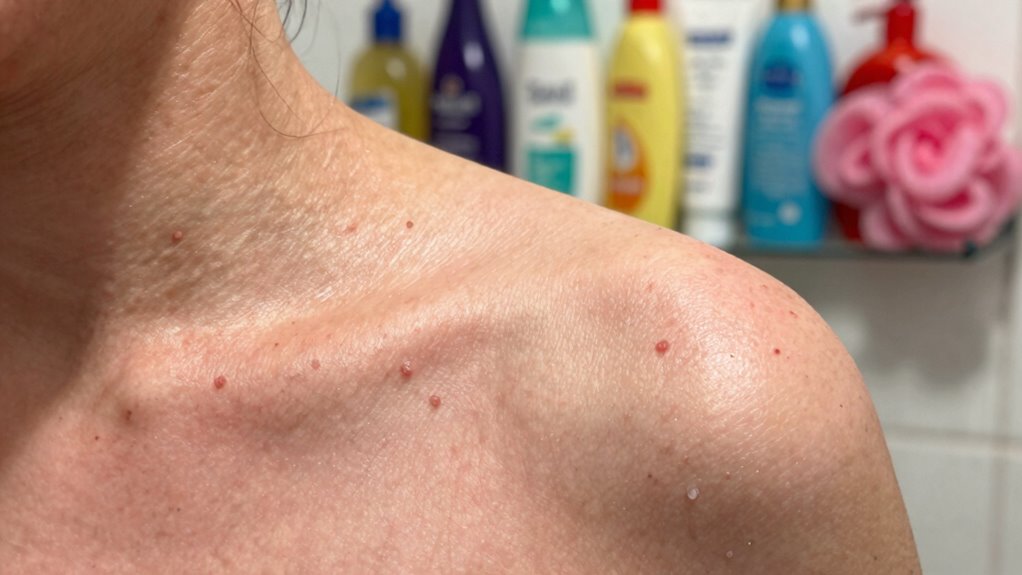
Your choice of shower products can considerably impact your skin’s health, especially if you’re prone to breakouts. Using the wrong shower gel can strip your skin’s natural oils or contain harsh ingredients that irritate or clog pores. Look for gentle, sulfate-free options with soothing ingredients like ceramides or aloe. After showering, avoid heavy, greasy body lotions that can trap sweat and bacteria, worsening breakouts. Instead, choose lightweight, non-comedogenic body lotions that hydrate without clogging pores. Always read labels carefully, steering clear of fragrances and alcohols that can irritate sensitive skin. Proper product selection can help maintain a clear, healthy complexion and minimize the risk of body breakouts caused by unsuitable shower gels or lotions. By selecting products suited to your skin type, you help maintain a clear, healthy complexion and minimize the risk of body breakouts caused by unsuitable shower gels or lotions. Additionally, understanding skin-friendly ingredients can empower you to make better choices when selecting your shower products. Using appropriate cleansing routines tailored to your skin type further supports skin health and reduces irritation. Incorporating hydrating products with gentle formulas can also prevent dryness and irritation that may lead to breakouts.
Proper Drying and Moisturizing Habits for Clearer Skin
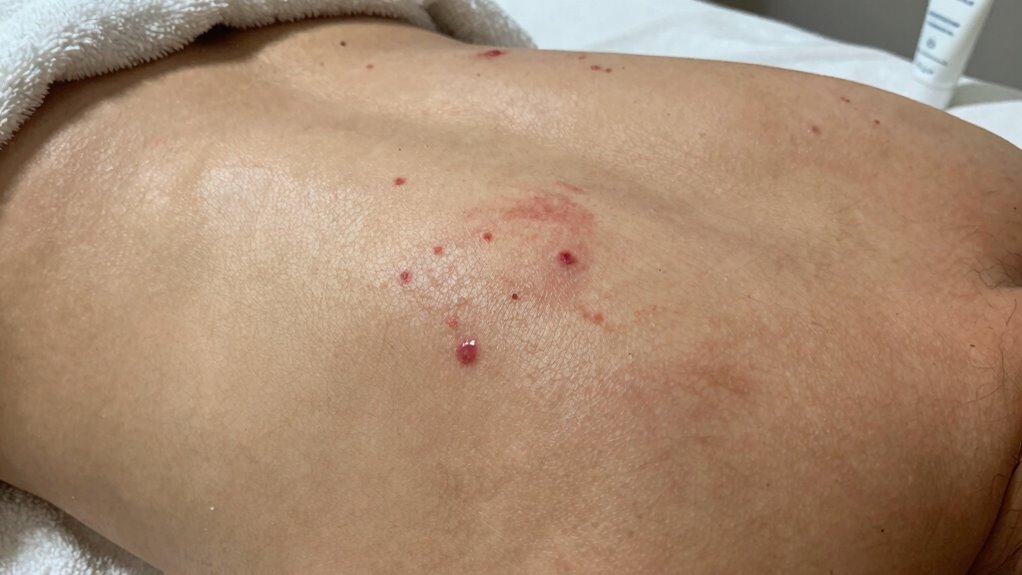
To promote clearer skin, proper drying of your body after bathing and applying moisturizer correctly are essential. After drying with a soft towel, gently pat your skin instead of rubbing to prevent irritation. Choosing the right moisturizer is key; opt for products labeled as non-comedogenic and suitable for your skin type to enhance skin hydration without clogging pores. Proper application involves smoothing moisturizer evenly over damp skin to lock in moisture, promoting a healthy barrier. Use the table below to guide your moisturizer selection:
| Skin Type | Recommended Moisturizer |
|---|---|
| Oily | Gel-based, oil-free |
| Dry | Creams with hyaluronic acid |
| Sensitive | Fragrance-free, gentle formulas |
| Acne-prone | Non-comedogenic, lightweight lotions |
| Normal | Regular lotions, balanced hydration |
Additionally, paying attention to skincare routines that support your skin’s natural barrier can help maintain clearer skin over time.
Does Touching Your Body With Dirty Hands Cause Breakouts?
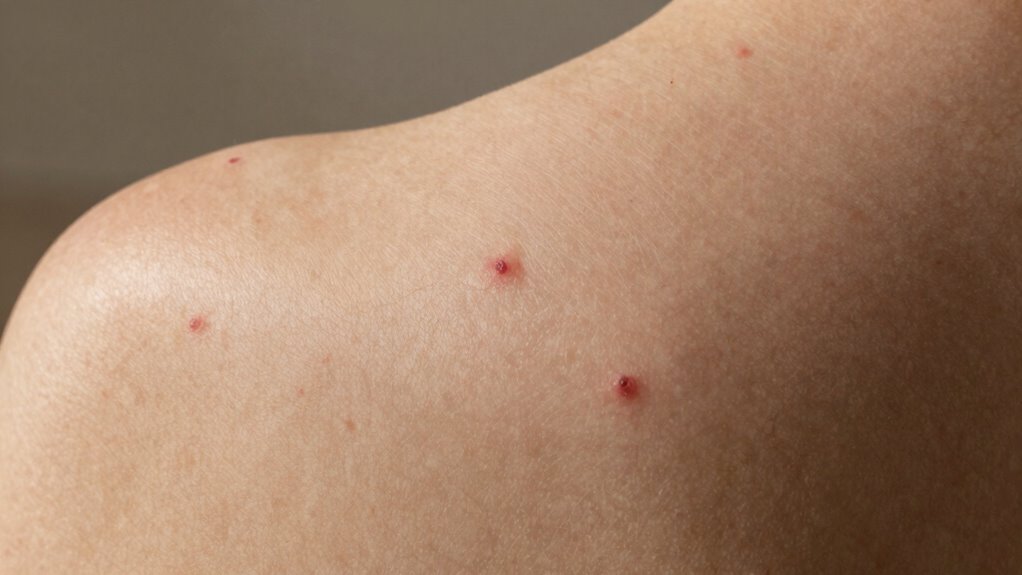
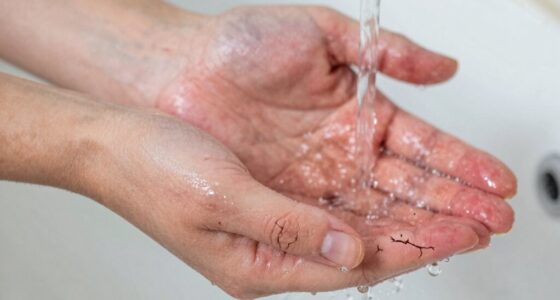
Touching your skin with dirty hands can transfer bacteria and oils that clog pores and cause breakouts. Keeping your hands clean is essential to protect your skin’s barrier and prevent irritation. Are you aware of how much bacteria your hands carry and how it impacts your skin? Regularly sanitizing your hands can significantly reduce the risk of contamination and skin issues. Additionally, understanding natural skin defenses can help you better maintain healthy skin. Proper hand hygiene also supports overall skin health and reduces the likelihood of infections that can worsen skin conditions. Being mindful of hygiene practices is crucial for maintaining clear, healthy skin. Developing good hygiene habits can further minimize dirt and bacteria transfer to your skin throughout the day.
Bacteria Transfer Risks
While it might seem harmless, using dirty hands to touch your face or other areas of your body can considerably increase the risk of breakouts. Bacterial contamination from unwashed hands transfers bacteria directly onto your skin, clogging pores and causing inflammation. Poor hygiene practices amplify this risk, making it easier for bacteria to thrive and trigger acne. To visualize, consider the following:
| Action | Result |
|---|---|
| Touching face with dirty hands | Bacteria transfer leads to clogged pores |
| Not washing hands regularly | Increased bacterial contamination on skin |
| Ignoring hand hygiene | Higher risk of bacterial buildup and breakouts |
| Using contaminated objects | Bacteria transfer from surfaces to skin |
| Sharing towels or linens | Cross-contamination spreads bacteria |
Maintaining good hygiene practices is essential for reducing bacteria transfer risks and preventing breakouts. Regular handwashing with soap and water is a key step in preventing bacterial transfer, which helps maintain clearer skin. Additionally, using proper sanitation techniques for objects that come in contact with your skin can further decrease bacterial spread. Keeping your piercing jewelry clean and avoiding touching your piercings with dirty hands can also help prevent infections around sensitive areas. Incorporating consistent hygiene routines into your daily habits can significantly lower the chances of bacteria buildup and skin issues. Furthermore, understanding the importance of toilet hygiene and how it relates to overall skin health can be beneficial in maintaining a clear complexion.
Hand Hygiene Importance
Maintaining proper hand hygiene is key to preventing breakouts caused by bacteria transfer. Your hands come into contact with many surfaces, picking up dirt and bacteria that can transfer to your skin. Regular hand washing with soap and water effectively removes germs, reducing the risk of clogged pores and breakouts. When soap isn’t available, sanitizer use with at least 60% alcohol helps disinfect your hands quickly. Remember to avoid touching your face or body with unclean hands, especially on acne-prone areas. Being mindful of hygiene eliminates bacteria buildup that can aggravate existing breakouts or cause new ones. Consistent hand hygiene creates a barrier against harmful bacteria and keeps your skin clearer.
- Wash hands thoroughly with soap and water
- Use sanitizer with at least 60% alcohol
- Avoid touching your face with dirty hands
- Disinfect frequently-touched surfaces
- Keep nails trimmed and clean
Skin Barrier Disruption
When you touch your face or body with dirty hands, you risk disrupting your skin’s protective barrier. This barrier relies on a balanced skin pH to stay intact, preventing bacteria and irritants from penetrating. When dirt and germs transfer onto your skin, they can throw off this pH balance, weakening the barrier and making your skin more vulnerable to breakouts. Disrupted skin barrier repair becomes more difficult, leading to increased irritation, inflammation, and clogged pores. Over time, repeated barrier damage can cause persistent skin issues. To protect your skin’s health, always wash your hands before touching your face or body. Maintaining a healthy skin pH and supporting barrier repair helps keep your skin resilient, reducing the likelihood of breakouts caused by external contamination. Recognizing the importance of skin barrier health can help you adopt better skincare habits and prevent common skin problems.
How Your Laundry and Towel Habits Might Be Causing Acne

Your laundry and towel habits can considerably impact your skin, especially when it comes to acne. Using harsh laundry detergents can leave residue on clothing and towels, clogging pores and causing breakouts. Towel frequency matters too; reusing damp towels promotes bacteria growth, which transfers to your skin. Dirty towels trap sweat, oils, and dead skin cells, creating an ideal environment for acne-causing bacteria. Not rinsing laundry thoroughly can leave residue behind, irritating your skin further. To minimize breakouts, opt for gentle detergents and wash towels regularly—ideally after 2-3 uses. Proper laundry practices reduce bacteria buildup and keep your skin clearer. Small changes in how you handle your laundry and towels can markedly improve your skin’s health and prevent body breakouts.
Simple Hygiene Tips to Prevent Body Breakouts and Keep Your Skin Clear
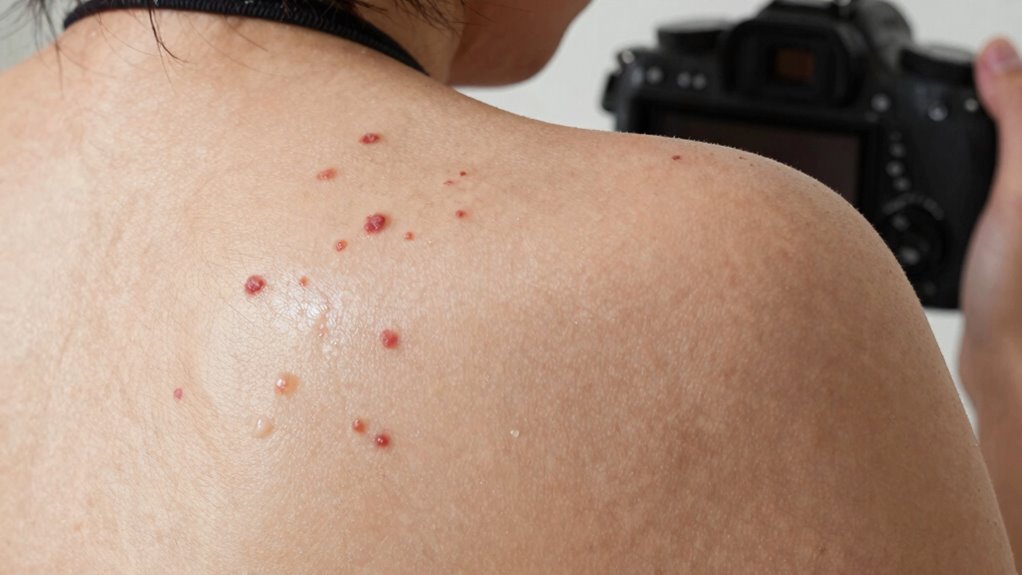
Simple hygiene practices are essential for preventing body breakouts and keeping your skin clear. To control oil and reduce clogged pores, wash your skin twice daily with a gentle, non-comedogenic cleanser. Incorporate exfoliation routines 2-3 times a week to remove dead skin cells that can trap oil and dirt. Use a soft scrub or chemical exfoliant to avoid irritation. Always pat your skin dry and avoid harsh scrubbing, as this can worsen breakouts. Wear breathable clothing and shower promptly after sweating to prevent bacteria buildup. Keep your towels and bedding clean to prevent reintroducing bacteria. Staying consistent with these simple tips helps maintain oil control, promotes skin renewal, and reduces the likelihood of body breakouts.
Frequently Asked Questions
Can Diet Influence Body Breakouts Besides Hygiene Habits?
Yes, your diet can influence body breakouts beyond hygiene habits. High sugar intake can trigger acne by increasing inflammation and oil production, which clogs pores. A diet rich in processed foods and dairy may also worsen skin issues for some people. To improve your skin, focus on a balanced diet with plenty of fruits, vegetables, and lean proteins, and cut back on sugar to help reduce breakouts and promote healthier skin.
Do Specific Fabrics in Clothing Cause More Pimples?
Yes, specific fabrics in clothing can cause more pimples if you have fabric sensitivity. Tight or rough clothing made from materials like polyester or nylon traps sweat and bacteria against your skin, leading to breakouts. Choose breathable, natural fabrics like cotton or linen to reduce irritation. Your clothing choices directly impact your skin health, so opting comfortable, loose-fitting clothes can help prevent pimples and keep your skin clearer.
How Does Stress Affect Body Acne Development?
Did you know that high stress levels can increase body acne by 20%? When you’re stressed, your cortisol levels spike, triggering excess oil production that clogs pores and causes breakouts. To prevent this, prioritize stress management techniques like meditation or exercise. Managing your stress helps regulate cortisol, reducing oil buildup and keeping your skin clearer. So, taking care of your mental health directly benefits your skin’s health and appearance.
Are There Natural Remedies Effective Against Body Breakouts?
Yes, herbal remedies and essential oils can help combat body breakouts. You might try tea tree oil for its antibacterial properties, or diluted lavender oil to soothe inflamed skin. Incorporate herbal teas like chamomile or green tea into your routine for their anti-inflammatory benefits. Remember, always patch-test new remedies, and use them sparingly to avoid irritation. Consistency is key, and combining these natural options can support clearer skin over time.
Is There a Link Between Hormone Levels and Hygiene-Related Pimples?
Yes, hormone levels can directly impact hygiene-related pimples. When hormonal fluctuations occur, your skin produces more oil, leading to increased skin inflammation and clogged pores. This can cause breakouts even if you maintain good hygiene. To reduce pimples, focus on balancing hormones through proper skincare, a healthy diet, and managing stress. Staying consistent with gentle cleansing helps prevent excess oil buildup and minimizes skin inflammation.
Conclusion
Think of your skin as a garden—you need to tend to it carefully, removing weeds like dirt and bacteria, but not overdoing it so you don’t harm the delicate plants. When you overlook proper hygiene, tiny weeds can take root, causing breakouts. Keep your routines balanced and gentle, like watering your garden just right. With consistent care, your skin can flourish, free from the weeds of breakouts, revealing a clear, healthy bloom.