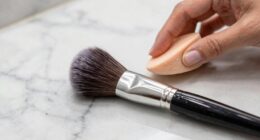
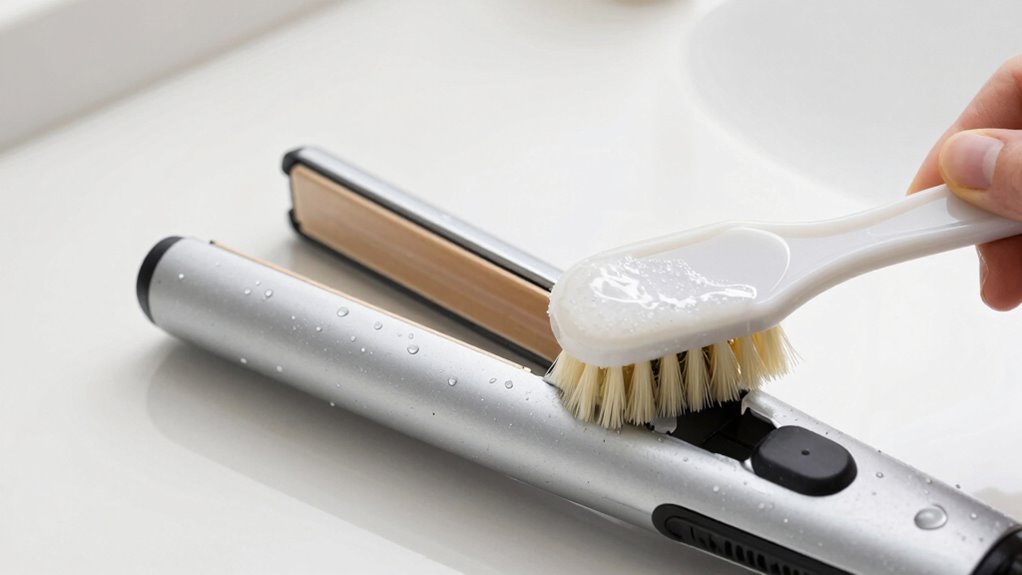
To prevent scalp breakouts, you should regularly clean your hair tools by removing hair and debris, soaking them in warm, soapy water, then scrubbing with a brush to loosen dirt. Disinfect with alcohol or a disinfectant spray, rinse thoroughly, and dry completely before use. Store tools in clean, dry places, especially when traveling. Proper cleaning and storage help prevent bacteria buildup and scalp irritation. Continue with these steps to keep your scalp healthy and breakout-free.

Turn your quiet moments into listening time
- Thousands of audiobooks, podcasts and originals
- Listen on your phone, tablet or Echo — also offline
- Cancel anytime
Key Takeaways
- Regularly clean hair tools by removing hair, soaking in warm soapy water, and scrubbing to eliminate dirt and debris.
- Disinfect tools with approved solutions like rubbing alcohol, ensuring bacteria and fungi are eliminated.
- Dry tools completely before use to prevent moisture buildup and mold growth.
- Store tools in clean, dry containers and avoid sharing to prevent cross-contamination.
- Clean and disinfect tools frequently during travel and daily use to maintain hygiene and prevent scalp breakouts.
As an affiliate, we earn on qualifying purchases.
Are Your Hair Tools Causing Breakouts? Here’s Why and How to Fix It
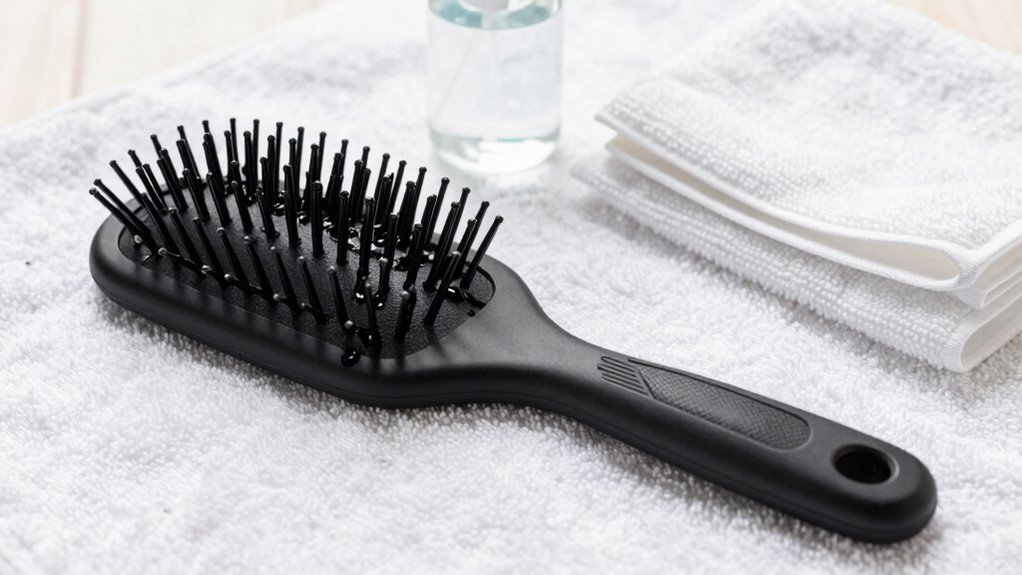
If you notice breakouts along your hairline or forehead, your hair tools might be to blame. Scalp breakouts often result from bacteria buildup on brushes, combs, or styling tools that aren’t cleaned regularly. When you use unclean tools, dirt, oil, and dead skin cells transfer to your scalp, clogging pores and causing inflammation. Over time, this bacteria buildup can lead to persistent scalp issues and visible breakouts. Using dirty tools also spreads bacteria, increasing the risk of infections. It’s essential to inspect your hair tools frequently and clean them properly to prevent this. Keeping your tools sanitized reduces bacteria buildup and minimizes the chances of scalp breakouts, helping you maintain healthier skin and a clearer hairline.
As an affiliate, we earn on qualifying purchases.
Why Clean Hair Tools Is Essential for Scalp Health
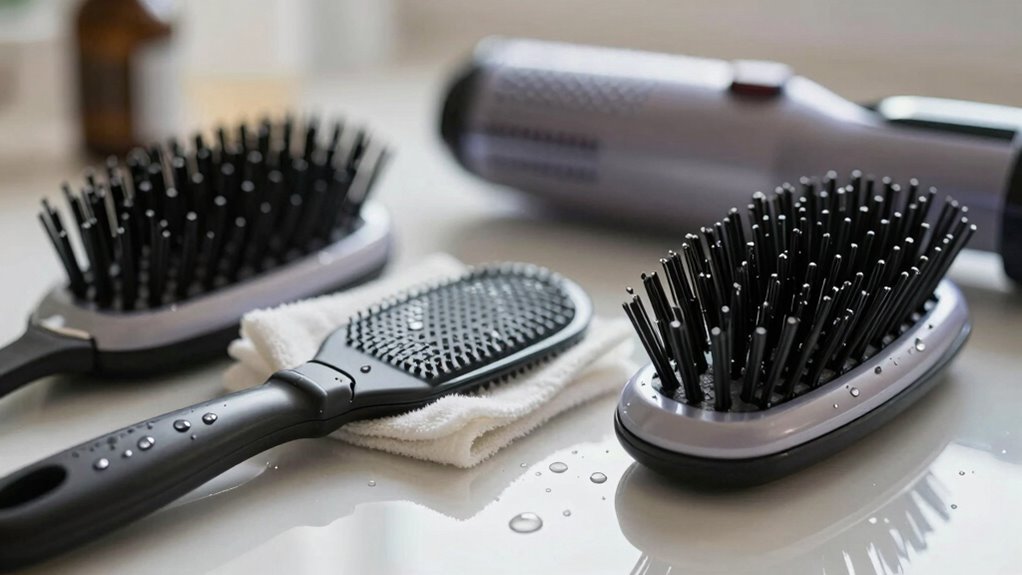
Neglecting to clean your hair tools can directly threaten your scalp’s health, leading to persistent issues that are often overlooked. When you skip regular cleaning, dirt, oil, and leftover product buildup accumulate on brushes and combs. This buildup can transfer back onto your scalp, causing irritation and inflammation. Over time, product residue clogs hair follicles, increasing the risk of scalp irritation and breakouts. Dirty tools also harbor bacteria and fungi, which can worsen scalp conditions. By keeping your hair tools clean, you reduce the risk of these problems and promote healthier scalp conditions. Regular cleaning removes debris and prevents the transfer of unwanted residues, ensuring your scalp stays clear, balanced, and free from irritation caused by dirty tools.
As an affiliate, we earn on qualifying purchases.
How to Properly Clean Your Hair Brushes and Combs
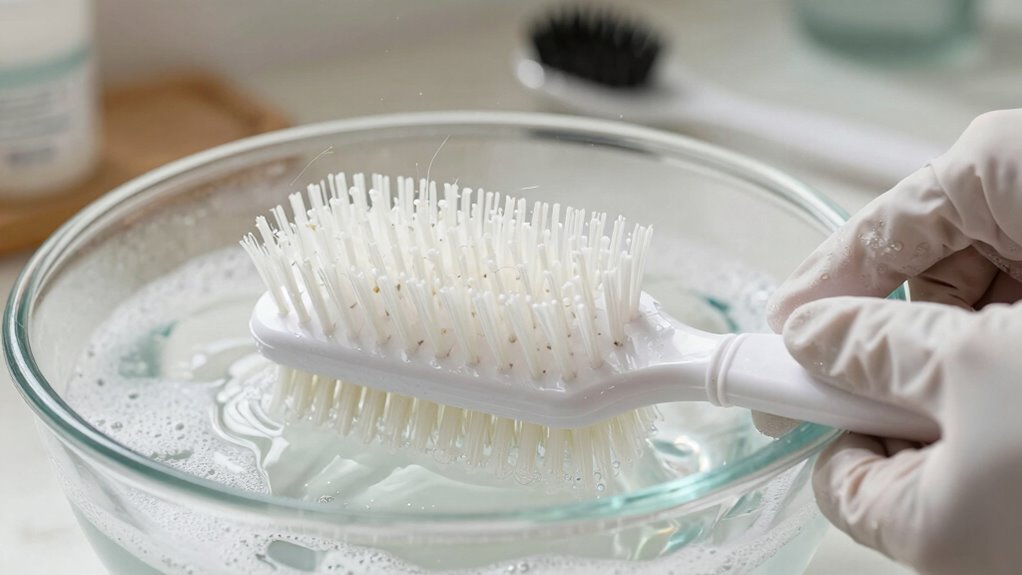
To keep your brushes and combs clean, start by removing any hair and loose debris. Next, disinfect them thoroughly with warm water and a gentle cleaning solution to kill bacteria and germs. Regularly repeating these steps helps maintain scalp health and prolongs the life of your hair tools. Additionally, avoid sharing your hair tools and keep them stored in a clean, dry place to prevent contamination risks. Incorporating proper cleaning techniques into your routine can further enhance hygiene and reduce the chance of scalp breakouts.
Removing Hair and Debris
Have you ever wondered how to keep your hair tools hygienic and free of buildup? Removing hair and debris is essential to prevent scalp breakouts and maintain hygiene. Hair residue and dust buildup can accumulate quickly, making brushes and combs less effective and unhygienic. To do it right:
- Use your fingers or a comb to gently lift and remove hair strands stuck in the bristles or teeth.
- Soak your tools in warm, soapy water for 10-15 minutes to loosen dirt and dust.
- Use a small brush or toothbrush to scrub away any stubborn debris, ensuring all residue is cleared.
Regularly removing hair and debris keeps your tools clean, reduces bacteria, and prolongs their lifespan. Consistent maintenance is key to healthy hair and scalp.
Disinfecting Effectively
Disinfecting your hair brushes and combs is essential to eliminate bacteria, germs, and product buildup that can cause scalp irritation or breakouts. To do this effectively, use proper sterilization techniques such as soaking tools in a mixture of warm water and surface disinfectants approved for cosmetic tools. This process helps kill microbes lurking on your hair tools. After soaking, scrub thoroughly with an old toothbrush to remove residue. Rinse well and allow your tools to air dry completely before use. For quick cleaning, disinfectants like rubbing alcohol or specialized spray disinfectants can be applied directly to brushes and combs. Regular disinfection prevents bacterial growth and ensures your hair tools stay hygienic, reducing the risk of scalp issues. Proper sterilization methods are crucial for maintaining a safe and clean grooming routine. Incorporating antimicrobial cleaning techniques can further enhance the effectiveness of your hygiene routine, especially when combined with natural cleaning solutions that are gentle yet effective. Additionally, choosing appropriate body jewelry materials for your piercings can help prevent irritation and infections. Moreover, understanding the hygiene importance of reducing screen time can help foster better habits that support overall scalp and skin health.
As an affiliate, we earn on qualifying purchases.
How Often Should You Clean Different Hair Tools?
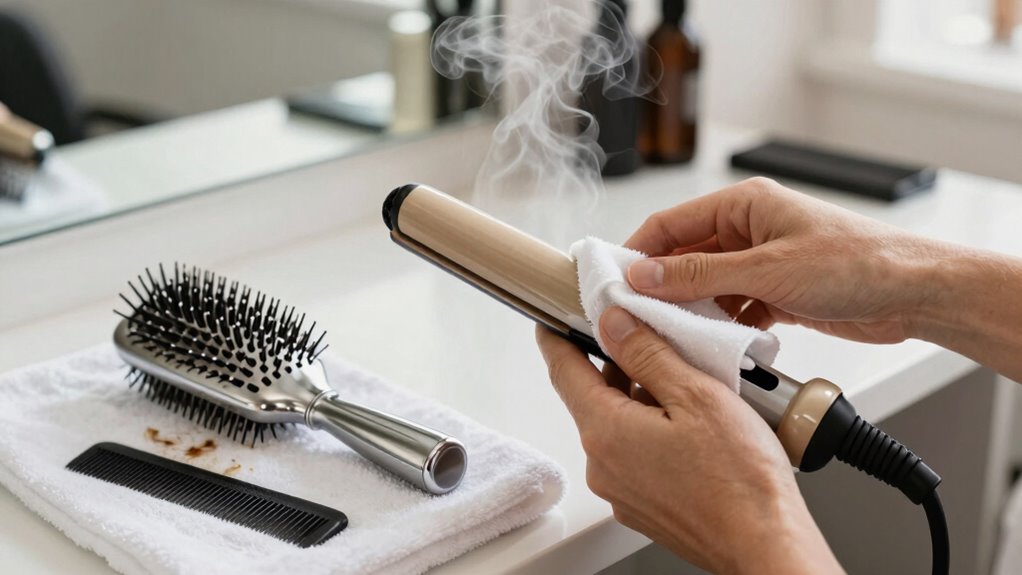
Ever wondered how often you should clean your hair tools? Maintaining proper cleaning schedules helps prevent scalp breakouts and keeps your tools hygienic. The frequency recommendations depend on the type of tool and how often you use it. Regular cleaning is especially important for tools like combs and brushes, which can harbor bacteria if neglected. Proper maintenance also involves understanding the hygiene practices associated with hair care tools to ensure optimal scalp health. Incorporating proper cleaning techniques can further reduce contamination risks and promote healthier hair. Additionally, using tools made from washable materials can facilitate more effective cleaning and maintenance. Choosing appropriate storage methods can prevent dust and bacteria buildup between uses. Sticking to these cleaning schedules ensures your hair tools stay hygienic, reducing the risk of scalp issues and extending their lifespan. Regular maintenance promotes healthier hair and scalp.
Tips for Keeping Hair Tools Clean When You’re on the Go
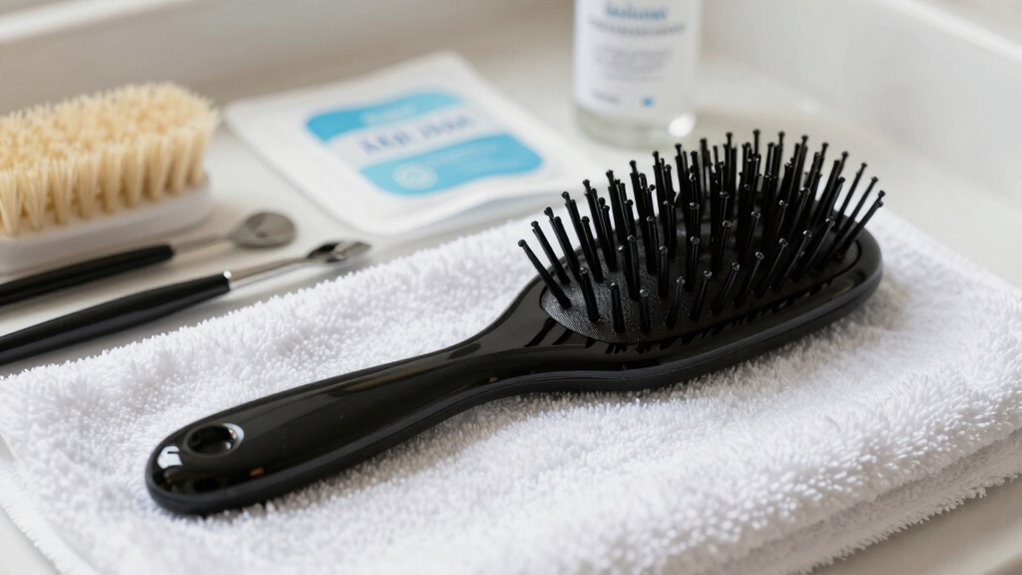
When you’re on the go, keeping your hair tools clean is essential. Make sure to pack cleaning supplies, wipe down your tools regularly, and store them in clean containers. These simple steps help prevent germs and keep your tools ready for use anytime. Using antimicrobial technology in your cleaning routine can further reduce odor-causing bacteria and maintain tool hygiene. Incorporating proper electric device safety practices, such as avoiding moisture buildup, also helps ensure your tools remain safe and functional during travel. Additionally, understanding hygiene best practices can help you develop a routine that minimizes the risk of scalp breakouts. Practicing good media literacy by verifying product claims can also ensure you’re using effective cleaning methods. Being aware of filtration and airflow concepts can help you choose the most effective cleaning products for your tools.
Pack Cleaning Supplies Properly
To keep your hair tools clean while you’re on the go, it is essential to pack your cleaning supplies properly. Use reliable travel essentials to guarantee your tools stay hygienic and ready for use. Invest in storage solutions like a compact toiletry bag or dedicated pouches to organize your supplies and prevent spills. Incorporating disinfectant sprays or wipes that contain antimicrobial properties can further enhance hygiene by effectively reducing bacteria on your tools. These hygienic practices are vital for preventing the transfer of bacteria and maintaining scalp health. Proper packing prevents contamination and guarantees your hair tools remain hygienic, reducing the risk of scalp breakouts during travel. Additionally, understanding the importance of antimicrobial effects can help you select the most effective disinfectants for your needs. Using quality disinfectants approved for personal care tools ensures you are using safe and effective products. Regularly cleaning your tools also aligns with best practices from sauna and cold-plunge maintenance, emphasizing the importance of hygiene in personal care routines. Here are three key items to include: 1. Small disinfectant spray or wipes to quickly sanitize tools between uses. 2. Travel-sized brush cleaner or gentle soap for thorough cleaning. 3. Microfiber cloth or disposable wipes for wiping down tools and removing residue. Proper packing prevents contamination and guarantees your hair tools remain hygienic, reducing the risk of scalp breakouts during travel.
Wipe Tools Regularly
How often you wipe down your hair tools can make a big difference in maintaining hygiene on the go. Regularly wiping your tools helps prevent the buildup of dirt, oils, and product residue that can lead to scalp breakouts. Incorporate quick hygiene routines into your daily schedule, especially if you switch between different hair types or styles. Carry disinfectant wipes or a small cleaning cloth in your bag for easy maintenance. This simple practice supports overall hair tool maintenance and reduces bacteria transfer. Staying consistent with these hygiene routines ensures your tools stay clean and safe to use, no matter where you are. Drone insights can also help you optimize your routine by providing tips on portable cleaning solutions. By making wiping your tools a habit, you help protect your scalp and keep your hair healthy. Additionally, understanding connected equipment can help you integrate smart cleaning solutions that automatically maintain hygiene standards.
Store in Clean Containers
Carrying your hair tools in clean, dedicated containers prevents dirt, dust, and bacteria from collecting on your tools while you’re on the go. Proper storage solutions keep your tools hygienic and ready for use. To maintain container hygiene:
- Regularly clean your containers with soap and disinfectant to prevent bacteria buildup.
- Use breathable or vented containers to reduce moisture and mold growth.
- Replace containers periodically to avoid wear and tear that can harbor germs.
Avoid These Common Mistakes That Can Make Hair Tools Dirty
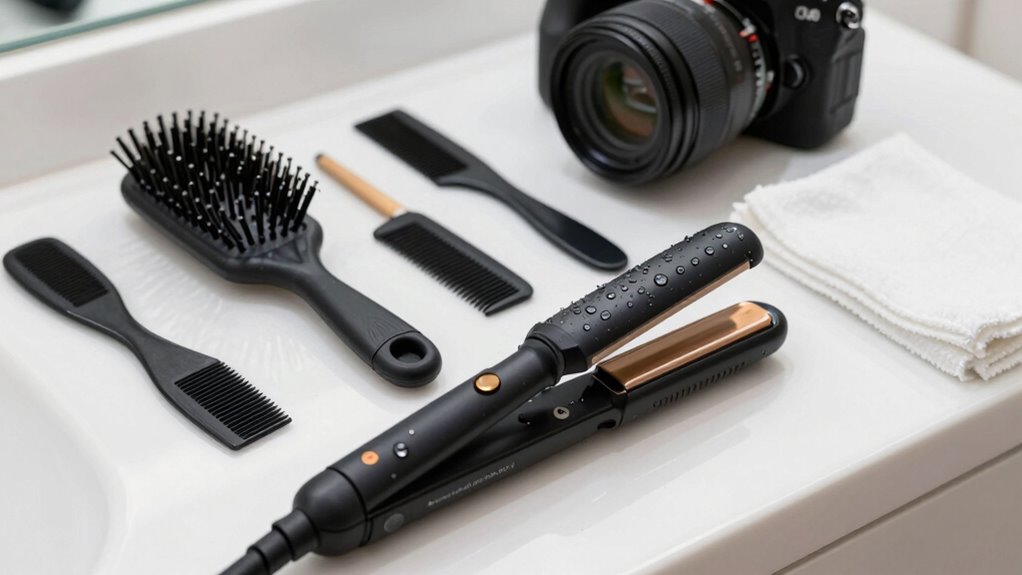
Many people unknowingly make their hair tools dirty by skipping simple but important habits. One common mistake is ignoring proper cleaning, which leads to product buildup on brushes, combs, and styling tools. This buildup can harbor bacteria and oils, contributing to scalp issues. Another mistake is improper storage; leaving tools in damp or cluttered areas encourages mold and bacteria growth. Avoid tossing your tools into drawers or leaving them exposed to dust and moisture. Regularly cleaning and drying your tools prevents grime accumulation. Store them in clean, dry containers or designated holders to keep them germ-free. By paying attention to cleaning routines and storage methods, you reduce the risk of dirt, product residue, and bacteria making your hair tools dirty and potentially causing scalp breakouts.
Frequently Asked Questions
Can Dirty Hair Tools Cause Scalp Infections?
Yes, dirty hair tools can cause scalp infections. When you don’t clean your tools regularly, hair tool bacteria build up, leading to scalp irritation and increasing the risk of infections. Bacteria and dirt can transfer from your tools to your scalp, causing redness, itchiness, and even breakouts. To prevent this, make sure you clean your brushes and tools often, maintaining good hygiene and protecting your scalp’s health.
What Cleaning Products Are Best for Different Hair Tools?
You should use gentle cleaning solutions like mild soap and warm water for brushes and combs. For tools like flat irons and curling irons, opt for hair tool disinfectants or alcohol-based sprays to effectively kill germs. Always check the manufacturer’s instructions to guarantee the cleaning products won’t damage your tools. Regularly disinfect your tools after each use to prevent buildup and scalp infections.
How Do I Sanitize Hair Tools After Using Styling Products?
Did you know that dirty styling tools can harbor bacteria, leading to scalp breakouts? To sanitize your hair tools after using styling products, you should do DIY cleaning with a sanitizing solution like rubbing alcohol or a mixture of equal parts water and vinegar. Soak your tools for a few minutes, then wipe them down thoroughly. This simple step keeps your scalp healthy and prevents buildup.
Are There Eco-Friendly Options for Cleaning Hair Tools?
Yes, you can opt for eco-friendly cleaning options for your hair tools. Use natural disinfectants like white vinegar or rubbing alcohol diluted with water, which effectively sanitize without harmful chemicals. You can also choose biodegradable brushes and cloths for cleaning. These eco-friendly cleaning methods are safe for your scalp and the environment, ensuring your tools stay clean and hygienic while reducing your ecological footprint.
How Do I Prevent Hair Tool Buildup Between Cleanings?
Did you know that dirty hair tools can harbor up to 100 million bacteria? To prevent buildup, regularly remove hair debris and product residue after each use. Wipe your tools with a damp cloth or use a gentle brush to clear away any residue. This simple step keeps your tools clean, reduces the risk of scalp breakouts, and guarantees your hair stays healthy and shiny between deep cleanings.
Conclusion
Remember, clean hair tools are your scalp’s best friends. Regularly washing your brushes and combs prevents buildup and breakouts—it’s simple but powerful. When you’re on the go, keep them in a clean pouch or wipe them down. As they say, “A clean tool is a happy scalp,” so make hygiene a priority. Stay consistent, and your hair will thank you for it!
Halloween Picks
halloween
As an affiliate, we earn on qualifying purchases.