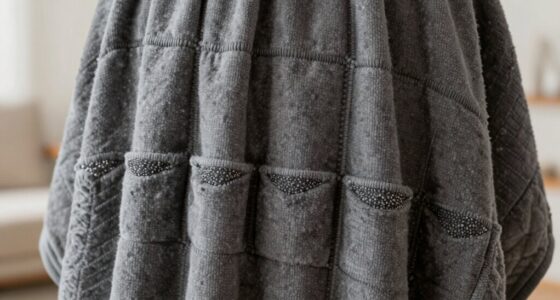
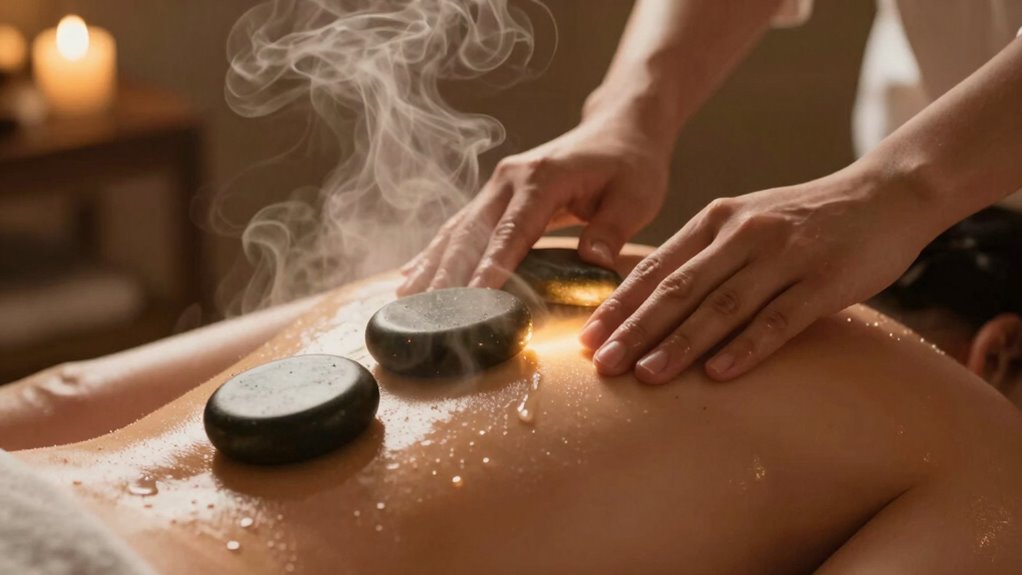

Applying heat before a massage helps muscles relax faster by increasing blood flow, loosening fibers, and warming tissues. This makes muscles more flexible, responsive, and less tense, allowing deeper massage therapy. Warmth reduces stiffness and pain, making knots easier to release. Combining heat with massage not only speeds up recovery but also enhances overall effectiveness. Keep exploring to learn more tips on safely using heat to improve your muscle relaxation routine.

Turn your quiet moments into listening time
- Thousands of audiobooks, podcasts and originals
- Listen on your phone, tablet or Echo — also offline
- Cancel anytime
Key Takeaways
- Warmth increases blood flow, delivering oxygen and nutrients that facilitate muscle relaxation and faster release of tension.
- Heat penetrates deep into muscle fibers, enhancing elasticity and responsiveness to massage.
- Applying warmth relaxes tense muscles, making knots easier to break down during massage.
- Heat dilates blood vessels, improving circulation and accelerating metabolic waste removal for quicker muscle recovery.
- Proper warmth reduces stiffness and discomfort, allowing muscles to relax more quickly during massage sessions.
As an affiliate, we earn on qualifying purchases.
How Does Heat Help Relax Muscles Faster?
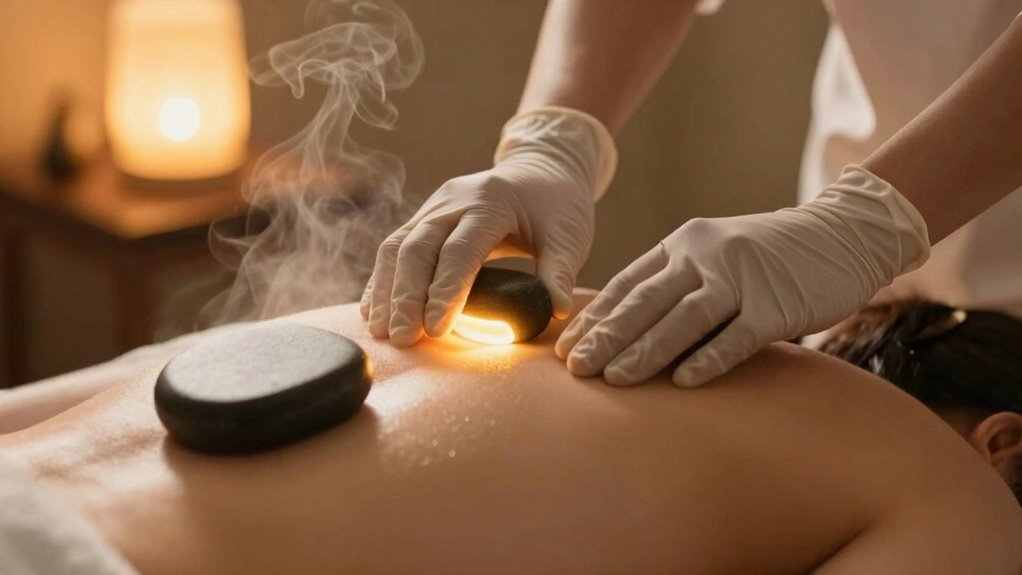
When you apply heat to tense muscles, it triggers your body’s natural response to relax. Heat increases blood flow, helping your muscles loosen faster. This response is especially helpful if you’ve experienced muscle overstretching or minor injuries. Unlike cold therapy, which numbs pain and reduces inflammation, heat promotes flexibility and eases tightness. Applying warmth also relaxes muscle fibers, making them more receptive to massage and stretching. This combined effect speeds up recovery and relieves discomfort quicker. When muscles are warm, they’re less likely to tighten or spasm, preventing further overstretching. Using heat on strained muscles is a simple yet effective way to accelerate relaxation and promote healing, especially after strenuous activity or minor injuries. Additionally, the use of appropriate heat therapy devices can optimize the benefits and ensure safe application. Proper application methods are important to avoid burns or overheating during therapy.
As an affiliate, we earn on qualifying purchases.
How Warmth Loosens Up Your Muscle Fibers
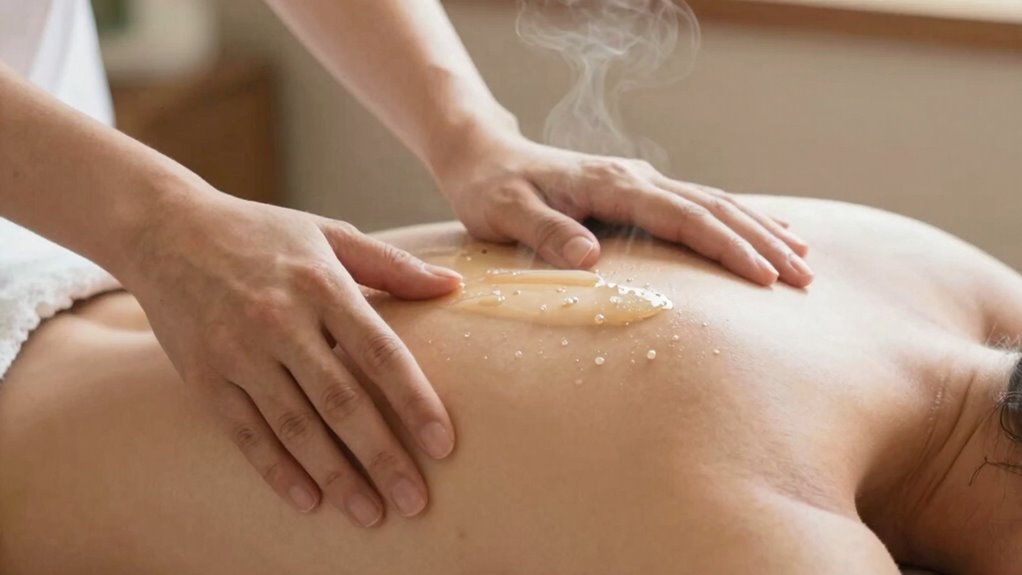
Warmth penetrates deep into your muscles, causing the muscle fibers to relax and loosen. When your muscles warm up, their elasticity improves, making them more flexible and less prone to strain. This increased elasticity allows fibers to stretch and move more freely, reducing tightness and discomfort. Additionally, warmth encourages blood flow enhancement, delivering oxygen and nutrients more efficiently to muscle tissues. Better blood circulation helps clear out metabolic waste products, which can cause stiffness and soreness. As blood flow increases, muscles become more pliable and responsive, speeding up recovery and easing tension. Moreover, the application of warmth can also help decrease muscle stiffness by reducing muscle tension, and promoting relaxation. Furthermore, the use of innovative European cloud servers in healthcare technology can facilitate real-time data analysis, improving personalized muscle therapy. Recent studies also suggest that thermal therapy can activate specific pathways in muscle tissues to accelerate healing. In short, warmth directly influences your muscle fibers by boosting elasticity and circulation, making it easier for them to relax and lengthen naturally. Additionally, applying warmth can enhance muscle recovery by promoting quicker healing processes.
infrared heating pad for muscles
As an affiliate, we earn on qualifying purchases.
As an affiliate, we earn on qualifying purchases.
What Are the Best Types of Heat for Muscle Relief?
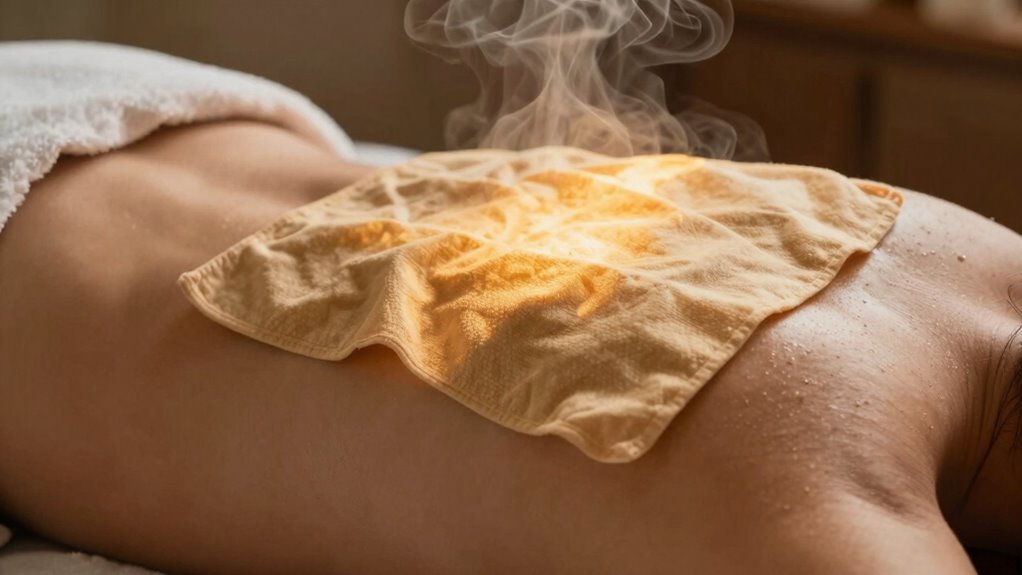
Choosing the right type of heat can make a significant difference in soothing sore muscles. Hot packs are a popular option because they deliver consistent warmth directly to the affected area, helping muscles relax quickly. Heating pads are another effective choice; they provide adjustable heat and can be used for longer periods, making them ideal for targeted relief. Both options are portable and easy to use at home or work. When selecting between hot packs and heating pads, consider the area you want to treat and your comfort preferences. Confirm that the heat is warm enough to promote relaxation but not so hot that it causes discomfort or burns. Using the right heat source can accelerate muscle release and reduce pain effectively.
As an affiliate, we earn on qualifying purchases.
Why Is Combining Heat and Massage More Effective?
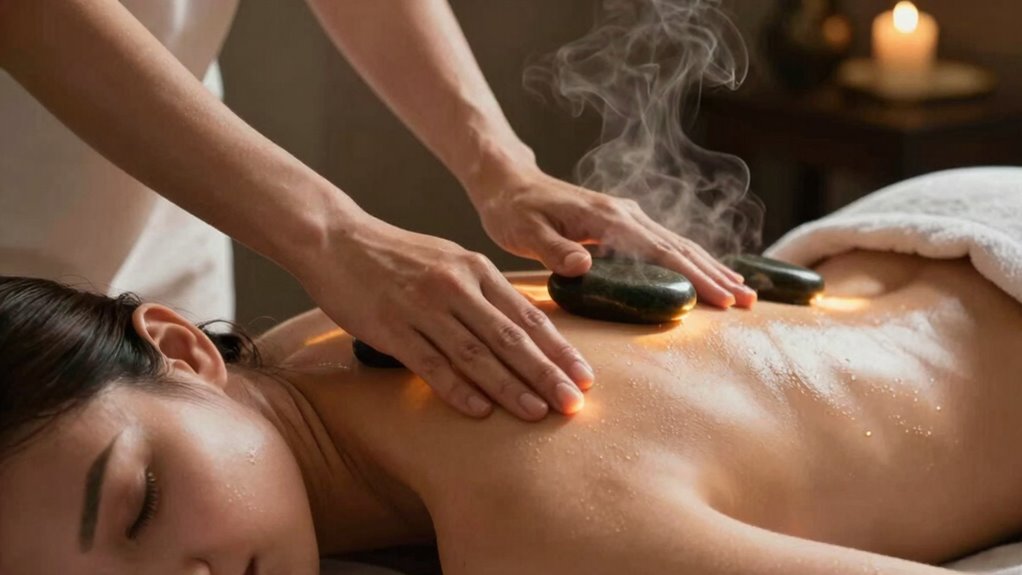
Combining heat and massage enhances muscle relaxation more effectively than using either method alone because they work together to increase blood flow, loosen tight muscles, and reduce tension. The warmth helps dilate blood vessels, promoting better circulation and delivering oxygen to tired muscles, which can alleviate muscle fatigue. Massage further breaks down knots and releases built-up tension. When you use heat alongside massage, it prepares your muscles for deeper work, making the relief faster and more complete. This combination also counters cold therapy’s tendency to cause muscles to tighten, ensuring muscles stay relaxed. Additionally, the combination of heat and massage can enhance lymphatic drainage, helping to reduce swelling and accelerate recovery. Using heat and massage together can also prevent stiffness, enabling you to return to activity sooner. Incorporating muscle relaxation techniques can further improve the effectiveness of this treatment, allowing for quicker recovery and greater comfort. The synergistic effect of heat and massage can also improve flexibility, reducing the risk of future injuries. Moreover, this combination can promote better pain management, making discomfort less intense and more manageable during recovery. Using both methods together maximizes relaxation, reduces recovery time, and prevents stiffness more efficiently than relying solely on cold or heat therapy.
How Does Heat Reduce Muscle Stiffness and Pain?
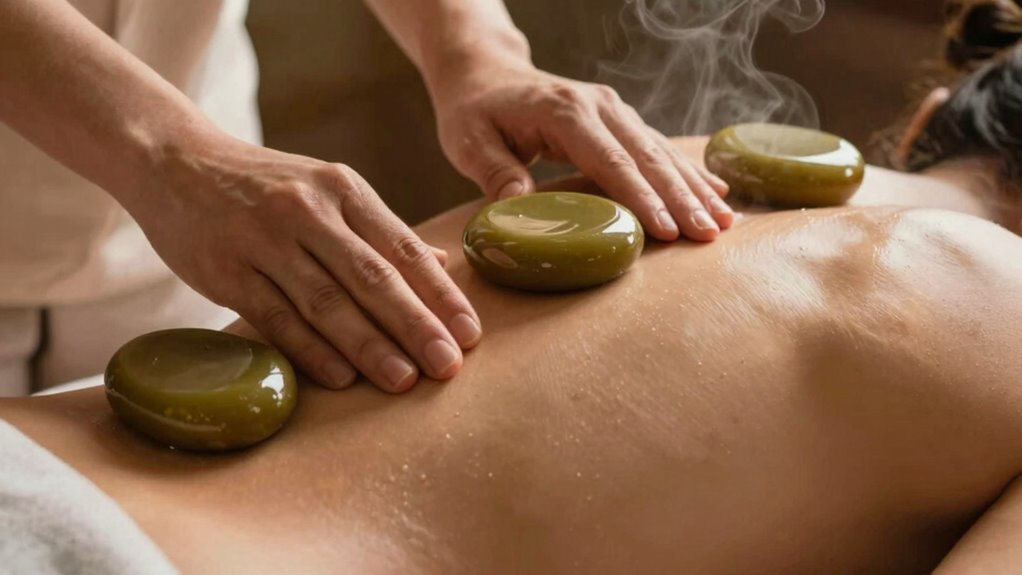
Heat helps reduce muscle stiffness and pain by increasing blood flow to affected areas, which delivers oxygen and nutrients essential for tissue repair. This boost in circulation accelerates muscle recovery and eases tightness, making movement less painful. When muscles are warm, the tissue becomes more flexible, reducing stiffness and preventing further injury. Heat also helps relax tense muscles, breaking the cycle of pain and discomfort. As a result, pain management becomes more effective, allowing you to move comfortably and recover faster. By improving circulation and promoting relaxation, heat helps muscles let go more quickly, easing soreness and stiffness. Proper heat application can also prevent overstimulation of nerve endings, ensuring a safe and effective treatment experience. Regularly using heat therapy in combination with proper home maintenance can enhance overall muscle health and comfort. Additionally, maintaining optimal ventilation in your sauna or hot environment ensures consistent and safe heat levels, supporting effective therapy. Proper temperature regulation is crucial for maximizing benefits and avoiding potential burns or overheating.
How to Safely Use Heat Before Massage : A Step-by-Step Guide
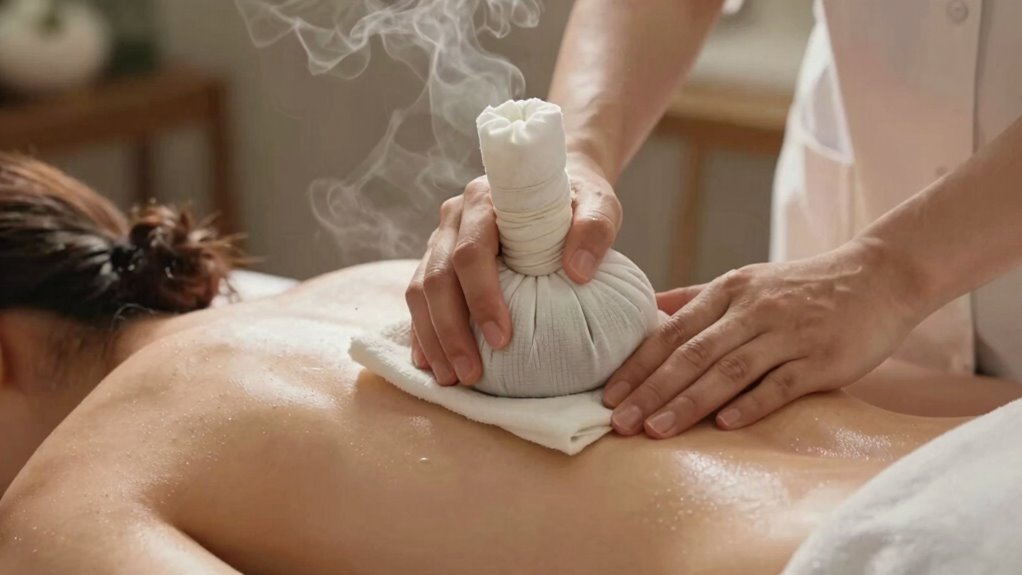
Before applying heat before a massage, it’s important to prepare your skin and choose the right method to guarantee safety and effectiveness. Start by ensuring your skin is clean and dry. Use a warm towel, heating pad, or a microwaveable heat pack, making sure it’s not too hot to avoid burns. Test the temperature on your wrist first. Apply the heat therapy gently to the targeted muscle area for about 10-15 minutes. Keep the heat moving slightly to prevent overstimulation. This pre-massage step helps increase blood flow and relax muscles, maximizing the massage benefits. Properly using heat beforehand enhances muscle relaxation safely and effectively. Additionally, understanding water park amenities can help you plan relaxing activities after your massage. Always listen to your body—if you feel discomfort or excessive heat, remove the heat source immediately. Incorporating knowledge of Gold IRA markets can also provide insight into making informed investment decisions during your relaxation time. Using the right heat application techniques ensures you get the most benefit without risking injury. Being aware of piercing aftercare can also help you avoid skin irritation if you have recent piercings in the area. It’s also beneficial to be aware of safe heat practices to prevent accidental burns or skin damage during application.
How Warmth Enhances the Effectiveness of Your Massage
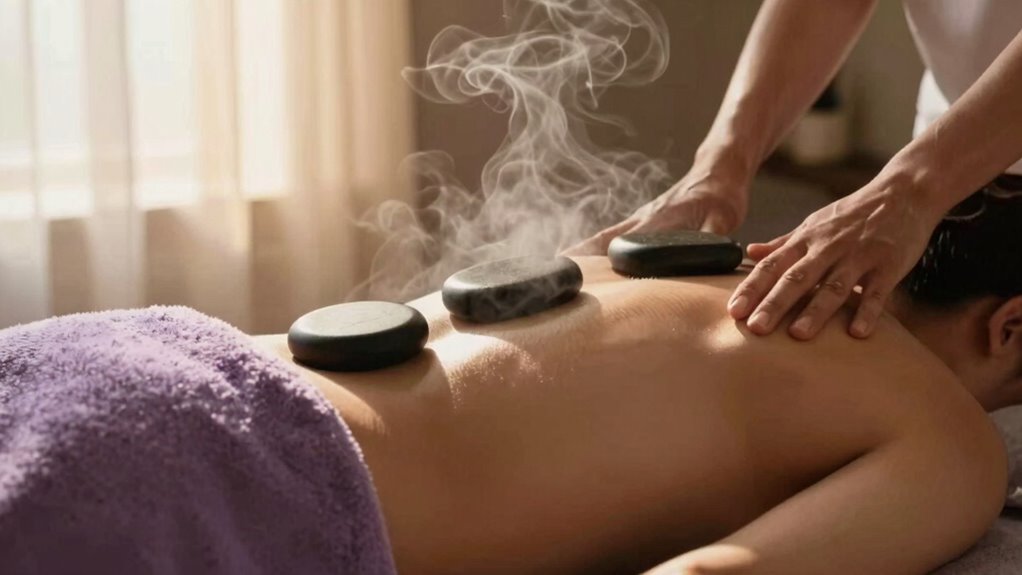
Applying warmth before your massage increases blood flow to the targeted muscles, making them more receptive to the therapy. Warmth helps reduce muscle tension, allowing the massage to penetrate deeper and relax muscles more effectively. When muscles are warm, they respond faster to pressure, releasing knots and easing tightness. This process also minimizes discomfort compared to cold therapy, which can stiffen muscles and hinder progress. Warmth enhances circulation, delivering oxygen and nutrients that support muscle recovery. Additionally, it can help prevent injury by loosening stiff muscles beforehand. Using heat strategically boosts your massage’s efficiency, ensuring faster relief and better long-term results. Proper application of muscle warmth can significantly improve your overall recovery experience, especially when combined with mindful relaxation techniques. Incorporating heat therapy as part of your routine can further optimize the benefits and promote quicker muscle relaxation.
Furthermore, maintaining consistent temperature control can help sustain the benefits of warmth throughout your recovery process.
Common Myths About Using Heat for Muscle Relaxation
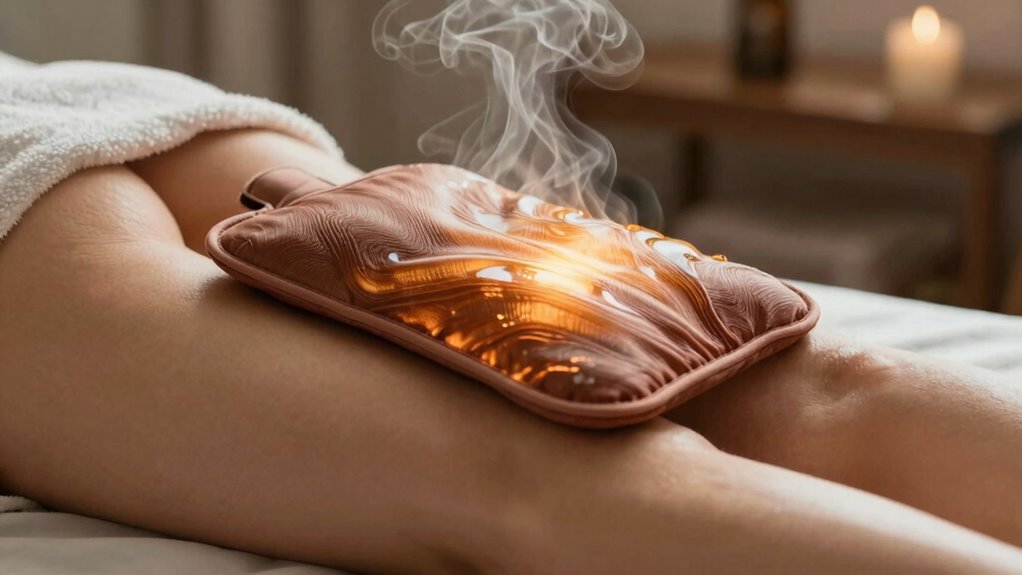
Many believe that heat can cure all muscle issues, but it only provides temporary relief. Using heat excessively can also lead to risks like burns or irritation. It’s important to understand these myths so you can use warmth safely and effectively.
Heat Doesn’t Cure All
While heat can be effective in relaxing muscles, it’s important to recognize that it’s not a cure-all. Relying solely on heat won’t fix underlying issues like muscle dehydration or nerve sensitivity. Overuse or improper application can even worsen discomfort or mask pain signs that need medical attention.
- Heat can temporarily loosen muscles but doesn’t address dehydration, which hampers muscle function.
- Excessive warmth may increase nerve sensitivity, making pain feel worse.
- It doesn’t improve circulation enough to resolve chronic inflammation.
- Heat won’t undo structural injuries or muscle tears.
Understanding these limits helps you avoid false hope and encourages combining heat with other treatments for effective muscle relief.
Temporary Relief Only
Although heat can provide quick comfort, it’s important to recognize that it offers only temporary relief for muscle discomfort. Applying warmth may soothe short-term pain and help muscles relax, but it doesn’t address the root cause of the problem. Relying solely on heat can lead you to believe the pain is gone when, in fact, it might return once the warmth fades. This temporary relief can mask underlying issues that need proper treatment or rest. If you use heat frequently without addressing the cause of your muscle pain, you risk delaying necessary care or worsening the injury. Remember, warmth can be a helpful short-term solution, but it shouldn’t replace *holistic* treatment for long-lasting muscle health.
Overuse Risks
Using heat excessively or improperly can do more harm than good, as it may lead to overuse injuries or worsen existing problems. Relying too much on heat might mask pain signals, causing you to push through muscle overexertion, which increases injury risk. To prevent this, limit heat application and listen to your body.
- Applying heat for too long can cause burns or skin irritation
- Using heat before activity may decrease muscle strength temporarily
- Ignoring pain signals can lead to more severe injuries
- Overusing heat can delay recovery by masking underlying issues
Proper injury prevention involves balancing heat therapy with rest, stretching, and gradual activity. Be cautious, and don’t rely solely on heat to manage muscle tension.
Tips to Incorporate Heat and Massage Into Your Recovery Routine
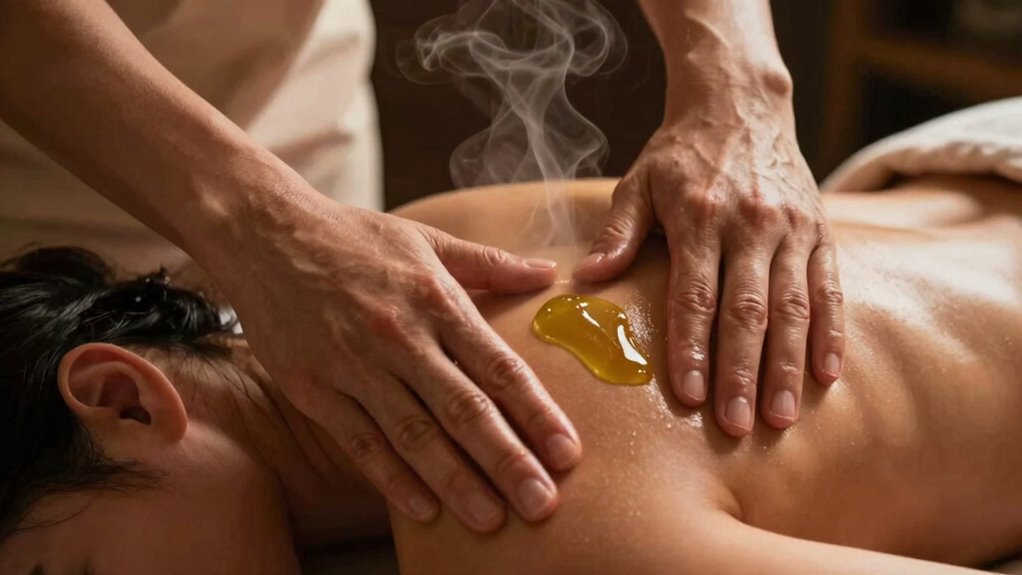
To get the most benefit from heat and massage, start with a warm-up before stretching to loosen your muscles. Use gentle massage techniques to target tight areas without causing discomfort. Incorporating these simple steps can make your recovery routine more effective and comfortable.
Warm Up Before Stretching
Warming up before stretching is essential to prepare your muscles and reduce the risk of injury. Proper warm-up increases blood flow, loosening muscles and easing stiffness caused by muscle fatigue. It also helps counteract the effects of cold therapy, which can make muscles tighter and more prone to strain. By raising your core temperature gradually, you make stretching more effective and safer. To incorporate heat effectively, consider light aerobic activities, such as brisk walking or cycling, before stretching. You can also use a warm towel or heating pad on targeted areas to increase tissue temperature. These steps help your muscles relax and become more pliable, allowing for a safer, more effective stretch session.
- Use gentle warm-up exercises to boost circulation
- Apply heat to specific muscle groups for deeper warmth
- Avoid sudden, intense movements that may strain cold, fatigued muscles
- Follow warm-up with dynamic stretching for improved flexibility
Gentle Massage Techniques
Incorporating gentle massage into your recovery routine can enhance muscle relaxation and reduce soreness. Use light, circular motions to target tight areas, applying warmth beforehand to maximize effectiveness. Opt for massage oil types like coconut or lavender-infused oils, which offer aromatherapy benefits that calm the mind and deepen relaxation. These oils help your hands glide smoothly over the skin, increasing comfort and effectiveness. Focus on areas that feel tense or sore, maintaining gentle pressure without causing discomfort. Incorporating heat, such as a warm towel or heating pad before massaging, can further loosen muscles. Remember, the goal is to promote blood flow and release tension gradually, making the experience both soothing and beneficial for your recovery.
When Should You Avoid Heat and See a Professional?

You should avoid using heat on your muscles if you notice increased swelling, severe pain, or signs of infection. These are clear heat contraindications that indicate you need professional consultation before attempting any treatment. Applying heat in these situations can worsen inflammation or hide underlying issues. Seek a healthcare professional if you experience persistent pain, unusual redness, or warmth around the area. It’s also best to avoid heat if you have blood clot concerns, skin conditions, or recent injuries. Always consult a professional before using heat therapy when unsure. Proper guidance ensures safe and effective relief, preventing complications. Remember, heat can help muscles relax, but only when used appropriately and under the right circumstances.
Frequently Asked Questions
Can Heat Therapy Be Used for Chronic Muscle Conditions?
Yes, heat therapy can be effective for chronic muscle conditions. You should use it regularly to promote long term relief by increasing blood flow and reducing inflammation. Applying warmth helps muscles relax faster, easing stiffness and pain over time. Consistent use can improve mobility and decrease discomfort, making it a valuable part of your ongoing management routine for chronic issues. Just make sure to follow proper guidelines to avoid burns or overuse.
How Long Should I Apply Heat Before a Massage Session?
You should apply heat for about 15-20 minutes before your massage to optimize muscle relaxation. Use proper duration planning with a warm compress or heating pad, ensuring it’s comfortably warm but not too hot. Incorporate gentle heat application techniques, like wrapping a warm towel around the area or using a heating pad. This helps increase blood flow and loosen muscles, making your massage more effective and relaxing.
Are There Any Risks Associated With Using Heat on Muscles?
Using heat on muscles can pose risks like burned skin if applied too long or at too high a temperature. You might also experience increased inflammation if you overdo it, which can worsen soreness. Always test the heat first, limit application to 15-20 minutes, and avoid areas with skin damage or swelling. If you notice redness, pain, or burning, remove the heat immediately to prevent injury.
Is Heat Therapy Suitable for All Muscle Types and Locations?
Imagine your muscles as a garden, each with unique needs. Heat therapy suits most muscle types and locations, helping muscles relax and loosen up. However, for deep or sensitive areas, like the eyes or open wounds, heat might not be suitable. You should consider muscle type and location carefully, and consult a healthcare professional if you’re unsure. Proper use guarantees safe, effective relief without risking overstimulation or damage.
How Does Heat Compare to Cold Therapy for Muscle Recovery?
Heat therapy increases muscle temperature, promoting blood flow and relaxing tight muscles, which helps with injury prevention and speeds recovery. Cold therapy, on the other hand, reduces inflammation and numbs pain, making it ideal immediately after an injury. Use heat for muscle relaxation and cold to reduce swelling. Switching between both can optimize recovery, but always listen to your body and consult a professional for personalized advice.
Conclusion
Incorporating heat into your massage routine transforms your recovery into an unstoppable force of relaxation. It’s like releasing a secret weapon that melts away tension at lightning speed, turning stubborn knots into fleeting shadows. When you embrace warmth, your muscles surrender faster than you ever thought possible, making pain and stiffness vanish into thin air. So, don’t just settle for ordinary—ignite your recovery with heat and massage, and open a new realm of pure, unstoppable relaxation.
Halloween Picks
halloween
As an affiliate, we earn on qualifying purchases.