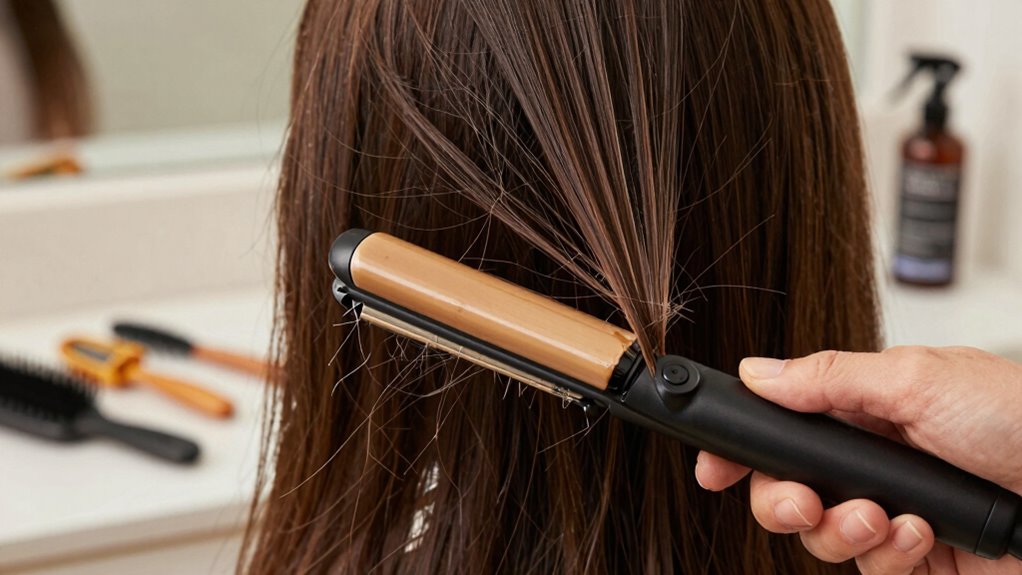

If you style your hair without using heat protectant, you risk weakening the cuticle and causing breakage over time. Rushing detangling or using rough brushes pulls on fragile strands, leading to damage. Poorly maintained tools or high heat settings increase stress on your hair, especially if you ignore temperature control. Small habits like handling your hair carelessly can silently weaken strands. Keep paying attention to your routine—there’s much more to discover that can help protect your hair.

Turn your quiet moments into listening time
- Thousands of audiobooks, podcasts and originals
- Listen on your phone, tablet or Echo — also offline
- Cancel anytime
Key Takeaways
- Using dull or poorly maintained tools increases snagging and breakage during styling.
- Applying high heat without a heat protectant weakens hair cuticles over time.
- Rough detangling from roots downward causes unnecessary tension and hair breakage.
- Using excessive heat settings on styling tools accelerates damage and brittleness.
- Handling hair roughly or without protective routines leads to cumulative breakage.
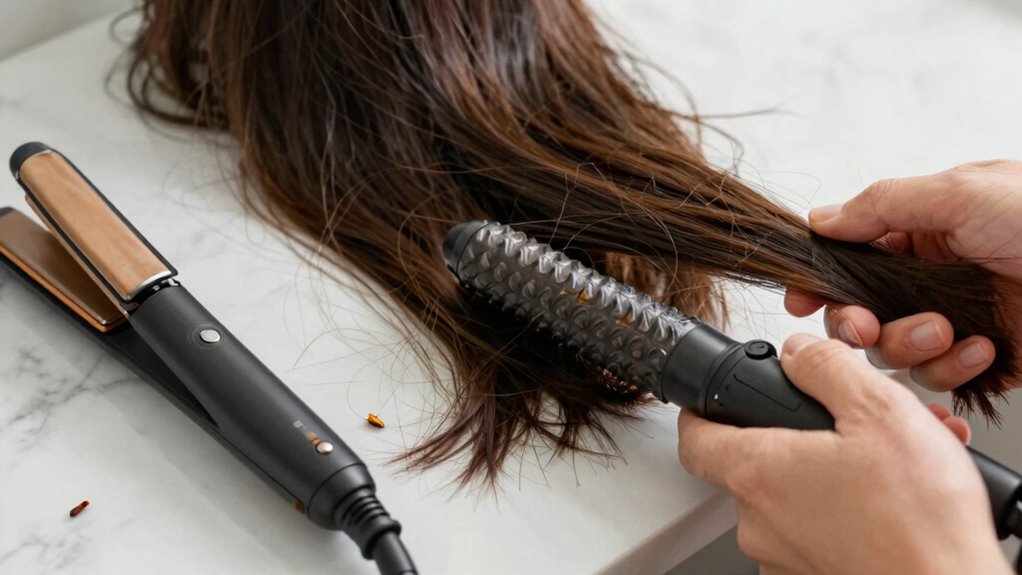
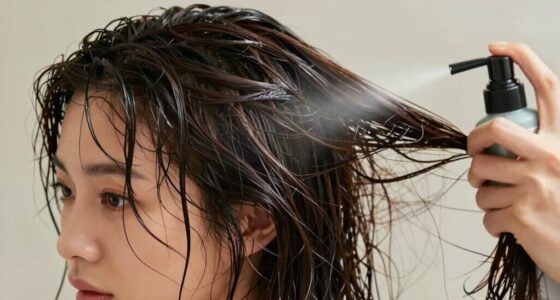
Have you ever wondered how your daily hair tool habits impact the health of your hair? Small choices, like how you handle your strands or the products you use, can add up over time, leading to breakage that’s not always obvious. One of the most common mistakes is neglecting heat protection before using hot tools. When you skip this step, you’re exposing your hair to high temperatures that weaken the cuticle, making strands more prone to snapping. It’s tempting to reach for your straightener or curling iron without thinking, but applying a heat protectant spray or serum creates a barrier. This barrier helps distribute heat evenly and reduces direct damage, keeping your hair stronger and more resilient over time.
Prioritize heat protection to shield your hair from damage and keep strands stronger and healthier over time.
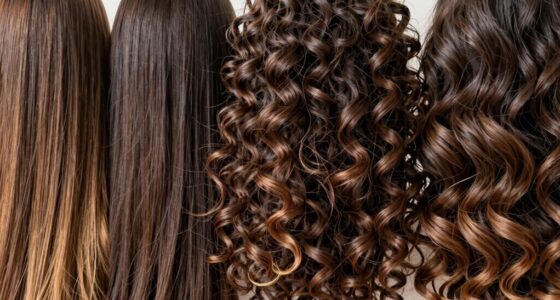
Another silent culprit of breakage is poor detangling habits. If you’re rough with your hair when brushing or combing, you’re pulling at strands that are already vulnerable. Instead of yanking through knots, you should aim for gentle detangling. Use a wide-tooth comb or a brush designed for detangling, starting from the ends and gradually working your way up. This approach minimizes tension and prevents the hair from snapping. Taking a few extra seconds to detangle properly can considerably cut down on breakage, especially if you regularly style or manipulate your hair with tools. Additionally, understanding hair porosity can help you choose the most suitable products and routines to protect your strands from damage. Recognizing your hair’s specific needs allows you to tailor your routine for optimal health and less breakage.
Your choice of tools also plays a role in the health of your hair. Using high-quality, well-maintained tools reduces unnecessary stress on strands. Dull or poorly made combs and brushes can snag, causing breakage with each pass. Regularly cleaning your tools prevents buildup of oils and product residue, which can make detangling more difficult and damaging. Proper tool maintenance is essential for minimizing damage, as it ensures your styling equipment functions smoothly and gently on your hair. Additionally, choosing tools with smooth, rounded edges can help reduce snagging and breakage during styling.
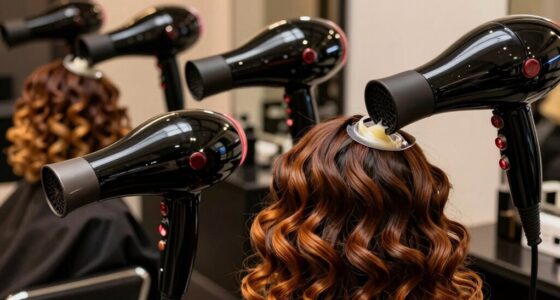
Temperature control is another key factor. Many people don’t realize that the heat setting on their styling tools can make a big difference. Opt for the lowest effective temperature to achieve your style. Higher heat might give faster results, but it also increases the risk of weakening the hair’s structure. Consistently using high heat without protection or moderation accelerates damage, leading to a dull, brittle appearance. Incorporating heat protection into your styling routine can significantly mitigate this damage and promote healthier hair over time.
Ultimately, the habits you develop in handling your hair daily—like applying heat protection, detangling gently, and choosing the right tools—are essential for maintaining healthy hair. Small, mindful adjustments can prevent the quiet buildup of breakage caused by careless styling. When you prioritize gentle, protective practices, you’re not just styling your hair; you’re preserving its strength, shine, and overall health for the long run.
As an affiliate, we earn on qualifying purchases.
Frequently Asked Questions
How Often Should I Replace My Hair Tools?
You should replace your hair tools every 1-2 years for ideal hair health. Regular hair tool maintenance, like cleaning your tools and checking for damage, helps prevent breakage. Proper storage also plays a big role—store tools in a dry, safe place to avoid damage from moisture or mishandling. If you notice frayed wires, burnt smells, or damaged plates, it’s time to replace your tools to protect your hair.
Can Using Hair Tools Daily Damage My Hair?
Using hair tools daily can damage your hair if you’re not careful. The heat from styling tools can weaken strands, leading to breakage, especially without heat protection. To prevent this, always apply a heat protectant and keep your tools well-maintained—clean and in good condition. Regularly checking your tools helps avoid uneven heat distribution that can cause damage, ensuring your hair stays healthy and strong even with daily styling.
What Temperature Is Safe for Curling Irons and Straighteners?
You should keep your curling irons and straighteners at 300°F or lower to prevent damage. Always use heat protection spray before styling, and avoid high temperatures that can weaken hair strands. Regular tool maintenance, like cleaning and inspecting for damage, helps guarantee even heat distribution and safer use. By managing temperature carefully and maintaining your tools, you reduce the risk of breakage and keep your hair healthier.
Do Cheap Hair Tools Cause More Breakage?
Cheap hair tools often cause more breakage because they tend to have inconsistent heat, poor quality plates, and lack advanced features that protect your hair. Using low-quality tools increases the risk of hair damage since they can snag, pull, or heat unevenly. Investing in better tools helps prevent breakage and keeps your hair healthier, while cheap options might save money initially but can lead to costly damage over time.
How Can I Tell if My Hair Tools Are Damaging My Hair?
You can tell if your hair tools are damaging your hair by observing breakage, split ends, or increased dryness. To prevent this, always use heat protection and regularly maintain your tools—cleaning, checking for damaged cords, and replacing worn-out plates. If your hair feels brittle or shows signs of damage after styling, it’s a sign your tools might be too harsh. Prioritize gentle tools and proper care to keep your hair healthy.
As an affiliate, we earn on qualifying purchases.
Conclusion
By being mindful of your hair tool habits, you can considerably reduce breakage and keep your hair healthier. Remember, over 80% of hair damage comes from everyday styling mistakes, so small changes make a big difference. Switch to gentler tools, avoid excessive heat, and never go to bed with tangled hair. Taking these steps guarantees your hair stays strong and vibrant, allowing you to enjoy beautiful, damage-free strands every day.
professional hairbrush for detangling
As an affiliate, we earn on qualifying purchases.
As an affiliate, we earn on qualifying purchases.
temperature control hair styling tools
As an affiliate, we earn on qualifying purchases.
As an affiliate, we earn on qualifying purchases.
Fall Picks
fall essentials
As an affiliate, we earn on qualifying purchases.