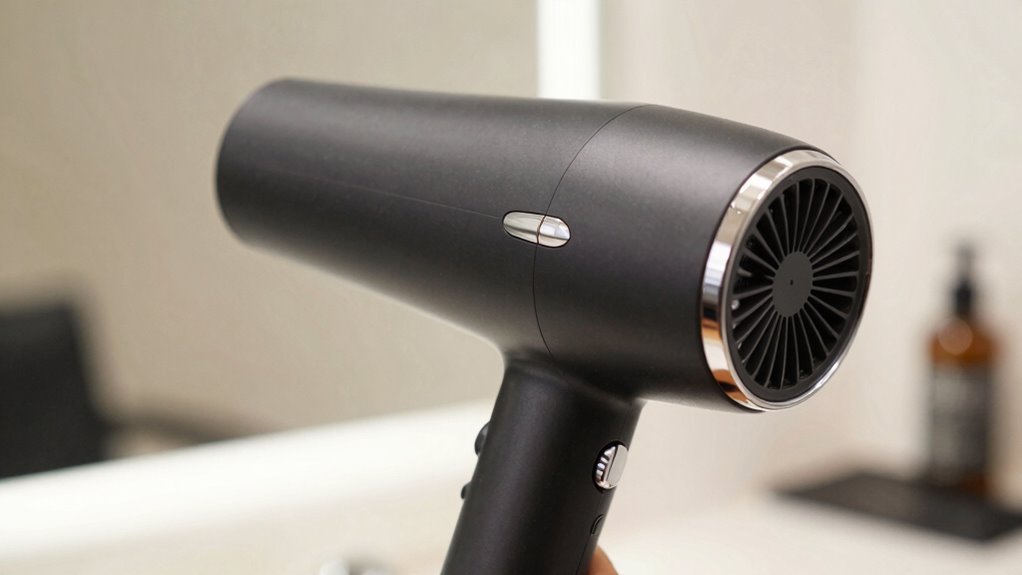

To make hooded dryers more comfortable, focus on maintaining even airflow and ensuring a proper fit. Avoid tight hoods that restrict air, and adjust vents for better circulation. Keep airflow balanced with moderate heat to prevent hotspots and overheating. Moving slightly during the drying process helps distribute heat and airflow evenly. When you master airflow management, your hair dries faster, healthier, and with less discomfort—details that can improve your experience even further.

Turn your quiet moments into listening time
- Thousands of audiobooks, podcasts and originals
- Listen on your phone, tablet or Echo — also offline
- Cancel anytime
Key Takeaways
- Ensure the hood fits comfortably without being too tight to allow proper air circulation.
- Use adjustable vents to direct airflow away from sensitive areas for enhanced comfort.
- Maintain a balanced combination of moderate heat and airflow to prevent overheating and discomfort.
- Keep moving or shifting during drying to promote even airflow and avoid hotspots.
- Focus on even air circulation for consistent drying, reducing the feeling of hot spots and improving comfort.
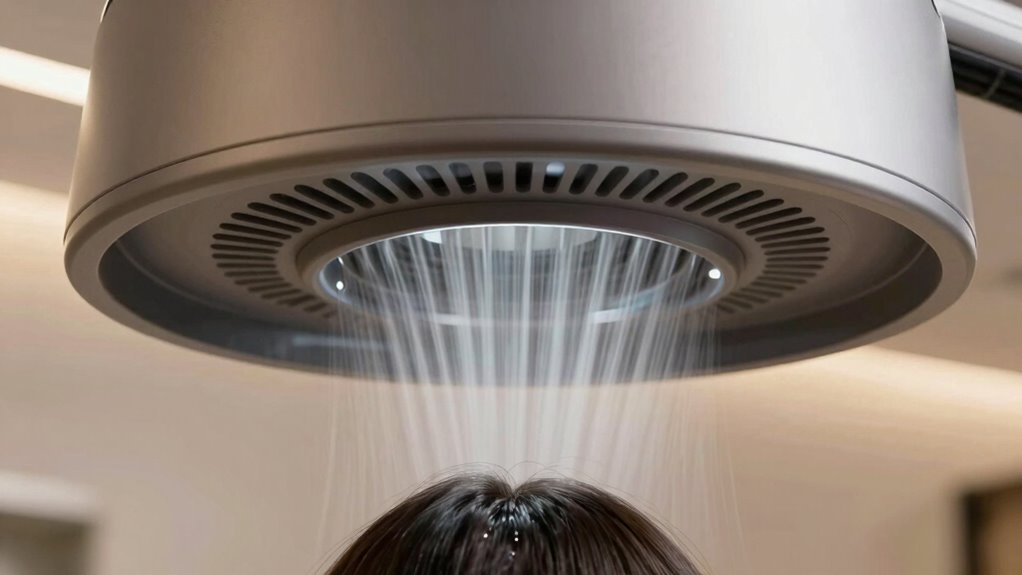
Hooded dryers are vital tools in professional salons and at-home hair care routines, primarily because of how they manage airflow to dry hair efficiently. The key to comfort during use often hinges on understanding the airflow rule that maximizes heat distribution and air circulation. When you position the dryer correctly and set the airflow properly, you’ll notice a significant difference in how comfortable and effective the drying process feels.
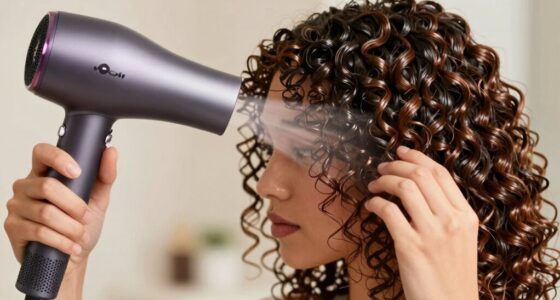
The fundamental principle is that good air circulation prevents hot spots from forming on your scalp or hair. If the airflow is too concentrated in one area, it can lead to uneven heat distribution, causing discomfort or even potential damage to your hair. When airflow is evenly distributed across your head, you experience a gentle, consistent warmth that speeds up the drying process without feeling overly hot or suffocating. This balanced airflow allows heat to reach every strand equally, reducing the risk of dryness or scalp irritation.
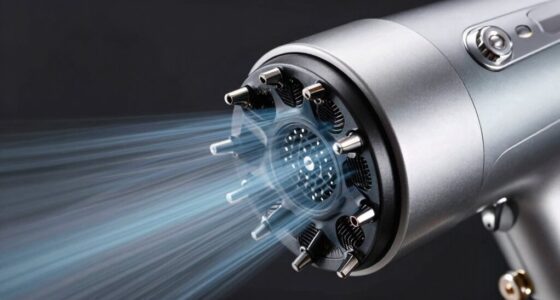
To achieve maximum airflow, you should guarantee the hood is not too tight around your head, which can restrict air circulation. Instead, it should fit comfortably, allowing air to flow freely while still maintaining enough contact to dry your hair evenly. Many professional dryers have adjustable vents or settings that help control this airflow. Using these controls helps you direct the heat and air circulation where you need it most, preventing hotspots and ensuring a more comfortable experience. Proper airflow management is essential for optimizing both comfort and drying efficiency.
Another vital aspect is the temperature setting combined with airflow. High heat combined with aggressive airflow can feel uncomfortable and even damaging. Conversely, a lower heat setting with moderate airflow often provides a more comfortable experience, especially during longer drying sessions. This balance ensures that heat is well-distributed, and air circulation remains gentle but effective.
Additionally, keeping the dryer moving during use promotes even heat distribution and air circulation. Staying in one spot for too long can cause localized overheating, which is uncomfortable and potentially harmful. Moving the hood slightly or adjusting your position ensures the airflow remains consistent across your entire head. This technique not only enhances comfort but also improves overall drying efficiency.
In essence, mastering the airflow rule—focusing on even air circulation and balanced heat distribution—makes using a hooded dryer a more pleasant and effective experience. When you pay attention to these details, you’ll find that your hair dries faster, feels healthier, and you stay more comfortable throughout the process. Proper airflow management isn’t just about drying; it’s about creating a smoother, more enjoyable experience every time you use your hooded dryer.
A good understanding of airflow management can significantly improve your drying experience, making it both more comfortable and more effective.
As an affiliate, we earn on qualifying purchases.
Frequently Asked Questions
Can Airflow Adjustments Improve Drying Speed?
Yes, adjusting airflow can improve drying speed. When you maintain airflow consistency, the heat distributes more evenly, enhancing drying efficiency. Proper airflow adjustments guarantee hot air reaches all hair sections uniformly, reducing overall drying time. By controlling airflow, you prevent hot spots and uneven drying, making the process faster and more comfortable. So, experimenting with airflow settings helps you achieve quicker, more efficient drying results every time.
Do Different Hair Types Require Specific Airflow Settings?
Yes, different hair types need specific airflow settings for ideal styling and comfort. For fine or thin hair, use lower airflow to prevent damage and enhance styling versatility, while thicker or curly hair benefits from higher airflow to speed up drying and define curls. Adjusting airflow based on hair texture ensures a more comfortable drying experience and better results, helping you achieve your desired look without unnecessary stress on your hair.
How Does Airflow Affect Scalp Health?
You might think airflow doesn’t impact scalp health, but it actually does. Proper airflow promotes better scalp circulation, which helps deliver nutrients and remove toxins. It also aids moisture retention, preventing dryness and irritation. Too much airflow can cause dryness or irritation, while too little might hinder circulation. Finding a balanced airflow keeps your scalp healthy, reduces discomfort, and supports overall hair and scalp wellness.
Are There Safety Concerns With High Airflow Settings?
Yes, high airflow settings can pose safety concerns, especially with increased airflow noise and energy consumption. The loud noise may cause discomfort or hearing issues over time, and higher airflow consumes more energy, leading to higher electricity bills and potential overheating risks. Always use the lowest effective airflow setting to balance comfort and safety, reducing noise and energy use while preventing equipment overheating or damage.
Can Airflow Changes Reduce Heat Damage?
Adjusting airflow allows you to actively avoid heat damage by boosting airflow efficiency and balancing humidity control. When you increase airflow, you disperse heat more swiftly, preventing hot spots, while maintaining proper humidity levels keeps hair healthy. Conversely, reducing airflow gently guides heat away from delicate strands. By fine-tuning airflow, you create a cooler, comfortable environment that guards against heat damage and promotes healthier, happier hair.
professional hair dryer with adjustable vents
As an affiliate, we earn on qualifying purchases.
As an affiliate, we earn on qualifying purchases.
Conclusion
Understanding the airflow rule in hooded dryers can truly boost your comfort during use. Did you know that ideal airflow can reduce drying time by up to 30%? That means less time under the dryer and more convenience in your day. By adjusting airflow according to the rule, you’ll experience a more even, comfortable heat that minimizes discomfort. So next time you use a hooded dryer, remember this simple rule—it could make all the difference!
As an affiliate, we earn on qualifying purchases.
As an affiliate, we earn on qualifying purchases.
Halloween Picks
halloween
As an affiliate, we earn on qualifying purchases.