


Using a SAD lamp in the morning can boost your mood and improve sleep during darker months. To get the best results, you should turn it on shortly after waking, ideally for about 20-30 minutes. Proper timing helps reset your body’s internal clock and suppress melatonin, making you feel more alert. Skipping or delaying this routine can reduce its effectiveness. Keep exploring to learn how to optimize your light therapy for better well-being.

Turn your quiet moments into listening time
- Thousands of audiobooks, podcasts and originals
- Listen on your phone, tablet or Echo — also offline
- Cancel anytime
Key Takeaways
- Morning exposure to SAD lamps is most effective for resetting circadian rhythms and improving mood.
- Proper timing, shortly after waking, enhances melatonin suppression and boosts alertness.
- Consistent daily use of 20-30 minutes optimizes therapy benefits during darker months.
- Selecting a lamp with at least 10,000 lux and full-spectrum light ensures safety and effectiveness.
- Consulting a healthcare professional helps tailor timing and device choice for individual needs.

Seasonal Affective Disorder (SAD) can profoundly impact your mood and energy levels during the darker months of the year. To combat this, many people turn to light therapy, which involves using SAD lamps to mimic natural sunlight. These lamps emit a bright, full-spectrum light that can help reset your body’s internal clock, known as your circadian rhythm. When your circadian rhythm is out of sync, it can lead to feelings of fatigue, depression, and disrupted sleep. Light therapy aims to realign this rhythm by providing your brain with the light signals it needs to regulate sleep and alertness properly.
Light therapy with SAD lamps can help reset your circadian rhythm and improve mood during darker months.
Timing is vital when it comes to using SAD lamps effectively. The best results often come from morning exposure, shortly after waking up. By doing this, you’re giving your brain the cue that it’s daytime, which helps suppress melatonin production—the hormone responsible for sleep. This early light exposure signals your body that it’s time to be awake and alert, promoting a more stable mood throughout the day. If you delay or skip this morning routine, your circadian rhythm may remain misaligned, making the therapy less effective or even counterproductive.
You should aim for about 20-30 minutes of exposure to the SAD lamp each morning. During this time, you don’t need to stare directly into the light; sitting at an angle or with your eyes closed can still provide benefits. The key is consistency—using the lamp every day during the darker months helps establish a routine that supports your circadian rhythm. Over time, this consistency can reduce symptoms like fatigue, depression, and difficulty sleeping, all common with SAD. Additionally, understanding the importance of light intensity can help you choose the most effective device for your needs. Being aware of the correct timing can further enhance the benefits you receive from light therapy.
It’s also important to understand that not all SAD lamps are created equal. Look for a lamp that provides at least 10,000 lux of illumination, which is the standard for effective light therapy devices. Using a lower-lux lamp might not produce the same benefits, and some people may need longer exposure times. Furthermore, selecting a device with full-spectrum light can enhance the therapy’s effectiveness, as it more closely resembles natural sunlight. Choosing a research-backed device can also ensure you’re getting a product that meets safety and efficacy standards. Additionally, selecting a lamp with appropriate UV filtering can prevent potential eye irritation or damage. Always consult with a healthcare professional before starting light therapy, especially if you have eye conditions or other health issues, to guarantee it’s safe and tailored to your needs.
In essence, the morning light habit, when timed correctly, can be a game-changer for managing SAD. It leverages the power of light therapy to reset your circadian rhythm, helping you feel more energized, balanced, and ready to face the darker months.
Products Worth Considering

Philips Hue Bridge Pro Smart Lighting Hub
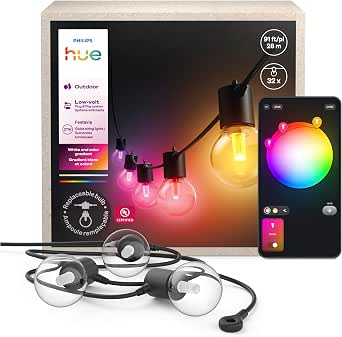
Philips Hue Festavia Globe Outdoor String Lights, 32 Bulbs, 91 ft

Roborock Robot Vacuum and Mop with LiDAR Navigation and 10,000 Pa Suction
As an affiliate, we earn on qualifying purchases.
Frequently Asked Questions
Can SAD Lamps Be Used for Summer Seasonal Affective Disorder?
Yes, you can use SAD lamps for summer seasonal affective disorder. During summer, light therapy benefits may be less necessary, but some people still find it helpful, especially if they experience summer depression or limited outdoor exposure. Incorporate summer exposure to natural light whenever possible, and consider using a SAD lamp in the mornings to boost mood and energy. Always consult a healthcare professional for personalized advice.
Are There Any Side Effects From Using SAD Lamps Regularly?
Think of light therapy as a gentle sunrise for your mind, but like any powerful tool, it can have side effects if misused. Regular use might cause eye strain, headaches, or irritability if you don’t follow safety guidelines. Always prioritize eye safety, keep a proper distance, and limit exposure time. If you notice discomfort, reduce usage or consult a healthcare professional to guarantee your light therapy journey remains safe and effective.
How Long Should I Use a SAD Lamp Each Morning?
You should use a SAD lamp for about 20 to 30 minutes each morning. Focus on maintaining the recommended light intensity of 10,000 lux during this period. Adjust the usage duration if you notice side effects like headaches or eye strain. Consistency helps, so try to make it part of your daily routine, but always listen to your body and consult a professional if needed.
Can SAD Lamps Replace Natural Sunlight Entirely?
No, SAD lamps can’t replace natural sunlight entirely. Imagine artificial light as a helpful guide, like a flashlight in a dark room—useful for mood regulation, but not a substitute for sunlight’s full spectrum. Natural sunlight offers essential benefits for your circadian rhythm and vitamin D production. While SAD lamps boost mood during darker months, they work best when complemented with genuine outdoor light and fresh air.
Are There Specific Brands or Types of SAD Lamps Recommended?
You should look for SAD lamps with proven brand recommendations like Verilux, Philips, or Carex, known for quality and effectiveness. Focus on lamp specifications, such as providing 10,000 lux of brightness, a UV filter for safety, and a full-spectrum light for natural color rendering. These features guarantee you get the right light intensity and safety standards, making your morning light routine more effective in combating seasonal affective disorder.
Conclusion
By now, you see how SAD lamps can truly brighten your mornings and improve your mood. Imagine Sarah, who struggles with winter blues, using her lamp every morning and noticing her energy lift and her evenings become more peaceful. With proper timing and consistency, you too can harness the power of morning light. Don’t wait—try a SAD lamp today and experience the difference it can make in your daily life.