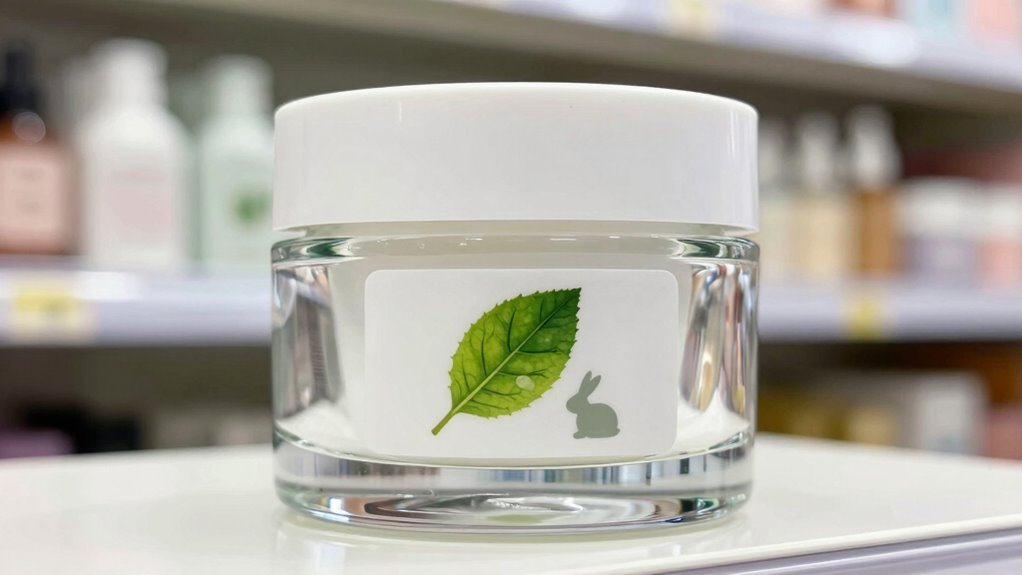
Cruelty-free labels in Europe mean products were made without animal testing at any stage, making it easier for you to choose ethically. Certifications like Leaping Bunny or PETA ensure strict standards are met and verified by independent organizations. European regulations also prohibit animal testing for cosmetics, adding extra trust. To truly understand which brands align with your values, you’ll want to explore what these labels represent and how they protect animal welfare. If you’re curious, there’s more to uncover about the standards behind these symbols.
Play games included with Prime
Start a Prime free trial and play with Amazon Luna on your devices.
As an affiliate, we earn on qualifying purchases.
Key Takeaways
- Cruelty-free labels indicate products developed without animal testing, but standards vary by certifying organization.
- In Europe, regulations since 2013 ban animal testing for cosmetics, making cruelty-free claims more reliable.
- Trusted certifications like Leaping Bunny ensure strict standards and independent verification of cruelty-free claims.
- Some brands rely on their own claims; certification seals provide greater transparency and consumer confidence.
- Understanding certification standards helps consumers choose genuinely cruelty-free products aligned with animal welfare.
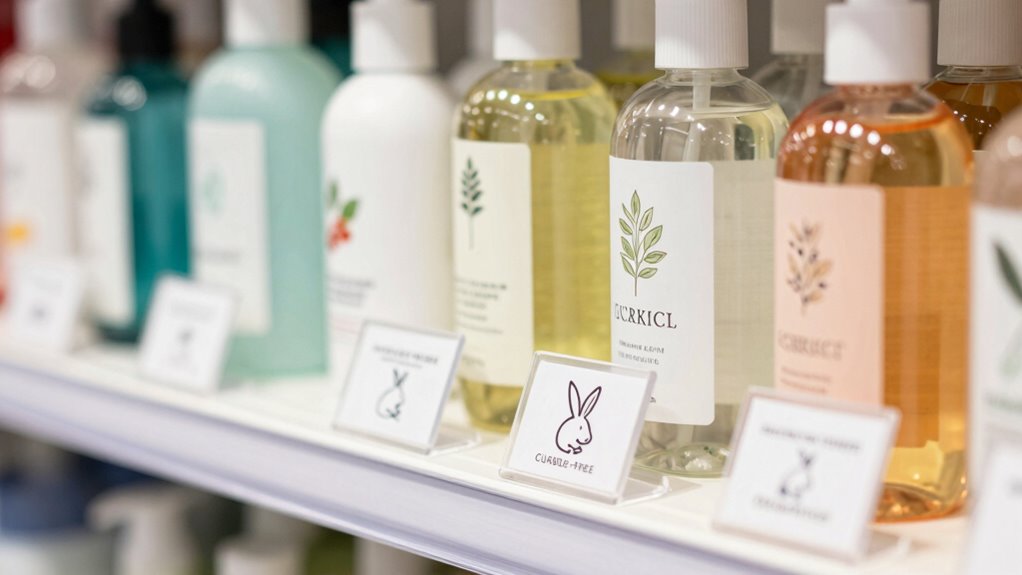
Have you ever wondered what the cruelty-free label really means on your favorite beauty products? It’s a good question because, with so many labels out there, it can be confusing to know what’s truly cruelty-free. At its core, a cruelty-free label indicates that the product was developed without animal testing. But not all labels are created equal, and understanding the underlying certification standards can help you make informed choices. When a product claims to be cruelty-free, it typically means that neither the product nor its ingredients were tested on animals at any stage of development. However, the specifics can vary depending on the certifying organization and the regulations they follow. Some certification standards are strict, requiring companies to provide proof that no animal testing was involved at any point, including by suppliers or third-party laboratories. Others might only cover the final product, meaning that some ingredients could still have been tested earlier in the supply chain. This is why it’s important to look for trusted certifications that have clear standards and rigorous verification processes.
Additionally, understanding animal testing regulations in different regions can help clarify the credibility of cruelty-free claims. In Europe, the legal landscape is evolving, with stricter regulations governing animal testing. The European Union, for example, has banned animal testing for cosmetics and their ingredients since 2013. This means that any product sold within the EU must comply with these standards, making a cruelty-free label in Europe often more reliable. Many European brands also seek third-party certification, which involves independent organizations verifying their claims. These certifications adhere to strict standards that prohibit animal testing at every stage, from ingredient sourcing to final production. When you see a cruelty-free label backed by a certification recognized in Europe, you can be more confident that the brand upholds these rigorous standards.
However, it’s worth noting that some brands may label their products as cruelty-free without official certification, relying instead on their own claims. While some of these claims may be genuine, they aren’t always verified by an independent body. That’s why looking for recognized certification seals from organizations like Leaping Bunny or PETA’s Beauty Without Harm can give you peace of mind. These organizations have detailed standards in place that prevent animal testing and ensure transparency. Ultimately, understanding the certification standards behind cruelty-free labels helps you support brands that genuinely prioritize animal welfare, aligning your shopping choices with your values.
As an affiliate, we earn on qualifying purchases.
Frequently Asked Questions
How Often Are Cruelty-Free Standards Reviewed in Europe?
You should know that cruelty-free standards in Europe are reviewed regularly, often every 1-3 years, to guarantee ongoing compliance. During this period, label verification and certification renewal are key steps, as they confirm that products still meet cruelty-free criteria. Staying updated with these reviews helps you trust the labels, knowing they’re backed by current standards. If a certification lapses, the product may lose its cruelty-free status until renewed.
Can a Product Be Cruelty-Free but Not Vegan?
Think of cruelty-free as a promise, not a guarantee of vegan ingredients. Yes, a product can be cruelty-free without being vegan because it may avoid animal testing but still contain animal-derived ingredients. You’re protected from animal testing, but not necessarily from animal products. Always check labels carefully, as cruelty-free focuses on testing, while vegan refers to excluding animal ingredients—two different standards that often overlap but don’t always align.
Are There Regional Differences in Cruelty-Free Labeling Within Europe?
Yes, there are regional variations in cruelty-free labeling across Europe. You’ll notice that some countries have stricter standards, ensuring more consistent labeling, while others may lack uniformity. This inconsistency can make it tricky to identify genuinely cruelty-free products, so it’s important to check certifications and understand local regulations. By being aware of these regional differences, you can better navigate the landscape and make informed, ethical choices.
What Organizations Certify Cruelty-Free Labels in Europe?
Did you know that over 70% of European consumers prefer cruelty-free products? Certification processes are vital for guaranteeing labels are trustworthy. In Europe, organizations like Leaping Bunny and PETA’s Cruelty-Free Certification oversee cruelty-free labeling regulations. They verify that brands meet strict standards, giving you confidence in your choices. Always look for these recognized labels to make certain you’re supporting genuinely cruelty-free products.
Do Cruelty-Free Labels Guarantee Sustainable or Eco-Friendly Practices?
Cruelty-free labels don’t guarantee sustainable or eco-friendly practices. They primarily focus on ethical marketing by certifying products are made without animal testing, which can boost your consumer trust. However, sustainability involves additional factors like eco-friendly ingredients, packaging, and production methods. Always check for specific certifications or claims related to environmental impact, as cruelty-free labels alone don’t verify that a product is truly sustainable or eco-conscious.
Leaping Bunny certified cosmetics
As an affiliate, we earn on qualifying purchases.
As an affiliate, we earn on qualifying purchases.
Conclusion
Now that you know how to read those cruelty-free labels, you’re like a savvy explorer steering a forest of promises. With this knowledge, you can confidently spot genuine compassion shining through the labels like a guiding star. Remember, each label is a key opening a kinder world—your choices become the brushstrokes painting a more ethical future. So go ahead, be a conscious consumer and let your decisions bloom with kindness!
As an affiliate, we earn on qualifying purchases.
animal testing free beauty products
As an affiliate, we earn on qualifying purchases.
As an affiliate, we earn on qualifying purchases.
Fall yard work Picks
leaf blowers
As an affiliate, we earn on qualifying purchases.