
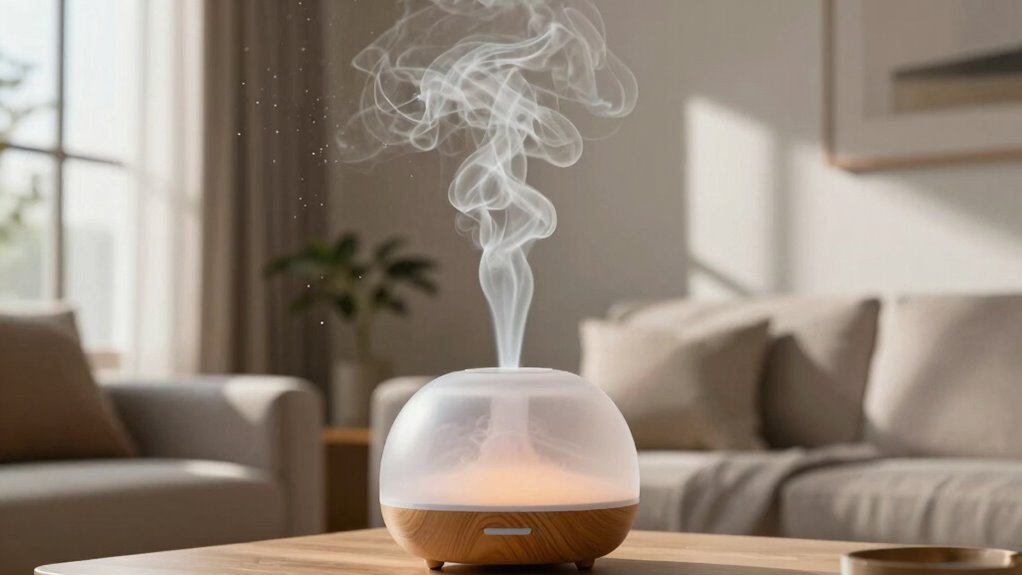

You might not realize how vital ventilation is when diffusing essential oils, but it plays a key role in your safety and scent effectiveness. Without proper airflow, oils can linger, causing overexposure that may lead to headaches or irritation. Good ventilation helps disperse the aroma evenly while preventing scent build-up. If you want to maximize benefits and avoid health risks, ensuring your space is well-ventilated is essential—and there’s much more to discover about optimizing your aromatherapy setup.
Prime for Young Adults — start your free trial
Fast free delivery, streaming and member deals for eligible 18–24 year olds.
As an affiliate, we earn on qualifying purchases.
Key Takeaways
- Poor ventilation can cause essential oils to linger, leading to overexposure and potential health issues.
- Adequate airflow prevents scent buildup, ensuring safe and balanced aromatherapy benefits.
- Stagnant air increases the risk of headaches, dizziness, and respiratory irritation from concentrated oils.
- Proper ventilation helps disperse essential oils evenly throughout the room for optimal scent distribution.
- Overdiffusing in poorly ventilated spaces can overwhelm the respiratory system and reduce air quality.
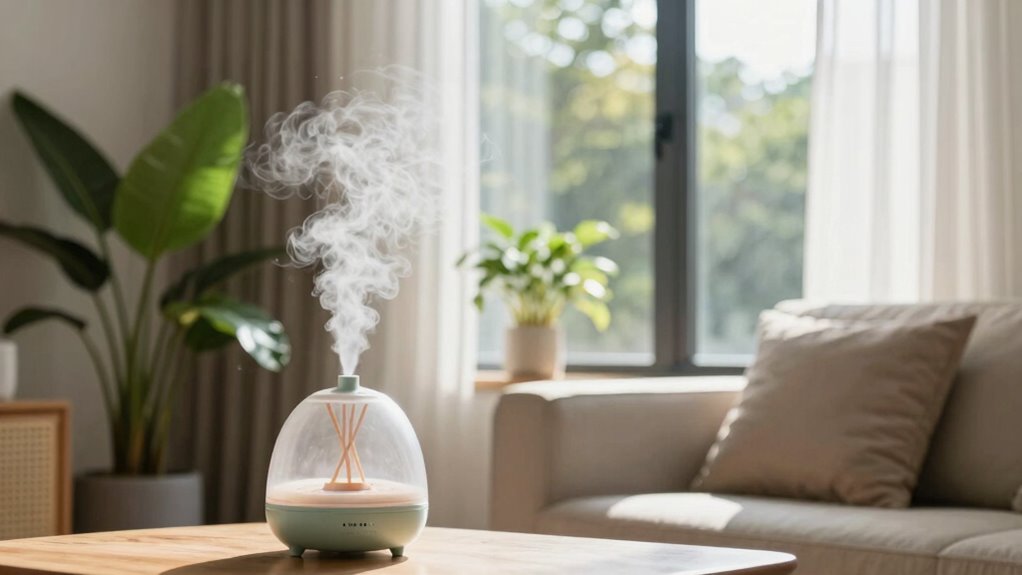
Have you ever wondered how to naturally enhance the air quality in your home? If you’re using essential oils through diffusion, you might think that simply turning on the diffuser is enough. But the truth is, diffuser placement and ventilation play a vital role in making sure you’re truly benefiting from the aromatherapy. Good air quality isn’t just about the scent; it’s about how well your home circulates and refreshes the air, especially when essential oils are involved.
When you place your diffuser, it’s tempting to put it on a countertop or near your favorite lounge spot. While these spots might seem convenient, they can also limit the dispersion of essential oils into the air. Proper diffuser placement promotes better air quality by allowing the oils to distribute evenly throughout the room. You want to position your diffuser in a spot that’s central but not obstructed—preferably elevated, like on a shelf or a high table—so the mist can naturally disperse and mix with the existing air. This helps prevent the oils from settling quickly and guarantees a more uniform scent that improves air quality rather than just masking odors.
However, even the best diffuser placement can’t compensate for poor ventilation. If your home is tightly sealed or lacks fresh air exchange, the essential oils may linger in the air longer than they should, potentially leading to overexposure. Overuse of diffusers without proper ventilation can cause headaches, dizziness, or respiratory irritation. That’s why ventilation needs to be a priority—opening windows regularly or using exhaust fans can help circulate fresh air and prevent the buildup of concentrated oil particles. This creates a healthier environment and enhances the benefits of your aromatherapy efforts. proper ventilation is essential for maintaining a safe and balanced indoor air quality. Additionally, understanding indoor air quality and how it impacts health can help you make better decisions about diffusing essential oils.
It’s also worth considering the size of your space. In a small room, diffusion can quickly saturate the air, so good ventilation ensures the oils don’t become overwhelming. Conversely, in larger areas, proper diffuser placement combined with strategic airflow makes sure the scent isn’t just localized but spreads evenly. Remember, the goal is to improve air quality—not just add a pleasant smell. Too much essential oil in stagnant air can cause adverse effects, so balancing diffusion with airflow is essential. Using air exchange systems or air purifiers can further optimize indoor air conditions.
In short, your diffuser’s placement and the ventilation in your home are key to truly harnessing the benefits of essential oil diffusion. Good air quality isn’t achieved by scent alone—it’s about creating an environment where the air remains fresh, balanced, and safe. Regularly optimizing air circulation and making ventilation a priority can significantly improve your aromatherapy experience and overall well-being. Adjust how and where you diffuse, and make ventilation a priority to enjoy the full health benefits of aromatherapy.
essential oil diffuser with adjustable mist
As an affiliate, we earn on qualifying purchases.
As an affiliate, we earn on qualifying purchases.
Frequently Asked Questions
Can Diffuser Scents Cause Allergies or Respiratory Issues?
Yes, diffuser scents can cause allergies or respiratory issues, especially if you’re sensitive to certain essential oils. They may trigger allergy symptoms or worsen respiratory irritation in some people. To minimize risks, guarantee good ventilation when diffusing, and choose high-quality, pure oils. If you notice any allergy triggers or breathing problems, reduce or stop use and consult a healthcare professional. Proper ventilation helps dilute airborne particles and reduces potential health issues.
How Often Should I Ventilate After Diffusing Essential Oils?
You should ventilate your space immediately after diffusing essential oils, ideally every 15-30 minutes, to prevent scent build-up. Think of air circulation as the superhero sweeping out lingering scents, ensuring fresh air replaces the dispersed aroma. Proper ventilation clears out excess oils, reduces potential allergen buildup, and maintains healthy scent dispersion. Keep your environment balanced by opening windows or doors regularly, especially after extended diffusing sessions.
Are Certain Essential Oils More Harmful in Enclosed Spaces?
Yes, certain essential oils can be more harmful in enclosed spaces due to higher oil concentration and diffusion safety concerns. Oils like eucalyptus, peppermint, and cinnamon can cause respiratory irritation or allergic reactions if diffused excessively. To stay safe, guarantee proper ventilation, limit diffusion time, and use moderate oil amounts. Being mindful of oil properties helps prevent adverse effects and maintains a healthy indoor environment.
Is It Safe to Diffuse Oils Continuously Overnight?
It’s generally not safe to diffuse oils continuously overnight, especially without proper air circulation. Excessive oil concentration can cause headaches, respiratory irritation, or allergic reactions. To stay safe, guarantee good ventilation and limit diffusion time. Turning off your diffuser while sleeping allows fresh air to circulate and prevents oil buildup in the air. Remember, moderation and proper airflow keep your space safe and enjoyable.
How Does Ventilation Impact the Effectiveness of Diffused Oils?
Think of your home like a Victorian parlor where air circulation is key. Proper ventilation enhances the effectiveness of diffused oils by preventing scent saturation, or scent dilution. Without fresh air flowing, the oils can become overwhelming or less noticeable. Good air circulation disperses the scent evenly, helping you enjoy the aroma’s benefits without it feeling too strong or stagnant. Ventilation truly maximizes your essential oil experience.
air purifier with essential oil diffuser compatibility
As an affiliate, we earn on qualifying purchases.
As an affiliate, we earn on qualifying purchases.
Conclusion
In summary, careful consideration of ventilation is vital when diffusing essential oils. Don’t disregard the dangers of dense, damp, or poorly ventilated spaces—diligence in ventilation delivers a safer, more satisfying sensory experience. By balancing breathability with aromatic bliss, you guarantee a healthier home environment. Remember, proper ventilation prevents pitfalls, promotes peace, and preserves the purity of your essential oil journey. Prioritize ventilation for a safer, sweeter diffusion experience every time.
ventilation fan for aromatherapy rooms
As an affiliate, we earn on qualifying purchases.
As an affiliate, we earn on qualifying purchases.
As an affiliate, we earn on qualifying purchases.
NFL season / tailgating Picks
team gear
As an affiliate, we earn on qualifying purchases.