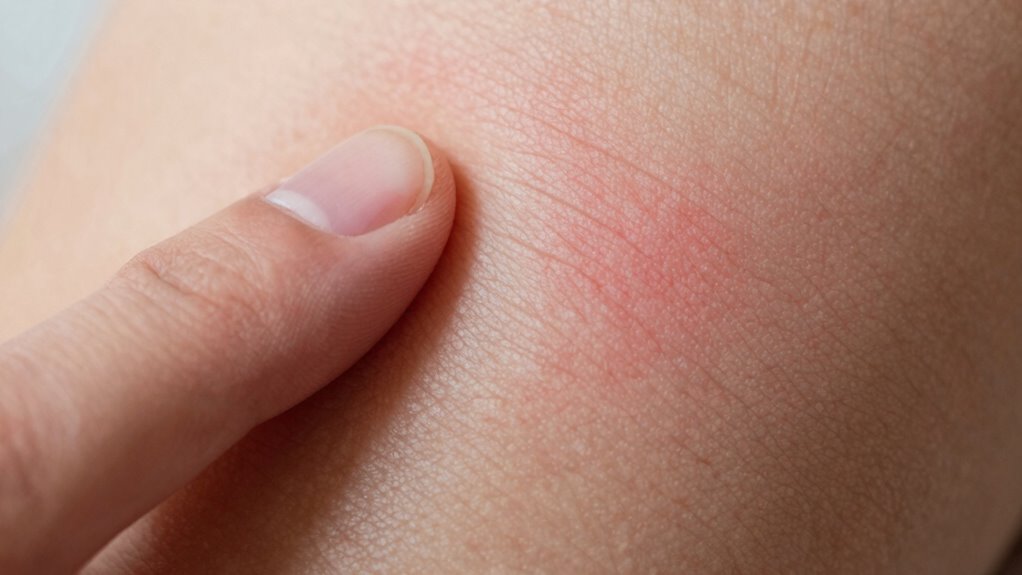

Skin stimulation occurs when positive triggers like gentle exfoliation and nourishing products activate your skin’s sensory response, boosting resilience and overall health. In contrast, skin stress happens when external factors like harsh weather, pollution, or aggressive skincare overwhelm your skin’s defenses, causing redness, irritation, and damage. Staying mindful of these differences helps you protect your skin while encouraging healthy growth. Keep exploring to discover how you can better manage these responses for a healthier, more resilient complexion.

Turn your quiet moments into listening time
- Thousands of audiobooks, podcasts and originals
- Listen on your phone, tablet or Echo — also offline
- Cancel anytime
Key Takeaways
- Skin stimulation promotes growth and resilience by positively activating nerve responses, while skin stress overwhelms defenses, causing irritation and damage.
- Stimulation enhances circulation and barrier health, whereas stress weakens the skin’s barrier, leading to inflammation and increased sensitivity.
- Proper stimulation involves gentle, beneficial triggers; stress results from harsh environmental factors or aggressive skincare.
- Recognizing early signs of stress (redness, irritation) helps manage reactions, whereas stimulation improves overall skin resilience.
- Balancing stimulation and minimizing stress supports healthy, responsive, and robust skin over time.
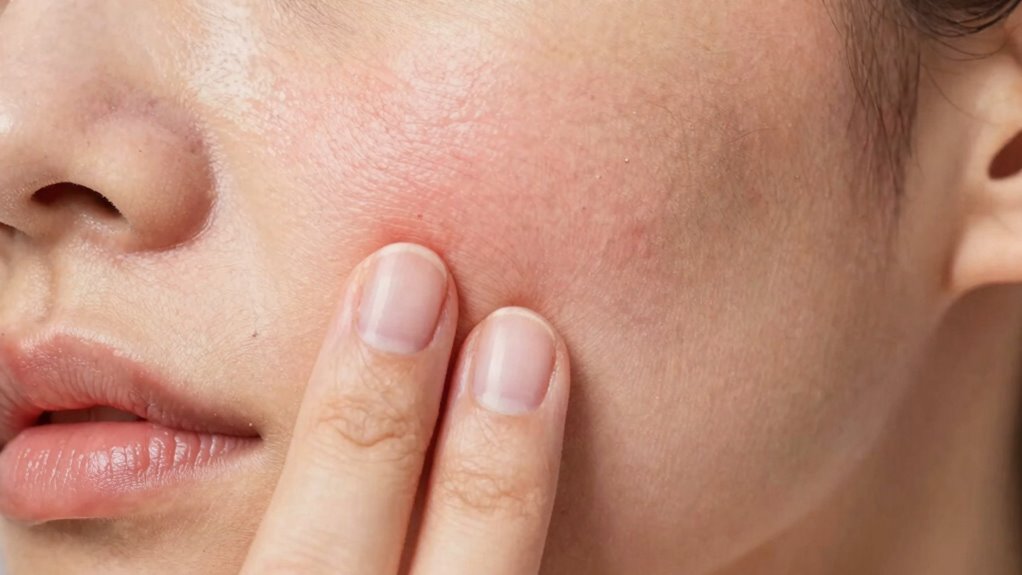
Your skin constantly reacts to external factors, but understanding the difference between stimulation and stress is key to maintaining healthy skin. Stimulation occurs when your skin encounters positive or beneficial triggers, prompting a sensory response that encourages growth and adaptability. For example, gentle exfoliation or the use of nourishing skincare products can stimulate your skin, enhancing circulation and boosting your skin’s resilience. When your skin responds well to these stimuli, it becomes more robust, better equipped to handle daily environmental challenges. The key is to foster this kind of healthy stimulation, which helps your skin stay vibrant and resilient over time.
On the other hand, skin stress happens when external factors overwhelm your skin’s natural defenses, leading to adverse reactions. Stress can come from harsh weather, pollution, aggressive skincare ingredients, or even emotional strain that manifests physically. When your skin experiences stress, it reacts with signs like redness, irritation, or breakouts. Over time, persistent stress can weaken your skin’s resilience, making it less capable of bouncing back from damage or daily wear. Unlike positive stimulation, stress triggers a defensive response that often results in inflammation and compromised barrier function. Recognizing these signs early helps you adjust your skincare routine and environmental exposure to prevent long-term damage.
Understanding your skin’s sensory response is essential in distinguishing between stimulation and stress. Your skin is equipped with nerve endings that detect changes in temperature, pH, and texture, allowing you to gauge what’s beneficial versus harmful. When properly stimulated, your skin’s resilience increases, meaning it can better resist irritation and recover faster from minor insults. Additionally, maintaining a healthy skin barrier plays a crucial role in this process by preventing harmful substances from penetrating and causing stress. The barrier acts as a protective shield, ensuring that your skin remains balanced and less prone to damage. Conversely, when your skin is under stress, those nerve endings may signal discomfort or pain, indicating that your skin is overwhelmed. By paying close attention to these signals, you can tailor your skincare practices—choosing gentle products for stressed skin and incorporating nourishing treatments to promote resilience. Recognizing how external factors can influence your skin’s sensory response further helps in maintaining a balanced and healthy complexion. Additionally, protective measures can further support your skin’s ability to withstand environmental stressors.
Ultimately, maintaining a healthy balance involves encouraging positive stimulation while minimizing stressors. Use products formulated to support your skin’s natural barrier, avoid over-exfoliating, and protect yourself from environmental aggressors. When you understand how your skin reacts and what it needs, you empower yourself to foster a resilient, healthy complexion. Recognizing the difference between stimulation and stress allows you to optimize your skincare routine, ensuring your skin remains strong, responsive, and capable of handling whatever comes its way.
As an affiliate, we earn on qualifying purchases.
Frequently Asked Questions
How Can I Tell if My Skin Is Overstimulated or Stressed?
You can tell your skin is overstimulated or stressed when it feels itchy, red, or irritated, often accompanied by sensory overload or skin fatigue. If your skin becomes more sensitive, reacts strongly to products, or feels tense and exhausted, it’s a sign to give it a break. Notice if daily stressors or harsh skincare worsen these symptoms, indicating your skin needs soothing and less stimulation to recover.
Are Certain Skin Types More Prone to Stress or Stimulation?
Certain skin types are more prone to stress or stimulation, especially those with heightened skin sensitivity. If your skin reacts strongly to environmental triggers like pollution, harsh weather, or skincare products, you’re likely more susceptible to stress. Sensitive skin often experiences inflammation or irritation under stress, whereas less reactive skin might handle stimulation better. Understanding your skin’s unique responses helps you choose appropriate products and protect it from potential triggers.
Can Skin Stimulation Be Harmful if Excessive?
Yes, excessive skin stimulation can be harmful, especially if your skin sensitivity is high. Overdoing treatments or using harsh products may cause stress indicators like redness, irritation, or burning sensations. Pay attention to how your skin reacts; if you notice persistent discomfort or inflammation, it’s a sign to reduce stimulation. Maintaining a gentle skincare routine helps prevent damage and keeps your skin balanced and healthy.
What Are the Long-Term Effects of Skin Stress?
You might worry about long-term skin stress, but it can accelerate aging concerns if left unchecked. Over time, skin stress weakens your skin barrier, leading to dryness, irritation, and loss of elasticity. This damage can make your skin more vulnerable to environmental harm and premature aging. To protect your skin’s health, it’s crucial to minimize stressors and support your skin barrier, maintaining youthful, resilient skin over the years.
How Do Skincare Products Influence Skin Stimulation and Stress?
Skincare products influence skin stimulation and stress through ingredient reactions that can either soothe or irritate your skin. When gentle ingredients promote stimulation, they boost circulation and cell renewal. However, harsh ingredients may cause barrier disruption, leading to increased stress and irritation. To keep your skin healthy, choose products suited to your skin type, avoiding those with known irritants, and always patch-test new formulations to prevent unwanted reactions.
nourishing skincare products for sensitive skin
As an affiliate, we earn on qualifying purchases.
As an affiliate, we earn on qualifying purchases.
Conclusion
Think of your skin like a garden: gentle stimulation is like watering and nurturing your plants, encouraging healthy growth, while stress is like harsh weather that damages them. Just as too much sun or wind can harm your garden, constant skin stress weakens your skin’s barrier, leading to issues. By understanding the difference, you can protect your skin like a skilled gardener, ensuring it stays vibrant and resilient, ready to face anything that comes its way.
As an affiliate, we earn on qualifying purchases.
As an affiliate, we earn on qualifying purchases.
Halloween Picks
halloween
As an affiliate, we earn on qualifying purchases.