


To allow your skin to recover properly, space out microdermabrasion sessions every two to four weeks. This timing gives your skin enough time to heal, regenerate, and reduce irritation or sensitivity. Pay attention to how your skin responds; increased redness or dryness suggests longer intervals are needed. Your skin’s natural healing cycle varies, so consulting a professional helps personalize your schedule. Keep exploring to discover more expert tips for safe and effective treatments.

Turn your quiet moments into listening time
- Thousands of audiobooks, podcasts and originals
- Listen on your phone, tablet or Echo — also offline
- Cancel anytime
Key Takeaways
- Schedule treatments every two to four weeks to allow sufficient skin healing and cell regeneration.
- Monitor your skin for redness, dryness, or irritation to determine if you need to extend intervals.
- Adjust treatment frequency based on skin type, sensitivity, and individual response for optimal recovery.
- Consult with a skincare professional to personalize spacing and ensure safe, effective treatment plans.
- Prioritize skin health by avoiding over-treatment and giving your skin adequate time to recover between sessions.
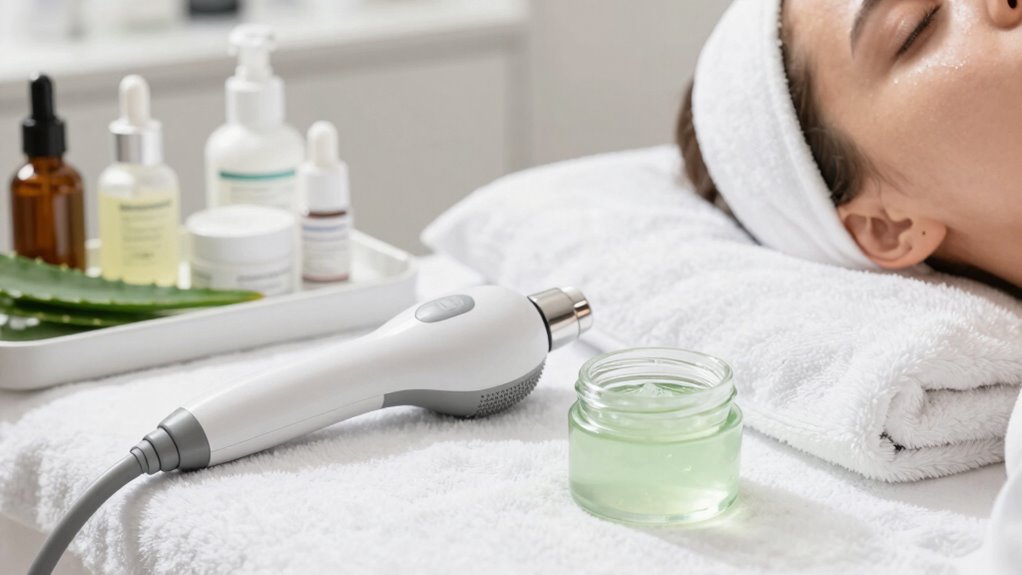
Scheduling your microdermabrasion sessions correctly is essential to achieving the best results without causing irritation. When you rush into treatments, you risk skin damage that can set back your progress and lead to unnecessary discomfort. Proper spacing allows your skin to recover fully, ensuring you get the most benefit from each session while minimizing the risk of adverse effects. The key is understanding the right treatment frequency that balances effectiveness with skin health.
Properly spacing microdermabrasion sessions maximizes results and minimizes irritation for healthy, effective skin rejuvenation.
Typically, microdermabrasion is recommended every two to four weeks. This interval gives your skin enough time to heal and regenerate new cells, which is vital for avoiding skin damage. If you go too frequently, you might notice redness, sensitivity, or even microtears in the skin. These issues not only cause discomfort but can also extend your recovery time and diminish the overall benefits. Conversely, spacing treatments too far apart might reduce their effectiveness, as your skin won’t be stimulated often enough to produce the desired improvement.
You should also pay attention to how your skin responds after each session. If you notice increased redness, dryness, or irritation, it’s a sign that your skin needs more time to recover. In such cases, extending the interval between treatments is wise. On the other hand, if your skin tolerates the process well and shows signs of improvement, you might consider slightly increasing treatment frequency, but only under professional guidance. This approach helps you avoid the pitfalls of over-treatment, such as skin damage or uneven results. Additionally, understanding the skin recovery process can help you better tailor your treatment plan to your individual needs. Your skin type and condition also influence how often you should schedule sessions. For sensitive or reactive skin, longer intervals are generally better to prevent irritation and damage. For those with more resilient skin or specific concerns like acne scars or uneven texture, a more tailored treatment plan can be developed by your skincare provider. They can help you find the ideal treatment frequency, balancing progress with skin safety, which is crucial for optimal results. Moreover, being aware of individual skin responses can further optimize the timing and safety of your microdermabrasion treatments. Understanding your skin’s natural healing cycle can further enhance your treatment outcomes and help you plan sessions more effectively. Additionally, consulting with a skincare professional can provide personalized insights into your unique skin recovery rate to ensure safe and effective treatments.
As an affiliate, we earn on qualifying purchases.
Frequently Asked Questions
Can I Perform Microdermabrasion at Home?
Yes, you can perform microdermabrasion at home, but it’s essential to proceed with caution. Use a DIY skincare kit designed for at-home use, and follow the treatment duration instructions carefully. Avoid overdoing it to prevent skin irritation or damage. Start with less frequent sessions, like once every two weeks, and monitor your skin’s response. Proper technique and patience help you achieve benefits while keeping your skin safe.
How Does Skin Type Affect Session Spacing?
Think of your skin like a garden; some plants need more time between watering. Skin sensitivity varies with skin type, affecting how often you should get microdermabrasion. For sensitive skin, longer treatment intervals prevent irritation, while resilient skin might handle closer sessions. Pay attention to your skin’s response, and consult a dermatologist to tailor your treatment schedule, ensuring your skin heals and thrives.
Are There Any Risks With Too Frequent Treatments?
Yes, too frequent treatments can lead to potential over exfoliation and skin barrier damage. When you overdo it, your skin might become red, irritated, or sensitive, increasing the risk of long-term damage. To guarantee these risks, follow recommended spacing guidelines and listen to your skin’s responses. Giving your skin enough time to recover helps maintain its health, assures effective results, and prevents complications like increased sensitivity or inflammation.
What Signs Indicate My Skin Needs More Recovery Time?
You should give your skin more recovery time if you notice increased skin sensitivity, such as redness, irritation, or discomfort after treatments. These signs suggest your skin needs a break to restore its barrier. Ignoring these cues can reduce treatment effectiveness and cause damage. Pay attention to how your skin reacts, and consider spacing sessions further apart to guarantee ideal results and maintain healthy, resilient skin.
How Does Age Influence Microdermabrasion Frequency?
Age influences microdermabrasion frequency because aging affects skin elasticity, making it more delicate and slower to recover. Hormonal influences also play a role, as hormonal shifts can impact skin’s resilience and healing capacity. Younger skin generally tolerates more frequent treatments, while older skin benefits from longer intervals, allowing recovery and reducing irritation. You should tailor your sessions to your age, adjusting spacing to optimize outcomes and avoid overtaxing your skin.
skin recovery serum for microdermabrasion
As an affiliate, we earn on qualifying purchases.
As an affiliate, we earn on qualifying purchases.
Conclusion
To give your skin enough time to recover, spacing out microdermabrasion sessions every 3 to 4 weeks is generally ideal. This interval allows your skin to heal and regenerate, reducing the risk of irritation. Notably, some experts believe this spacing aligns with your skin’s natural renewal cycle, which may enhance results. Trust your skin’s response, and don’t rush the process—patience ensures you get the best, healthiest glow.
gentle exfoliating scrub for sensitive skin
As an affiliate, we earn on qualifying purchases.
As an affiliate, we earn on qualifying purchases.
post-microdermabrasion moisturizer
As an affiliate, we earn on qualifying purchases.
As an affiliate, we earn on qualifying purchases.
Halloween Picks
halloween
As an affiliate, we earn on qualifying purchases.