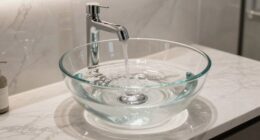
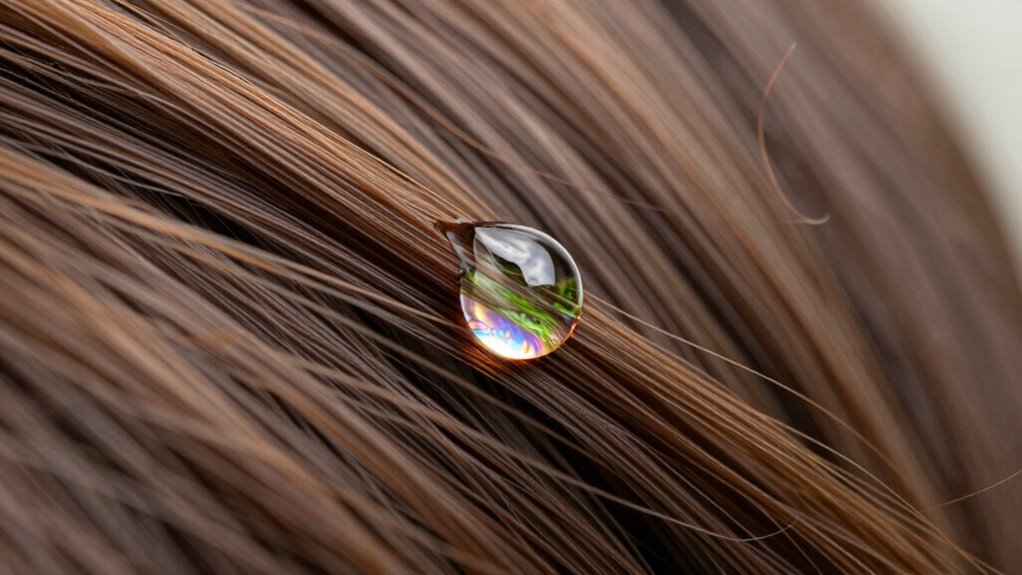

Your water quality plays a quiet but essential role in how your hair feels. Minerals like calcium and magnesium can build up, making hair feel rough, dull, and unmanageable. An unbalanced pH can cause frizz or dullness, while poor water quality can strip moisture and damage your hair’s natural shine. Using proper water filters and testing your water helps maintain healthy, vibrant hair. To discover how to optimize your water for better hair, keep exploring.

Turn your quiet moments into listening time
- Thousands of audiobooks, podcasts and originals
- Listen on your phone, tablet or Echo — also offline
- Cancel anytime
Key Takeaways
- Water quality affects mineral buildup on hair, influencing its softness and manageability.
- Proper pH balance in water maintains cuticle health, enhancing shine and smoothness.
- Mineral deposits from water can cause dullness and dryness, reducing hair vibrancy.
- Filtration and testing improve water quality, leading to softer, healthier hair over time.
- Well-balanced water prevents damage to hair cuticles, preserving natural resilience and appearance.
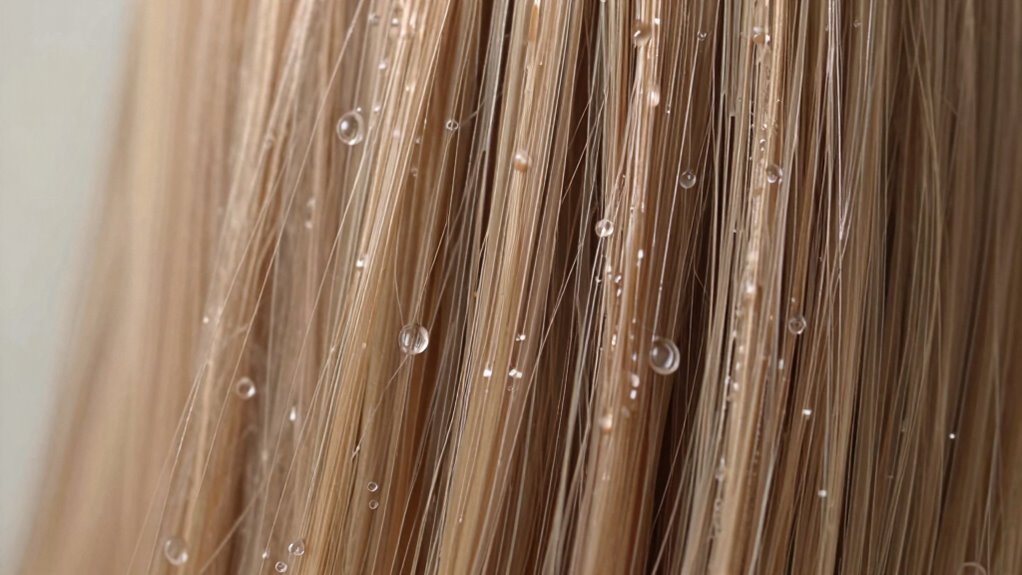
The quality of water you use for washing your hair directly influences how it feels afterward. When your water contains high levels of mineral deposits like calcium and magnesium, it can leave your hair feeling rough, dry, and unmanageable. These mineral deposits tend to accumulate on the hair shaft, creating a buildup that weighs hair down and diminishes its natural shine. Over time, this buildup can also lead to scalp irritation, making your hair feel dull and lifeless. Conversely, soft water, which has fewer minerals, helps your hair retain its natural moisture, leaving it feeling softer, smoother, and healthier.
Another critical factor is the pH balance of your water. Ideally, water used for washing your hair should be close to a neutral pH of 7. When water is too alkaline or too acidic, it disrupts your hair’s natural pH balance — which is slightly acidic, around 4.5 to 5.5. If the water skews too alkaline, it can lift the hair cuticle too much, making your hair feel brittle, frizzy, and prone to breakage. On the other hand, overly acidic water can cause the cuticle to tighten excessively, leading to dullness and difficulty in managing your hair. Proper pH balance ensures your hair remains smooth, shiny, and resilient.
When you wash your hair with water that has high mineral deposits or an unbalanced pH, it becomes more difficult to achieve that fresh, clean feeling. You might notice that no matter how often you wash, your hair still feels coated or weighed down. This is because mineral deposits cling to the hair shaft, trapping dirt and oils, while unbalanced pH levels damage the cuticle layer, impairing your hair’s ability to reflect light and retain moisture. Over time, these issues can cause your hair to lose its natural softness and vibrancy. Additionally, water mineral content can influence the longevity of hair color treatments, affecting their vibrancy and durability.
To combat these effects, consider using water filters designed to reduce mineral deposits and stabilize pH levels. These filters can dramatically improve the overall quality of water you use at home. Regularly testing your water’s pH can also help you identify issues before they become significant problems. Keep in mind that even minor adjustments to water quality can make a noticeable difference in how your hair feels—so investing in better water quality benefits your hair’s health, appearance, and manageability. Additionally, controlling water mineral content through filtration can further enhance hair health. Ultimately, understanding and improving your water quality helps you maintain a healthier, more beautiful head of hair with every wash.
water filter for hair mineral removal
As an affiliate, we earn on qualifying purchases.
As an affiliate, we earn on qualifying purchases.
Frequently Asked Questions
How Does Water Hardness Affect Scalp Health?
Hard water can negatively impact your scalp health by causing mineral buildup, which clogs hair follicles and irritates your skin. It also leads to a pH imbalance, making your scalp more prone to dryness or oiliness. This disruption can cause itchiness, dandruff, and discomfort. To protect your scalp, consider using a water softener or clarifying shampoos that help remove mineral deposits and restore a healthy pH balance.
Can Water Quality Impact Hair Color Longevity?
Yes, water quality can impact your hair color longevity. When water has a high pH or mineral buildup, it can cause hair color to fade faster. Hard water, rich in minerals, leaves deposits that dull your hair’s vibrancy. Using a water filter or clarifying shampoo helps remove mineral buildup, preserving your hair color longer. Keep an eye on water pH levels to maintain ideal hair health and color retention.
Does Water Temperature Influence Hair Feel?
Yes, water temperature influences how your hair feels. Hot water opens the hair cuticles, leading to increased mineral buildup and stripping natural oils, making hair feel dry and coarse. Cold water, on the other hand, helps close cuticles, preserving moisture and enhancing softness. Keep an eye on water pH too; balanced pH prevents damage, ensuring your hair remains smooth, shiny, and manageable.
Are There Specific Minerals in Water That Damage Hair?
Certain minerals, like calcium and magnesium, can damage your hair by causing buildup, making it feel dull and weighed down. Water contaminants, such as chlorine and heavy metals, also harm your hair’s health by stripping natural oils and weakening strands. You should be aware of these elements because they can lead to dryness, brittleness, and frizz. Protect your hair by using water filters or clarifying treatments to minimize mineral buildup and contaminants.
How Often Should I Test My Water for Hair Care?
You should test your water for hair care every six months to a year, especially if you notice changes in your hair’s feel or health. Regular water testing helps identify minerals or contaminants that could impact your hair treatment routine. By staying on top of water quality, you can make informed adjustments, use appropriate hair care products, and protect your hair from damage caused by hard water or pollutants.
pH balancing water filter for hair
As an affiliate, we earn on qualifying purchases.
As an affiliate, we earn on qualifying purchases.
Conclusion
Remember, you are only as good as the water you wash with. Water quality plays a quiet but essential role in how your hair feels—affecting softness, shine, and manageability. Don’t overlook this simple factor; sometimes, a small change can make a big difference. Keep in mind the saying, “A chain is only as strong as its weakest link.” Prioritize good water quality, and your hair will thank you with every strand.
As an affiliate, we earn on qualifying purchases.
As an affiliate, we earn on qualifying purchases.
Fall Picks
fall essentials
As an affiliate, we earn on qualifying purchases.