
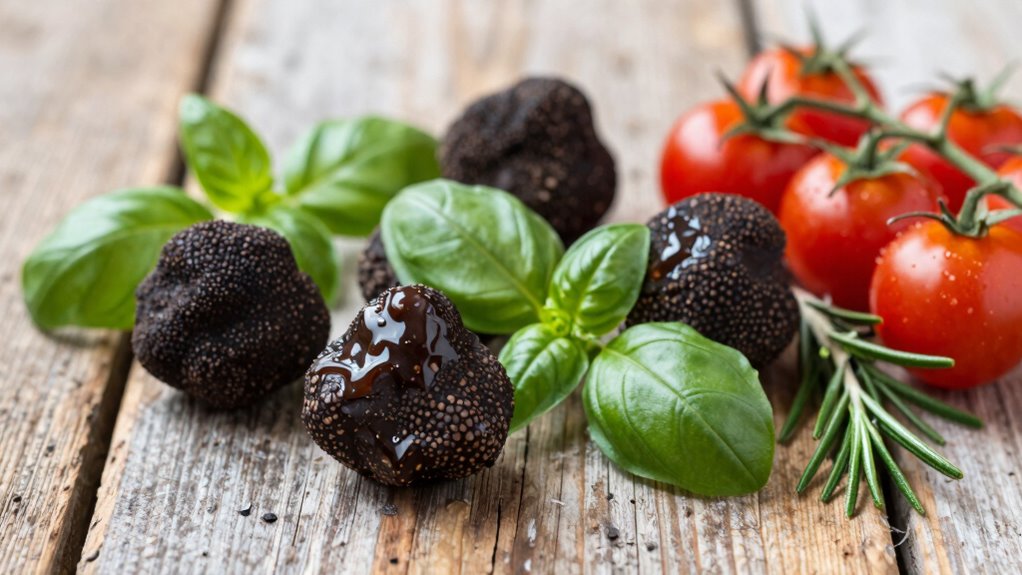

“Rich” isn’t an ingredient category because it’s a description of a sensory experience, not a specific food. It refers to a flavor profile that evokes fullness, indulgence, and depth, which can come from various ingredients like cream, butter, cheese, or slow-cooked meats. By understanding this, you recognize that richness is about the overall feeling and taste, not a single component. Keep exploring, and you’ll discover how different ingredients can create that satisfying sense of richness in your dishes.
Prime for Young Adults — start your free trial
Fast free delivery, streaming and member deals for eligible 18–24 year olds.
As an affiliate, we earn on qualifying purchases.
Key Takeaways
- “Rich” describes a sensory experience, not a specific ingredient or food category.
- It encompasses various flavors, textures, and techniques that create fullness and indulgence.
- Multiple ingredients like cream, butter, or slow-cooked meats can contribute to a dish’s richness.
- “Rich” emphasizes the overall flavor profile, not the particular components used.
- Recognizing “rich” as a descriptor allows for flexible ingredient choices and culinary creativity.
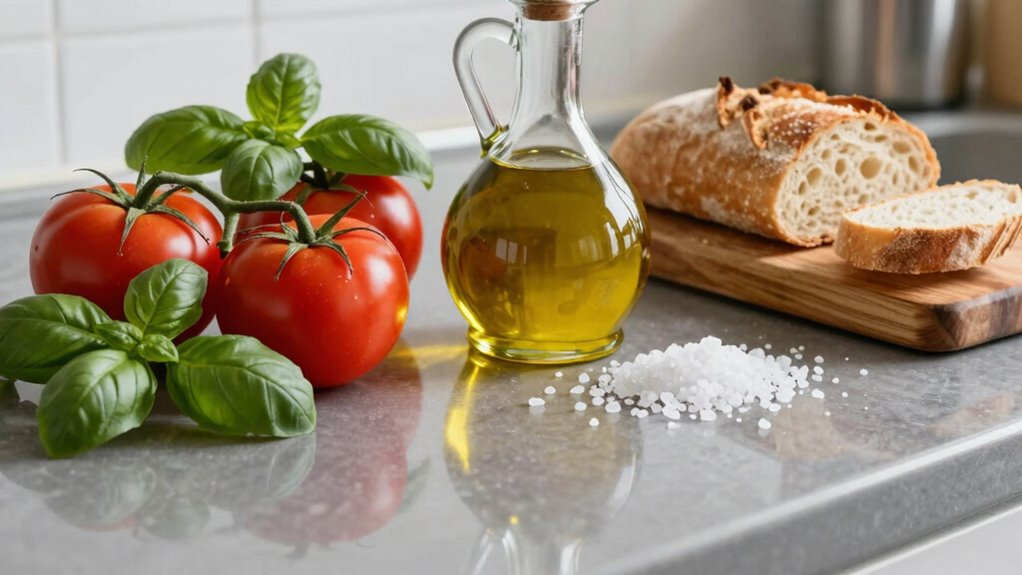
When you see recipes or ingredient lists, you might notice the term “rich” used to describe flavors or textures, but it’s not actually an ingredient category. Instead, “rich” refers to a sensory experience that combines depth, fullness, and often a creamy or indulgent quality in a dish. It’s a descriptor that helps you understand what the dish might taste or feel like, but it doesn’t point to a specific ingredient you can add or subtract. Recognizing this distinction is important because it influences how you approach cooking and ingredient choices.
Flavor profiles are central to understanding what makes a dish “rich.” Think about the characteristics of a dish labeled as rich: it might have a buttery, velvety texture or a deep, savory taste. These profiles often come from ingredients like cream, butter, cheese, or slow-cooked meats—things that bring a sense of fullness and warmth to your palate. When you aim for a rich flavor profile, you’re balancing various ingredients to evoke a sensation of indulgence without necessarily increasing calorie content or nutritional value. That’s because a dish can be rich in flavor but still contain healthy ingredients, or conversely, it can be loaded with fats and sugars that boost nutritional concerns.
Rich flavors come from ingredients like cream, butter, cheese, or slow-cooked meats that evoke fullness and indulgence.
Understanding the role of specific ingredients in creating a sense of richness can help you make more mindful choices in your cooking. For example, exploring how certain techniques or ingredients contribute to richness can expand your culinary repertoire. Additionally, recognizing the nutritional profile of these ingredients allows you to tailor dishes to meet your health goals. Incorporating alternative or healthier ingredients that provide similar sensory experiences can help you enjoy rich flavors while maintaining nutritional balance. Ultimately, “rich” is a versatile descriptor that helps you anticipate a certain sensory experience, but it’s not a concrete ingredient. It’s about the combination of flavor profiles that evoke fullness and indulgence, which can be achieved through various ingredients with different nutritional profiles. Recognizing this makes you a more mindful cook, enabling you to create dishes that are flavorful, satisfying, and aligned with your nutritional goals.
As an affiliate, we earn on qualifying purchases.
Frequently Asked Questions
How Is “Rich” Typically Used in Culinary Descriptions?
You’ll notice that “rich” is often used in culinary descriptions to convey a sense of flavor intensity and a luxurious mouthfeel. It highlights the deep, full-bodied taste and the smooth, velvety texture contrast that makes dishes feel indulgent. When chefs describe a sauce or dessert as rich, they’re emphasizing the boldness of flavors and the satisfying, weighty texture that elevates the overall experience.
Can “Rich” Refer to Both Flavor and Texture?
Yes, “rich” can refer to both flavor profiles and textural qualities. When you describe a dish as rich, you’re highlighting its deep, indulgent flavors and often its creamy, smooth, or fatty textures. This term helps convey a sense of fullness and luxuriousness, emphasizing how the flavors and textures work together to create an overall decadent experience. So, “rich” captures both what you taste and how it feels on your palate.
Are There Other Non-Ingredient Categories in Cooking?
Think of culinary categories as a toolbox, not just ingredients. Besides ingredients, you have alternative culinary categories like cooking methods, flavors, and textures. Non-ingredient descriptors such as ‘spicy,’ ‘sweet,’ or ‘crunchy’ help you paint a vivid picture of a dish. These categories guide your cooking and tasting experience, making your dishes more dynamic and appealing without relying solely on the ingredients themselves.
How Do Marketers Use “Rich” to Promote Products?
Marketers use “rich” in marketing language to evoke sensory appeal and create a craving for their products. You might notice they emphasize the texture, flavor, or aroma to suggest a luxurious experience. They paint a picture that appeals to your senses, making you associate the product with indulgence and satisfaction. This strategy taps into your desire for comfort and richness, encouraging you to choose their product over competitors.
What Are Common Misconceptions About “Rich” Ingredients?
You might think “rich” ingredients are just about flavor, but cultural interpretations vary widely, affecting how people perceive them. Some see richness as indulgent or luxurious, while others associate it with heaviness or unhealthy qualities. It’s a misconception that all “rich” ingredients are bad for health; in reality, they can be nutritious. Always consider cultural context and health implications before labeling ingredients as simply “rich.”
butter and cheese gourmet ingredients
As an affiliate, we earn on qualifying purchases.
As an affiliate, we earn on qualifying purchases.
Conclusion
So, next time you hear a dish described as “rich,” remember it’s not a specific ingredient but a flavor profile that can include anything from butter to cream. Curiously, a survey found that 78% of chefs consider “rich” as a subjective term, highlighting how personal taste shapes our perception of flavor. Instead of focusing on the label, pay attention to the ingredients and balance—your taste buds will thank you for it.
As an affiliate, we earn on qualifying purchases.
As an affiliate, we earn on qualifying purchases.
NFL season / tailgating Picks
team gear
As an affiliate, we earn on qualifying purchases.