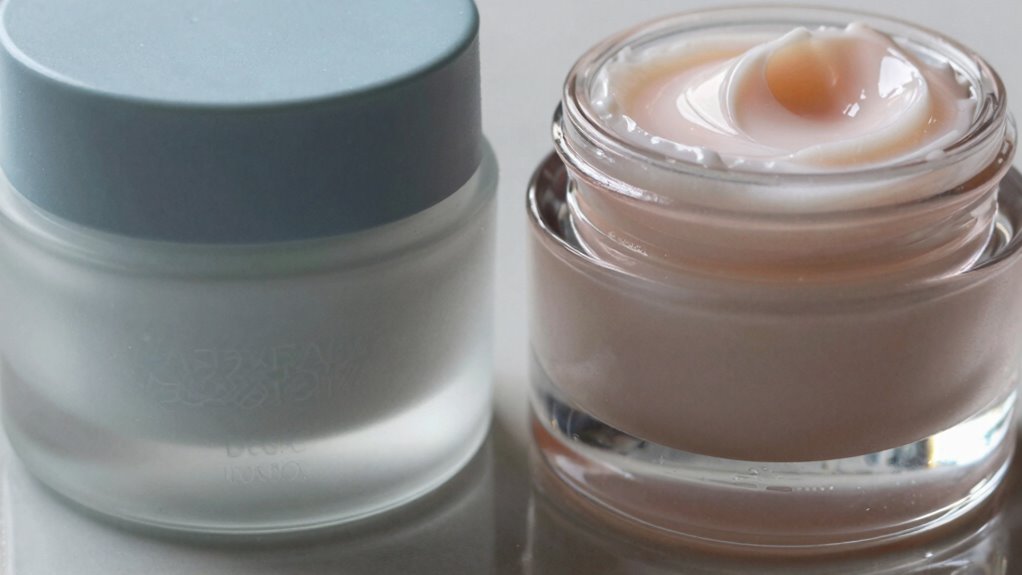

Two moisturizers with similar claims can feel different because their ingredients interact uniquely with your skin’s chemistry. Light oils, silicones, or emollients may feel heavy or silky depending on your skin type and sensitivity. Fragrances or alcohols can cause irritation or discomfort, especially if your skin is sensitive. Understanding how ingredients work together helps explain these differences. If you want to know what makes your moisturizer feel just right, keep exploring how formulation and skin compatibility play a role.
Open a free Amazon Business account
Business pricing, bulk buying and tax-exempt orders.
As an affiliate, we earn on qualifying purchases.
Key Takeaways
- Ingredient formulations, such as silicones or emollients, interact differently with individual skin types, affecting texture and feel.
- Variations in ingredient concentrations and blending impact how a moisturizer feels on the skin.
- Additional components like fragrances or alcohols can cause differing sensations or irritation levels.
- The presence of lightweight vs. heavy ingredients influences whether a product feels silky, greasy, or lightweight.
- Skin’s unique chemistry and moisture needs determine how a moisturizer’s formulation is perceived.

Even though two moisturizers might boast similar claims—like hydrating and smoothing your skin—they can feel completely different once you apply them. This difference often comes down to how their ingredients interact with your skin and how well they match your specific skin type considerations. Not all moisturizers are created equal, even if they promise to do the same thing. What works beautifully for someone else might not work at all for you, and that’s largely because of ingredient compatibility and your skin’s unique needs.
Different moisturizers feel different on your skin—personal compatibility and skin type are key to finding the right one.
When choosing a moisturizer, you need to pay attention to ingredient compatibility. Some ingredients can feel heavy or greasy on certain skin types, while others might absorb quickly and leave your skin feeling fresh. For instance, if you have oily or acne-prone skin, a moisturizer with heavy emollients like mineral oil or petrolatum might feel suffocating, even if it’s designed to hydrate. Conversely, if you have dry or sensitive skin, those same ingredients might be exactly what your skin needs to lock in moisture. Understanding how different ingredients interact with your skin helps you select products that feel right rather than just look good on the label.
Your skin type considerations are equally important. If you have oily skin, you might prefer a lightweight, gel-based moisturizer that provides hydration without clogging pores. If your skin is dry or flaky, a richer, cream-based product with humectants like hyaluronic acid or glycerin can provide the deep moisture you need. Sensitive skin types should look for calming ingredients like aloe vera or chamomile and avoid fragrances or alcohols that could cause irritation. When you match your moisturizer to your skin type, it’s easier to avoid feelings of greasiness, tightness, or irritation, making the product feel more comfortable and effective. Additionally, understanding your skin’s specific needs helps you make more informed decisions and avoid adverse reactions.
Even if two moisturizers claim to hydrate and smooth, their feel on your skin depends on these factors. A product that contains silicones, for example, might leave a silky, velvety finish on one person but feel heavy or sticky on another. Similarly, formulations with added fragrances might smell appealing but cause discomfort if your skin is sensitive. Additionally, ingredient interactions can influence how the product feels and performs, making it essential to understand your skin’s unique characteristics. The key is understanding your skin’s unique characteristics and reading ingredient lists carefully. When you consider ingredient compatibility and your individual skin type considerations, you’re more likely to find a moisturizer that feels just right—hydrating, smoothing, and comfortable all day long.
As an affiliate, we earn on qualifying purchases.
Frequently Asked Questions
How Do Ingredients Impact Moisturizer Texture and Feel?
Ingredients directly influence a moisturizer’s texture and feel through their interactions and the formulation techniques used. For example, emollients and occlusives create a rich, greasy sensation, while lightweight humectants provide a smooth, cooling touch. The way ingredients are combined and stabilized affects absorption and lasting comfort. So, even if two moisturizers claim similar benefits, their ingredient interactions and formulation methods can make their textures feel entirely different on your skin.
Can Packaging Affect the Moisturizer’s Efficacy or Sensation?
Packaging can definitely impact your moisturizer’s efficacy and sensation. Packaging innovation, like air-tight pumps, keeps ingredients fresh and prevents contamination, boosting effectiveness. Additionally, scent influence from packaging materials or design can enhance your sensory experience, making the moisturizer feel more luxurious or comforting. Conversely, poorly designed containers might cause product waste or degrade ingredients, reducing benefits. So, thoughtful packaging plays a key role in how your moisturizer performs and feels.
Do Personal Skin Types Influence Moisturizer Perception?
Yes, your skin type influences how you perceive moisturizers. If you have sensitive skin, you might find certain formulas irritating or drying, even if they claim to be gentle. Personal preferences also play a role; some people prefer lightweight, fast-absorbing textures, while others like richer creams. Understanding your skin sensitivity helps you choose products that feel comfortable and effective, ensuring your moisturizer aligns with your unique needs.
How Does Climate Alter Moisturizer Performance?
Climate can totally change how your moisturizer feels and works! Environmental factors like humidity, temperature, and wind can make a product’s formulation stability wobble, causing it to feel greasy, dry, or ineffective. In hot, humid weather, lightweight formulas work better, while cold, dry climates demand richer creams. So, adapting your moisturizer to the climate isn’t just smart—it’s essential for keeping your skin happy and protected.
Are There Hidden Ingredients That Change How Moisturizers Feel?
Yes, hidden ingredients can affect how moisturizers feel by influencing ingredient interactions and formula stability. For example, certain preservatives or emulsifiers may create a lighter or heavier texture, depending on how they interact with other ingredients. Even small changes in formulation can alter absorption and feel on your skin. So, ingredients that seem similar might behave differently because of these subtle interactions, impacting your overall experience with each moisturizer.
gel-based moisturizer for oily skin
As an affiliate, we earn on qualifying purchases.
As an affiliate, we earn on qualifying purchases.
Conclusion
So, next time you reach for a moisturizer, remember: similar claims don’t guarantee the same experience. One product might feel silky and lightweight, while another feels thick and greasy—even if they promise similar benefits. It’s all about ingredients, formulation, and your skin’s unique needs. Don’t settle for just the label; test, feel, and choose what truly works for you. Because in skincare, what feels right is just as important as what’s promised.
rich cream moisturizer for dry skin
As an affiliate, we earn on qualifying purchases.
As an affiliate, we earn on qualifying purchases.
moisturizer with hyaluronic acid
As an affiliate, we earn on qualifying purchases.
As an affiliate, we earn on qualifying purchases.
Fall Picks
fall essentials
As an affiliate, we earn on qualifying purchases.