
Dimethicone is often misunderstood as a harmful ingredient, but it’s actually safe and beneficial for your skin and hair. It creates a breathable barrier that locks in moisture, smooths frizz, adds shine, and improves texture without clogging pores or causing buildup. Its lightweight nature makes it suitable for all skin and hair types. If you explore further, you’ll discover how this versatile ingredient can elevate your beauty routine and address common concerns.
Key Takeaways
- Dimethicone forms a breathable barrier that locks in moisture and protects skin and hair without clogging pores.
- It enhances product texture, making creams and serums smoother and easier to apply.
- As an inert ingredient, it does not penetrate deeply, reducing concerns about safety or buildup.
- It effectively tames frizz and flyaways, providing a sleek, shiny appearance for hair.
- Properly used, dimethicone is safe, non-comedogenic, and beneficial in achieving smooth, polished skin and hair.
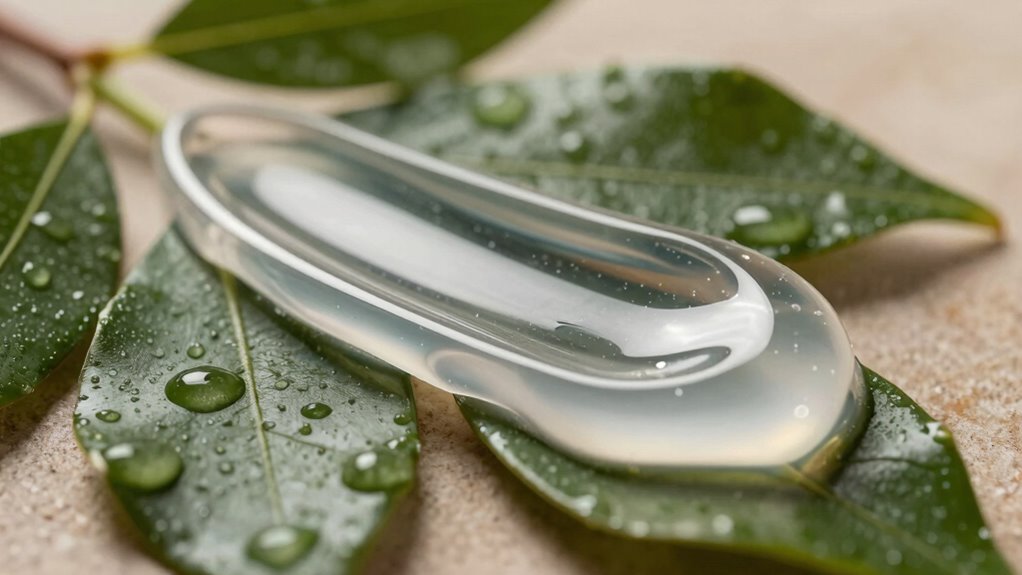
Have you ever wondered what gives your skincare products their smooth, silky feel? That luxurious sensation often comes from ingredients like dimethicone, a type of silicone that’s been both praised and misunderstood. Silicone skincare, which includes dimethicone, is widely used in creams, serums, and lotions because it creates a barrier on the skin’s surface, locking in moisture and giving products that velvety finish. It’s a versatile ingredient that helps your skin look and feel smoother, but many people hesitate to include it in their routines, fearing it might clog pores or cause breakouts. The truth is, when used correctly, dimethicone is safe, non-comedogenic, and effective at delivering that desirable silky texture.
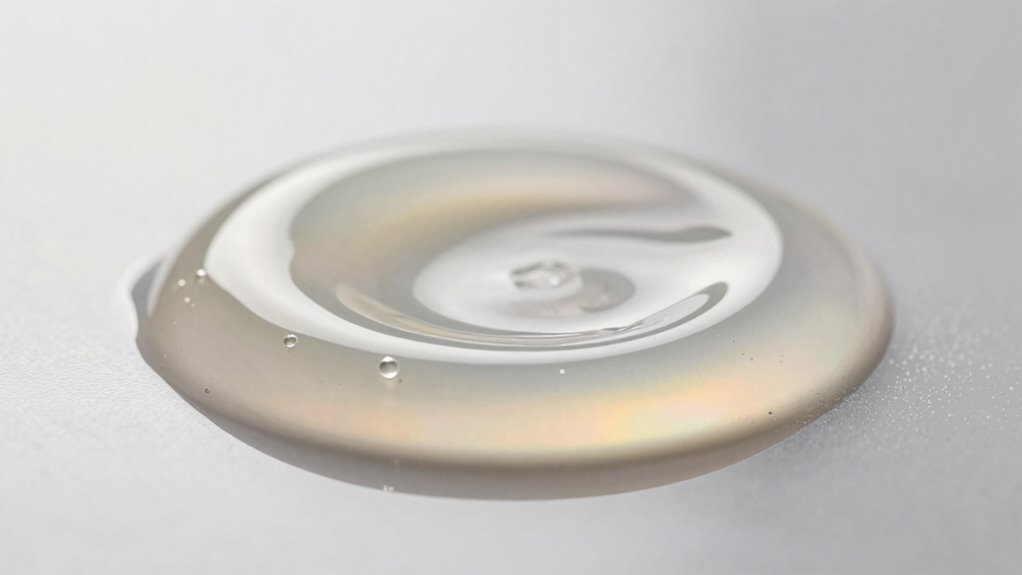
Dimethicone creates a silky, smooth barrier on skin, locking in moisture without clogging pores when used properly.
In hair care, dimethicone is equally valued for its ability to smooth and tame frizz. It’s a key player in hair smoothing techniques, where it coats the hair shaft, smoothing down cuticles and reducing the appearance of flyaways. This creates a sleek, shiny finish that lasts longer and resists humidity. Whether you’re using a serum, leave-in conditioner, or heat protectant, dimethicone forms a protective barrier that prevents moisture loss and damage. It’s especially popular in styling products because it makes hair easier to manage and enhances shine without weighing it down. Many hair smoothing techniques rely on dimethicone to achieve a polished, frizz-free look quickly, making it a staple in salons and at-home routines alike.
Despite its benefits, some people assume silicone skincare and hair smoothing techniques are harmful or temporary fixes. However, research shows that dimethicone is inert and doesn’t penetrate deeply into the skin or hair. Instead, it sits on the surface, forming a breathable barrier that shields from environmental damage and helps retain moisture. This means it won’t clog pores or cause buildup if used appropriately. Plus, its lightweight texture makes it suitable for all skin types, including sensitive skin. When you see dimethicone listed among ingredients, don’t dismiss it as a bad guy—consider how it contributes to the product’s texture, application, and overall effectiveness. formulation stability is another important aspect that makes dimethicone a popular choice in many products.
In essence, dimethicone plays a essential role in delivering that smooth, silky feel you love in your skincare and haircare products. It’s an ingredient that enhances application, improves texture, and provides a protective layer that benefits your skin and hair. So next time you reach for a product with silicone skincare or try a new hair smoothing technique, remember that dimethicone isn’t your enemy; it’s a reliable ally for achieving that sleek, polished look. Its reputation might be misunderstood, but when used thoughtfully, it’s a powerful tool in your beauty arsenal.
Frequently Asked Questions
Is Dimethicone Safe for Sensitive Skin Types?
Yes, dimethicone is generally safe for sensitive skin types. You usually won’t experience skin irritation, as it forms a protective barrier that locks in moisture without clogging pores. However, if you have a history of allergies, there’s a slight allergy risk, so it’s wise to do a patch test first. Most people find it gentle and soothing, making it a popular ingredient in products for sensitive skin.
Can Dimethicone Cause Breakouts or Acne?
Like a modern-day Icarus, you might worry dimethicone causes breakouts or acne. But, in reality, it’s a non-comedogenic ingredient, meaning it’s unlikely to clog pores or harm your skin. Its ingredient safety profile is well-established, making it suitable even for sensitive skin. While some may experience breakouts, it’s usually due to other ingredients or skin reactions, not dimethicone itself. Rest assured, it’s generally safe and unlikely to cause pore clogging.
How Does Dimethicone Affect Skin Barrier Health?
Dimethicone enhances your skin barrier health by providing excellent barrier protection, sealing in moisture and preventing environmental damage. It offers moisturizing benefits by creating a breathable layer that keeps your skin hydrated without clogging pores. This ingredient helps maintain your skin’s integrity, reducing irritation and dryness. Overall, dimethicone supports a healthy skin barrier, making your skin feel smoother, softer, and more resilient against daily stressors.
Is Dimethicone Environmentally Friendly and Biodegradable?
Dimethicone isn’t considered environmentally friendly because of biodegradability concerns, as it can persist in the environment for a long time. You might want to look for eco-friendly alternatives like plant-based silicones or natural oils that break down more easily. Being aware of these options helps you make greener choices in your skincare and cosmetic products, reducing your environmental impact and supporting sustainability efforts.
Are There Natural Alternatives to Dimethicone?
Yes, you can find natural alternatives to dimethicone, like plant-based emollients such as coconut oil, jojoba, and shea butter, which soothe and smooth your skin naturally. Mineral oil alternatives like argan oil or sunflower seed oil also work well. These options are eco-friendly, biodegradable, and free from synthetic chemicals, making them a better choice if you’re seeking gentle, natural ingredients to achieve similar smoothing effects without relying on synthetic silicones.
Conclusion
Don’t let misconceptions stop you from enjoying the smooth, silky skin dimethicone offers. Think of it as a gentle shield that smooths out rough patches and keeps moisture in, much like a clear coat of paint that protects and enhances a surface. When you embrace dimethicone, you’re layering your skin with a lightweight, effective barrier—no greasy feel, just flawless radiance. Give it a chance, and you’ll see your skin transform into its most radiant, velvety self.