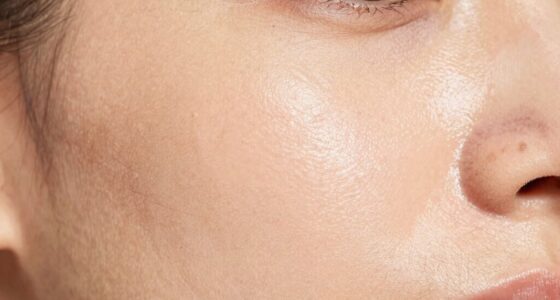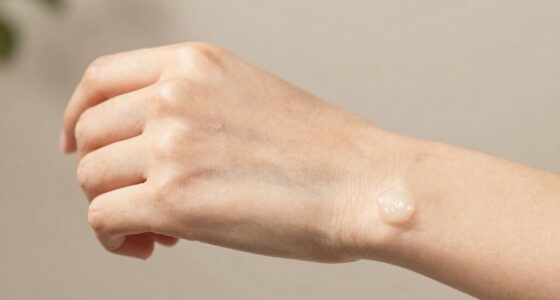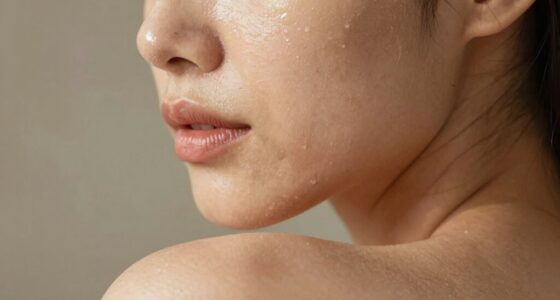

Dryness means your skin lacks oils or sebum, making it feel tight, flaky, and rough, especially after washing or harsh weather. Dehydration, however, is a water loss that leaves your skin dull, tight, and with fine lines, and can happen regardless of skin type. Irritation involves redness, itchiness, or burning, often caused by sensitivities or barrier damage. Understanding these differences helps you choose the right ingredients; continue onward to uncover more about keeping your skin balanced.

Turn your quiet moments into listening time
- Thousands of audiobooks, podcasts and originals
- Listen on your phone, tablet or Echo — also offline
- Cancel anytime
Key Takeaways
- Dryness involves a lack of skin oils, causing roughness and flakiness, while dehydration is water loss leading to dullness and fine lines.
- Irritation is an inflammatory response, often from allergens or harsh ingredients, causing redness, burning, or sensitivity.
- Hydrating ingredients like hyaluronic acid target dehydration, whereas oils like shea butter address dryness; irritation requires calming agents.
- Dehydration is temporary and reversible with water and humectants, but dryness may persist without oil-based moisturizers.
- Recognizing signs helps choose appropriate treatments: hydration for dehydration, emollients for dryness, and soothing ingredients for irritation.
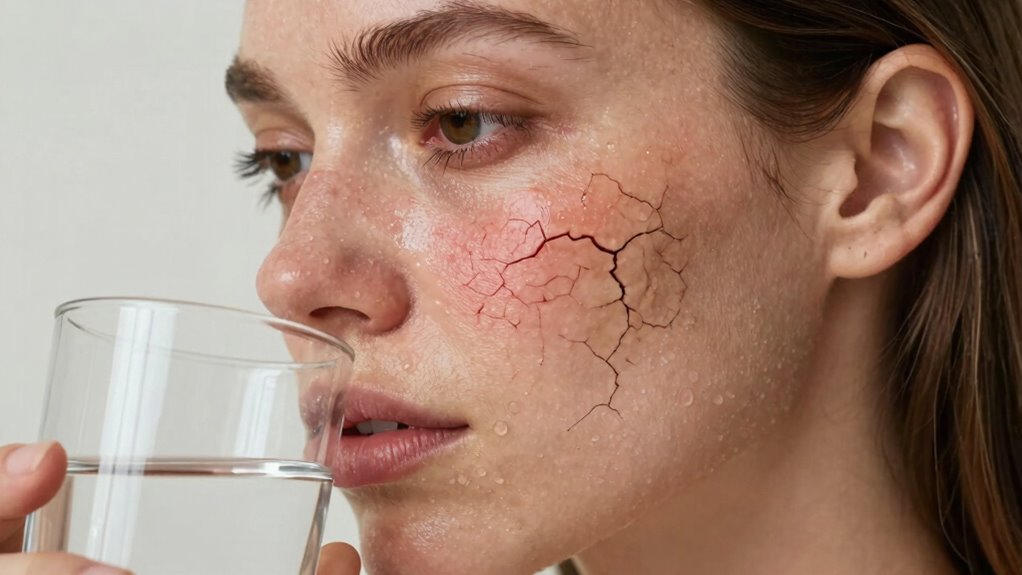
Understanding the difference between dryness, dehydration, and irritation is vital for properly caring for your skin. Many people mistake these issues for each other, but knowing what’s happening on your skin helps you choose the right treatments. If you have sensitive skin, this becomes even more important because your skin can react more intensely to the wrong skincare ingredients or environmental triggers. Each condition has distinct signs and causes, so recognizing them will guide you toward effective solutions. Recognizing how these conditions relate to biodiversity and sustainable living can also encourage more eco-friendly skincare choices that support healthier skin and the environment. Dryness is primarily a skin type or condition where your skin lacks enough natural oils or sebum. When your skin is dry, it often feels tight, rough, or flaky. You might notice redness or itchiness, especially after washing or exposure to harsh weather. The key to managing dryness is using skincare ingredients that replenish oils and lock in moisture, such as occlusive agents like petrolatum or emollients like shea butter. For sensitive skin, it’s vital to avoid ingredients that can strip oils further, like alcohols or fragrances, which can worsen dryness and cause irritation. Instead, opt for gentle, nourishing products that restore your skin’s barrier without overwhelming it. Dehydration, on the other hand, is a loss of water from the skin, regardless of your skin type. It can happen due to environmental factors like cold weather, wind, or indoor heating, or from lifestyle choices such as inadequate water intake. When dehydrated, your skin may appear dull, feel tight, and show fine lines more prominently. The difference is that dehydration is temporary and can be corrected by increasing water intake and using hydrating skincare ingredients like hyaluronic acid or glycerin. These ingredients draw moisture into your skin, helping to plump it up and reduce the appearance of fine lines. Unlike dryness, dehydration doesn’t necessarily involve a lack of oils, so overloading on oils without hydrating ingredients won’t address dehydration effectively. It’s also important to consider skin barrier health, as a compromised barrier can exacerbate both dryness and irritation. Maintaining a healthy skin barrier involves supporting microbiome diversity, which can promote overall skin resilience and reduce sensitivity. Additionally, using gentle cleansing methods can prevent further disruption to your skin’s delicate balance. To soothe irritated skin, you need to avoid harsh ingredients like acids, alcohol, or fragrances and look for calming ingredients such as aloe vera, chamomile, or ceramides. These help restore the skin’s barrier and reduce inflammation. Recognizing whether you’re dealing with irritation, dryness, or dehydration ensures you select skincare that addresses your skin’s specific needs without making the problem worse.
As an affiliate, we earn on qualifying purchases.
Frequently Asked Questions
Can Skincare Products Effectively Distinguish Between Dryness and Irritation?
Skincare products can’t always perfectly distinguish between dryness and irritation, but their effectiveness depends on thoughtful product formulation and ingredient compatibility. You’ll notice that gentle, hydrating ingredients like hyaluronic acid soothe dryness, while calming ingredients like aloe help reduce irritation. Always choose products designed for sensitive skin, and read labels carefully. Consulting a dermatologist can help you find formulations tailored to your skin’s specific needs, avoiding ingredients that might worsen irritation or dryness.
Are Certain Skin Types More Prone to Dehydration Than Dryness?
Yes, your skin type can influence whether you’re more prone to dehydration or dryness. Oily skin might resist dehydration, while dry or sensitive skin often struggles with dehydration because it has lower hydration levels. Combination skin varies, but generally, all skin types can experience dehydration if hydration levels drop due to environmental factors or skincare habits. Recognizing your skin type helps tailor hydration routines to maintain balanced hydration levels.
How Do Environmental Factors Influence Skin Irritation Versus Dryness?
Environmental factors like harsh winds, cold temperatures, and seasonal variations can trigger skin irritation more than dryness. You might notice irritation flares up with exposure to these triggers, especially during winter or windy days. While dryness results from a lack of moisture, irritation often involves inflammation caused by environmental triggers. Protect your skin with barrier creams and avoid prolonged exposure to extreme weather to reduce irritation, especially during seasonal shifts.
Is Dehydration Always Visible on the Skin’s Surface?
Dehydration isn’t always visible on your skin’s surface. You might notice rough skin texture or dullness, but your skin can be dehydrated without obvious signs. Dehydration reduces your skin’s moisture levels, making it look and feel dry even if it doesn’t appear flaky or tight. To determine if you’re dehydrated, assess your skin’s moisture levels and texture; if they feel off, hydration boosts can help restore balance.
Can Diet Impact Skin Dryness and Irritation Levels?
Think of your skin as a garden; what you feed it matters. Yes, your diet impacts dryness and irritation. Nutritional deficiencies can leave your skin parched, like a plant starved of water. Incorporate hydrating foods—think cucumbers, watermelon, and oranges—to nourish from within. Eating well helps restore your skin’s natural barrier, reducing dryness and irritation, and keeps your complexion vibrant and resilient against environmental stressors.
shea butter moisturizer for dry skin
As an affiliate, we earn on qualifying purchases.
As an affiliate, we earn on qualifying purchases.
Conclusion
Understanding the subtle differences between dryness, dehydration, and irritation helps you care for your skin more effectively. While dryness and dehydration may seem similar, they demand different remedies—one needs moisture, the other hydration. Irritation, however, requires soothing and protection. Recognizing these distinctions lets you avoid unnecessary treatments and tailor your skincare routine with intention. In the end, knowing what your skin truly needs transforms a routine into a relationship—one built on awareness, not assumptions.
calming skincare for sensitive skin
As an affiliate, we earn on qualifying purchases.
As an affiliate, we earn on qualifying purchases.
oil-free moisturizer for dehydration
As an affiliate, we earn on qualifying purchases.
As an affiliate, we earn on qualifying purchases.
Halloween Picks
halloween
As an affiliate, we earn on qualifying purchases.