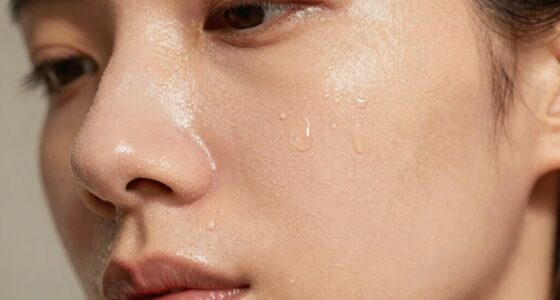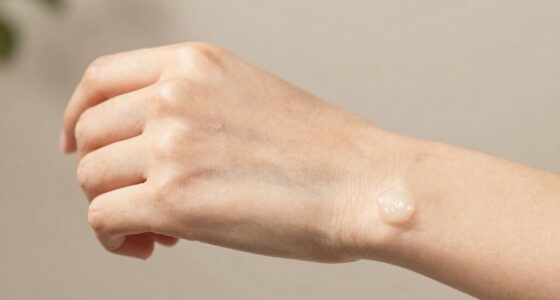


Heat causes your skin to tighten temporarily and speeds up collagen breakdown, leading to sagging over time. Wind strips moisture and creates micro-tears, reducing flexibility and causing premature aging signs. Indoor air dryness dehydrates your skin, weakens elasticity, and hampers recovery. Each element pulls your skin in different ways, weakening its structure and resilience. Stay with us to discover how these environmental factors affect your skin and what you can do to protect it.
Listen free for 30 days with Audible
Thousands of audiobooks and originals — cancel anytime.
As an affiliate, we earn on qualifying purchases.
Key Takeaways
- Heat causes skin to sweat and weaken collagen, leading to sagging and loss of firmness.
- Wind strips moisture and causes micro-tears, reducing skin elasticity and increasing dryness.
- Indoor air dryness depletes skin moisture, impairing resilience and accelerating aging signs.
- All elements exert different stresses, collectively weakening skin’s structural fibers over time.
- Recognizing these effects allows for targeted skincare to protect skin from environmental damage.
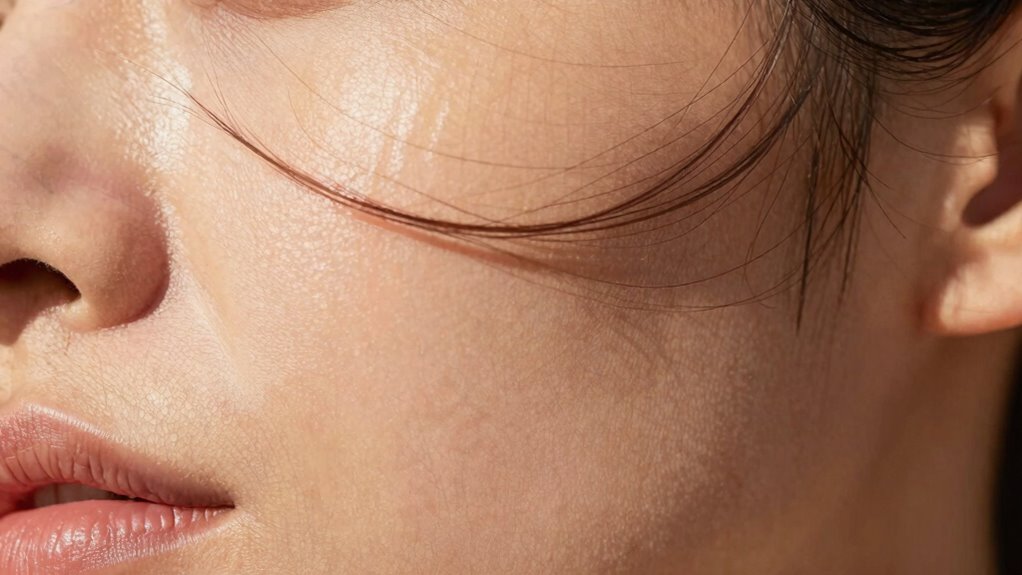
When heat, wind, and indoor air interact with your skin, they each pull in different directions, affecting how your skin feels and behaves. These environmental impacts can influence your skin’s elasticity, hydration levels, and overall health. Understanding how each element affects your skin helps you better protect and care for it in different conditions.
Heat causes your skin to sweat, which can temporarily make it feel tight and uncomfortable. Prolonged exposure to high temperatures accelerates the breakdown of collagen and elastin, the fibers responsible for maintaining your skin’s elasticity. As these fibers weaken, your skin loses its firmness and becomes more prone to sagging. The warmth also increases blood flow, which can lead to redness and inflammation, further compromising your skin’s structural integrity. When you’re in a hot environment, your skin’s ability to bounce back diminishes because the environmental impacts weaken its natural resilience, making it more susceptible to wrinkles and sagging over time.
Heat weakens collagen, causing sagging and increasing vulnerability to wrinkles over time.
Wind, on the other hand, pulls at your skin in a different way. Its dry, often cold air strips away moisture, leaving your skin dehydrated and dull. Wind’s continuous exposure can cause micro-tears in the outer layer of your skin, impairing its barrier function. This barrier is crucial for maintaining skin elasticity — when it’s compromised, your skin becomes less flexible and more prone to cracking or peeling. Wind also accelerates the loss of natural oils, which are vital for keeping your skin supple. As a result, your skin’s ability to stretch and return to its original shape diminishes, weakening its overall elasticity. Over time, frequent wind exposure can lead to premature aging signs, such as fine lines and sagging, because the environmental impacts keep tugging at your skin’s structural integrity. Additionally, wind-induced dehydration further exacerbates these effects by stripping away essential moisture, which is vital for maintaining healthy skin. A better understanding of environmental factors helps in choosing appropriate skincare strategies to counteract these effects.
Indoor air, often overlooked, also plays a significant role. Indoor environments with dry air—common in heated or air-conditioned spaces—strip moisture from your skin, making it less elastic and more prone to fine lines. Unlike outdoor elements, indoor air can be controlled, but poor ventilation and low humidity levels continuously pull moisture away from your skin. This lack of hydration hampers your skin’s ability to recover from daily stresses, weakening its elasticity over time. Moreover, indoor pollutants and allergens can cause inflammation and oxidative stress, which further damage collagen and elastin fibers. Even though indoor air may seem less harsh, it still pulls at your skin’s resilience, especially if you spend many hours in such environments without proper skincare. Indoor air quality can significantly influence your skin’s health and aging process, emphasizing the importance of proper environment management. Understanding the impact of air quality can help you take proactive steps to maintain healthier skin in indoor settings.
In all, these environmental impacts aren’t just superficial concerns—they influence your skin’s structural health. Each element pulls your skin in different ways, but the common result is a gradual decline in elasticity, making your skin less resilient and more vulnerable to aging signs. Recognizing these influences allows you to adapt your skincare routine and environmental habits to better protect your skin’s natural strength and vitality.
hydrating facial moisturizer for dry skin
As an affiliate, we earn on qualifying purchases.
As an affiliate, we earn on qualifying purchases.
Frequently Asked Questions
How Does Humidity Affect Skin Pulling From Heat and Wind?
Humidity fluctuations considerably impact how heat and wind pull on your skin. When humidity drops, your skin becomes more prone to dehydration, making it feel tighter and more pulled. Low humidity also worsens the effects of wind and heat, increasing skin dehydration and discomfort. Conversely, higher humidity helps retain moisture, reducing the skin’s pulling sensation. So, adjusting to humidity levels can ease the tension caused by environmental factors on your skin.
Can Indoor Air Quality Influence Skin Tightness?
Indoor air quality can considerably influence skin tightness. Did you know that indoor pollutants are linked to up to 60% of skin dehydration cases? Poor air quality can strip away moisture, causing your skin to feel tighter and less elastic. When indoor pollutants accumulate, they break down skin’s natural oils, leading to dehydration and a loss of firmness. Improving ventilation and reducing pollutants can help maintain your skin’s natural tightness and health.
Are Certain Skin Types More Affected by Wind and Heat?
Yes, certain skin types are more affected by wind and heat. If you have sensitive skin, environmental triggers like wind and heat can cause irritation, redness, and dryness. These conditions strip moisture and disrupt your skin’s barrier, making you more prone to discomfort. You should protect your skin with moisturizers and barrier repair products, especially if you notice increased sensitivity during hot, windy days or in heated indoor environments.
How Do Age and Skin Elasticity Impact Reactions to Indoor Air?
Think of your skin as a delicate canvas, vulnerable to aging effects and elasticity decline. As you age, your skin loses its bounce, making it more reactive to indoor air. You’ll notice increased dryness, fine lines, and sagging because your skin’s ability to bounce back diminishes over time. So, indoor air’s dryness pulls more on your skin, emphasizing these signs, and highlighting the importance of hydration and skincare routines tailored for mature skin.
What Skincare Tips Help Counteract Skin Pulling Effects?
To counteract skin pulling effects, you should focus on hydration routines that keep your skin plump and elastic. Use moisturizers with ingredients like hyaluronic acid and glycerin regularly. Additionally, apply protective barriers, such as creams with ceramides, to shield your skin from environmental stressors. Avoid harsh soaps and hot water, and always wear SPF indoors to prevent further damage. These steps help maintain skin strength and minimize pulling caused by air fluctuations.
As an affiliate, we earn on qualifying purchases.
Conclusion
Think of your skin as a delicate sail, catching different winds—heat, wind, indoor air—that tug from all directions. Each breeze influences its shape, stretching and pulling in unique ways. Just as a sailor adjusts to the shifting gusts, you can care for your skin by understanding these forces. Embrace the dance of elements, and let your skin find its balance amid the ever-changing winds, steering your health toward harmony.
As an affiliate, we earn on qualifying purchases.
indoor air humidifier for skin hydration
As an affiliate, we earn on qualifying purchases.
As an affiliate, we earn on qualifying purchases.
NFL season / tailgating Picks
team gear
As an affiliate, we earn on qualifying purchases.