
You might not realize that certain skincare ingredients like alcohol, fragrances, or active ingredients such as retinoids and vitamin C can cause redness. Environmental factors like pollution, sun exposure, and extreme weather also inflame your skin. Your daily habits, including over-cleansing, poor sleep, or stress, can worsen redness. Unexpected triggers like heat, hot showers, or scented products often go unnoticed. Keep exploring these hidden factors to better understand what’s affecting your skin’s sensitivity and redness.
Key Takeaways
- Hidden ingredient sensitivities, like fragrances or alcohol, can cause unexpected skin redness.
- Environmental factors such as pollution, UV rays, and extreme weather often trigger redness unnoticed.
- Poor sleep, over-cleansing, or harsh products disrupt your skin barrier, leading to increased redness.
- Stress and emotional triggers influence skin inflammation and flare-ups without obvious signs.
- Hot showers, heat sources, and scented products can provoke redness even if they seem harmless.
What Causes Skin Redness? Understanding Common Triggers
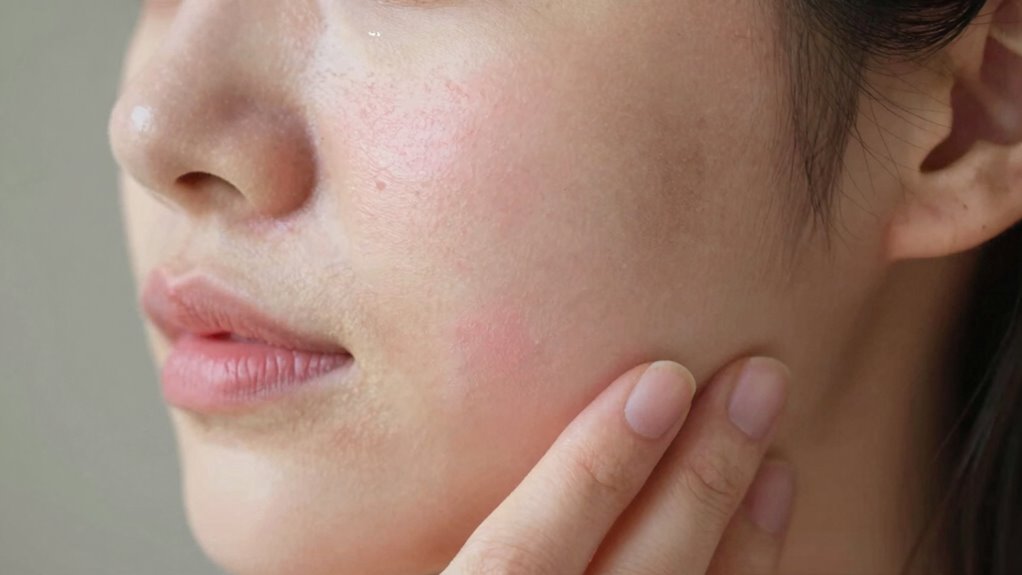
Skin redness can result from a variety of common triggers that you might encounter daily. If you have sensitive skin, even gentle products can cause irritation, leading to redness. Allergic reactions are another frequent cause; when your immune system overreacts to certain substances, your skin responds with inflammation and redness. Environmental factors like extreme temperatures, wind, or sun exposure also play a role. Additionally, harsh soaps or detergents can strip your skin of natural oils, causing irritation. Moreover, color accuracy in skincare products can influence how redness appears on your skin, making it look more prominent. Understanding these triggers helps you identify what might be causing your redness and avoid unnecessary flare-ups. By recognizing sensitive skin and allergic reactions as common culprits, you can better tailor your routine to keep your skin calm and healthy.
Which Skincare Ingredients Can Trigger Redness?
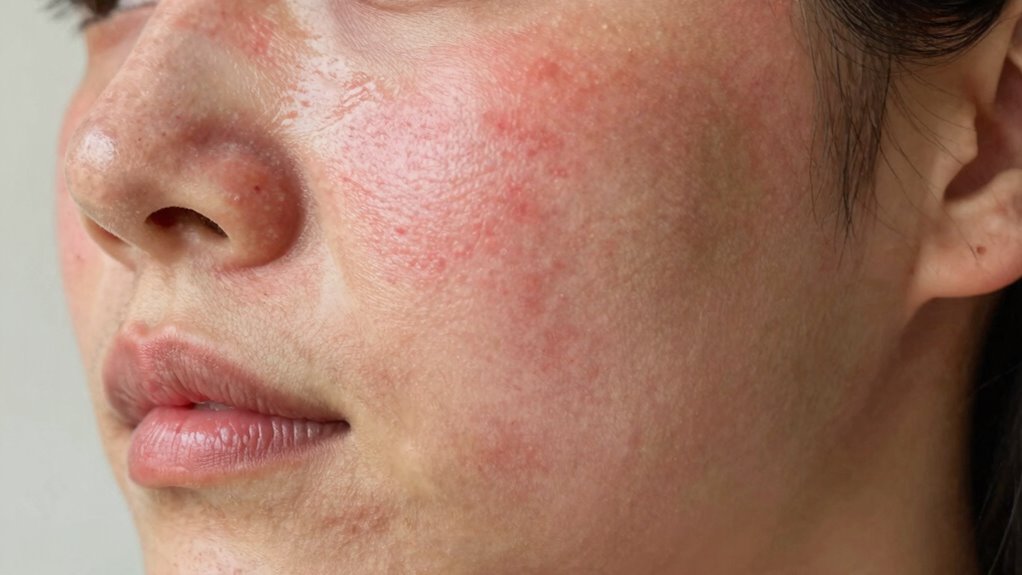
Certain skincare ingredients are known to trigger redness, especially in sensitive or reactive skin types. Common culprits include alcohol-based toners, fragrances, and harsh exfoliants like alpha hydroxy acids (AHAs) and beta hydroxy acids (BHAs). Some skincare ingredients, such as menthol or eucalyptus, can cause a burning sensation or redness reaction, even if they’re marketed as soothing. Preservatives like parabens and formaldehyde releasers may also irritate your skin, leading to increased redness. Additionally, certain active ingredients like retinoids or vitamin C can provoke a redness reaction if your skin isn’t used to them or if applied too aggressively. Being mindful of these ingredients helps you avoid unnecessary redness and keeps your skin calmer and healthier. Understanding ingredient sensitivities and recognizing potential irritants in your routine can further help prevent redness reactions.
How Do Environmental Factors Like Pollution and Climate Affect Your Skin?
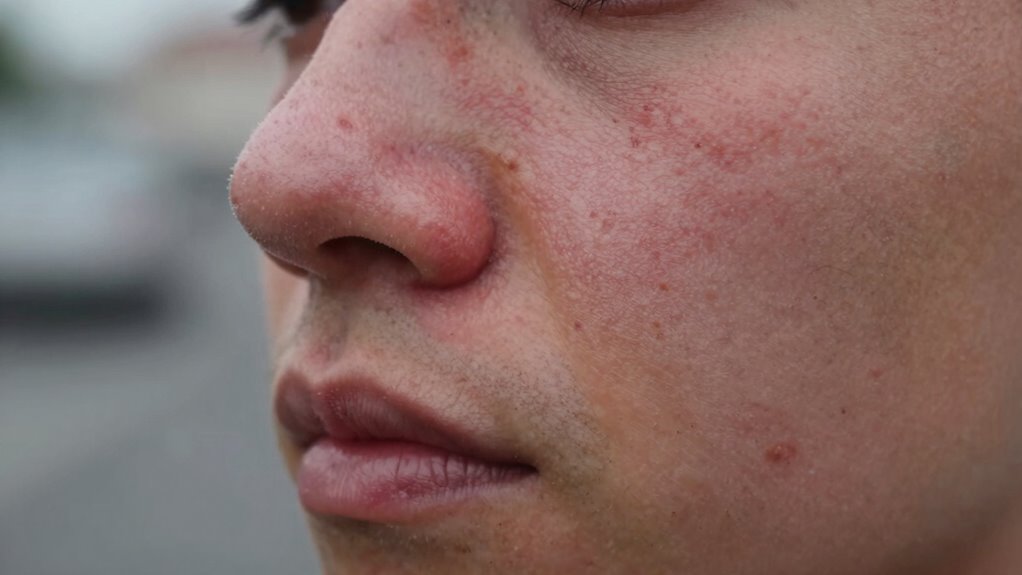
Have you ever noticed your skin becoming more reactive or irritated after spending time outdoors? Air pollution introduces toxins that can inflame your skin and weaken its barrier, making redness more likely. Filtration systems can help reduce indoor pollutants that contribute to skin irritation. UV radiation from the sun not only causes sunburn but also accelerates skin damage, leading to increased sensitivity and redness over time. These environmental factors generate free radicals, which break down collagen and impair your skin’s natural defenses. When exposed regularly, pollution and UV rays can cause inflammation, dryness, and irritation, making your skin more prone to redness. Protecting your skin with broad-spectrum sunscreen and barrier-strengthening skincare is essential. Being mindful of outdoor exposure helps reduce the impact of these environmental stressors, keeping your skin calmer and less reactive. Incorporating air quality considerations into your routine can further help minimize skin irritation caused by indoor pollutants. Additionally, using antioxidant-rich skincare products can neutralize free radicals and support your skin’s resilience against environmental damage. Understanding halal standards for skincare ingredients can also ensure that your products align with your values and safety preferences. Paying attention to environmental influences can help you better anticipate and prevent skin reactions related to pollution and climate.
What Daily Habits Might Be Irritating Sensitive Skin?
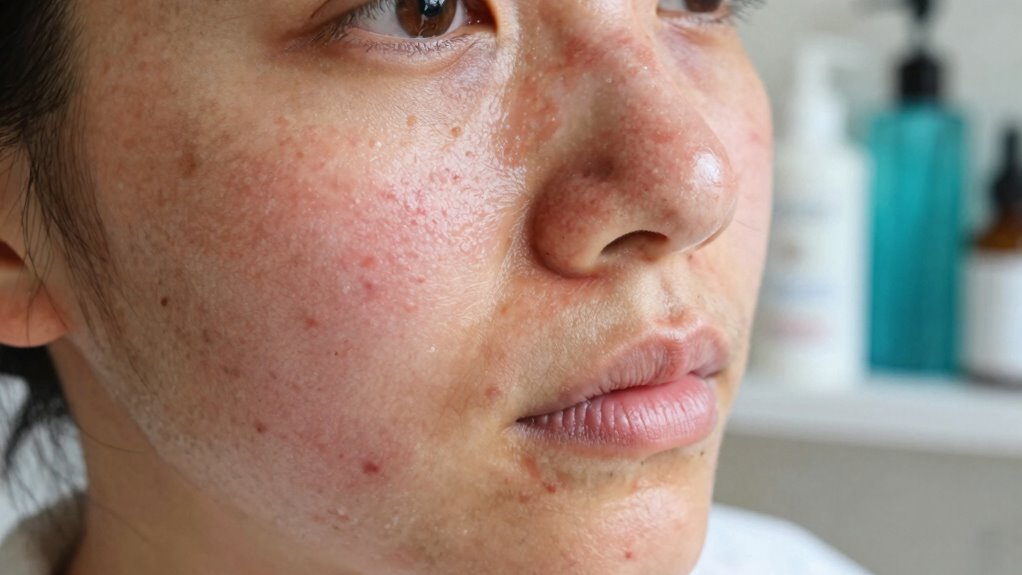
Daily habits can markedly impact sensitive skin, often triggering redness and irritation without you realizing it. Common habits that may irritate your skin include:
- Using harsh skincare products, which can strip natural oils and cause inflammation. Opt for gentle, natural remedies to soothe your skin.
- Poor sleep hygiene, leading to increased inflammation and redness. Prioritize consistent sleep routines to support skin recovery.
- Over-cleansing or washing your face too frequently, disrupting your skin’s barrier. Stick to a simple routine with lukewarm water and gentle cleansers. Additionally, piercing aftercare is crucial to prevent irritation and infection around your piercings.
- Ignoring dog breed-specific dietary needs, which can sometimes affect your skin health if your diet is unbalanced or lacking in essential nutrients. Maintaining a balanced diet that meets your specific nutritional requirements supports overall skin health and reduces the likelihood of redness. Moreover, being aware of environmental triggers such as pollution or harsh weather can help you better protect your skin from external irritants.
Furthermore, understanding the role of AI ethicist jobs in technology is important for those interested in shaping responsible AI systems.
Being mindful of these habits helps reduce irritation. Incorporating natural remedies and improving sleep hygiene can considerably improve your skin’s health, minimizing redness and sensitivity over time.
Can Stress, Diet, and Lifestyle Make Your Skin Red?
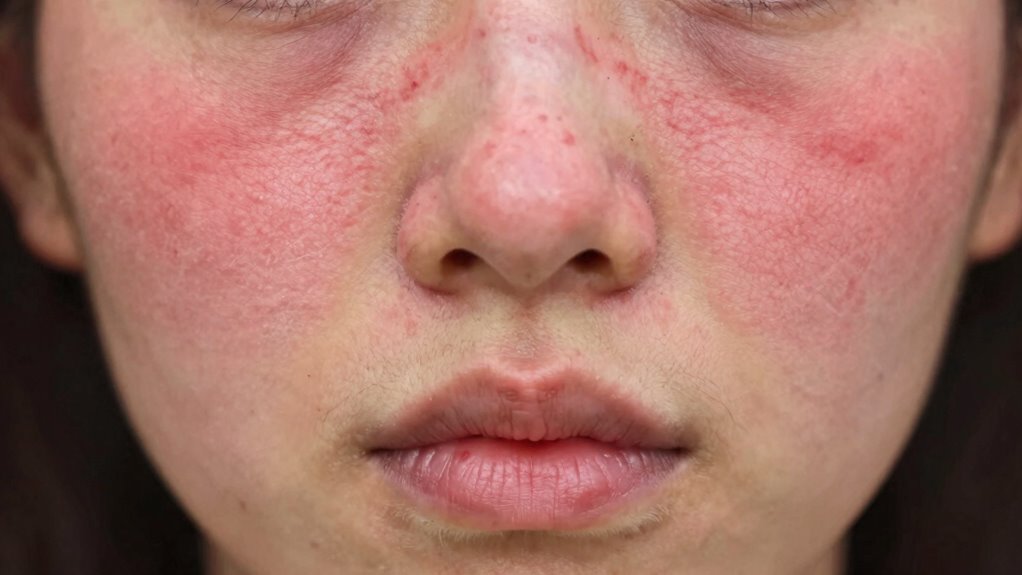
Stress can trigger skin flare-ups, making redness more noticeable. Your diet also plays a role, as certain foods may increase inflammation and irritation. By understanding how lifestyle choices affect your skin, you can better manage redness and keep your skin calmer. Incorporating digital literacy into your routine can also help you stay informed about skincare innovations and resources. Additionally, staying updated on industry trends through reputable sources can help you adopt the latest strategies for skin health. Recognizing scientific research about skin responses can further enhance your approach to skin care. Being aware of dark psychology tactics can also help you identify underlying emotional triggers that may contribute to stress-related skin issues. Understanding net worth and other personal factors can provide insight into how external pressures influence your overall well-being, including skin health.
Stress and Skin Flare-Ups
When your body is under pressure, it can trigger skin flare-ups, making redness more noticeable and persistent. Stress releases hormones that inflame your skin, worsening redness and irritation. To help manage this, try these techniques:
- Practice mindful breathing to calm your nervous system and reduce stress responses.
- Incorporate relaxation techniques like meditation or gentle yoga to ease tension and prevent flare-ups.
- Prioritize regular breaks and deep breaths during busy days to maintain a sense of calm.
- Using survival gear items such as portable water containers and emergency blankets can help you stay physically comfortable and reduce stress-induced skin reactions. Staying mindful of stress triggers can help you proactively manage your body’s responses and prevent flare-ups before they start. Incorporating automated systems in your routine, like timers for relaxation or reminders, can also support consistent stress management habits. Additionally, understanding the role of hormonal responses can empower you to better control stress-related inflammation and skin redness. Regular practice of visual and auditory cues can further reinforce relaxation techniques and improve overall stress resilience.
These habits can lower your body’s stress levels, decreasing the likelihood of redness caused by skin inflammation. Remember, managing stress isn’t just mental—it directly impacts your skin’s health and appearance. Staying mindful of your stress triggers and using relaxation techniques can make a noticeable difference in reducing flare-ups.
Diet’s Impact on Redness
Your lifestyle choices, including what you eat and drink, can considerably influence how your skin looks and feels. Diets rich in dietary antioxidants help combat inflammation that causes redness, promoting healthier skin. Conversely, high sugar intake can spike inflammation levels, making your skin more prone to redness and irritation. Cutting back on sugary foods and beverages can reduce flare-ups and support your skin’s natural barrier. Incorporating antioxidant-rich foods like berries, leafy greens, and nuts can strengthen your skin’s resilience. Staying hydrated and maintaining a balanced diet also help prevent redness caused by nutritional deficiencies. Remember, your habits directly impact your skin’s health, so choosing nutrient-dense foods and limiting sugar can make a noticeable difference in reducing redness over time.
What Unexpected Triggers Like Fragrance and Heat Should You Watch Out For?

Many people don’t realize that certain fragrances and heat exposure can unexpectedly trigger redness and skin irritation. Fragrance allergies are common, and scented products like perfumes, lotions, or cleansers can cause a reaction. Heat sensitivity also plays a role; hot weather, hot showers, or exercise can increase blood flow, leading to redness. To avoid surprises, watch out for:
- Scented products with artificial fragrances
- Hot environments or activities that elevate your body temperature
- Direct contact with heat sources like saunas or hot tools
Being aware of these triggers helps you protect your skin. Opt for fragrance-free products and stay cool in hot weather to prevent redness caused by unexpected triggers like fragrance allergies and heat sensitivity.
Frequently Asked Questions
Can Allergies Cause Skin Redness Without Other Symptoms?
Yes, allergies can cause skin redness without other symptoms. When you’re exposed to allergens like certain cosmetic products or environmental pollutants, your skin may react with redness alone, even if you don’t notice other signs like itching or swelling. Keep an eye on how your skin responds to new products or pollution, and consider patch testing or consulting a dermatologist to identify specific triggers and prevent redness caused by allergies.
How Does Hormonal Imbalance Influence Skin Redness?
They say, “The body is a temple,” and hormonal fluctuations can stir up skin inflammation, making your skin appear red and irritated. When hormones are imbalanced, they can trigger increased blood flow and inflammation, leading to persistent redness. You might notice this especially around your cheeks or jawline, and it can worsen with stress or diet changes. Staying balanced helps reduce these visible signs and keeps your skin healthier.
Are There Specific Fabrics That Irritate Sensitive Skin?
Certain fabrics can cause fabric irritation if you have sensitive skin. You should avoid rough or itchy textiles like wool, polyester, and synthetic blends, as they often trigger irritation. Instead, opt for gentle, natural fabrics like cotton, silk, or bamboo, which are less likely to cause discomfort. Always choose sensitive textiles that feel soft against your skin, and consider washing new clothes before wearing to remove potential irritants.
Can Medication Side Effects Lead to Skin Redness?
Yes, medication side effects can cause skin redness. You might experience reactions from certain medications, including antibiotics or anti-inflammatory drugs, which can lead to redness, swelling, or irritation. Topical treatments can also sometimes cause reactions if your skin is sensitive. Always monitor your skin after starting new medications or topical products, and consult your healthcare provider if you notice persistent redness or other adverse reactions.
Does Dehydration Contribute to Skin Redness?
Yes, dehydration can cause skin redness. When you don’t drink enough water, your hydration habits suffer, leading to dry, irritated skin that appears red and inflamed. Increasing your water intake helps improve circulation and restores moisture to your skin, reducing redness. Make sure you’re consistently drinking enough water throughout the day to maintain healthy, balanced skin and prevent dehydration-related redness.
Conclusion
Now that you’re aware of these hidden triggers, imagine your skin as a delicate canvas, each red flare a brushstroke of irritation. By paying close attention and making mindful choices, you can restore its natural glow, feeling the gentle warmth of calm, healthy skin under your fingertips. Embrace these insights like a guiding light, helping you navigate your routine with confidence, so redness becomes a rare visitor rather than a persistent guest.