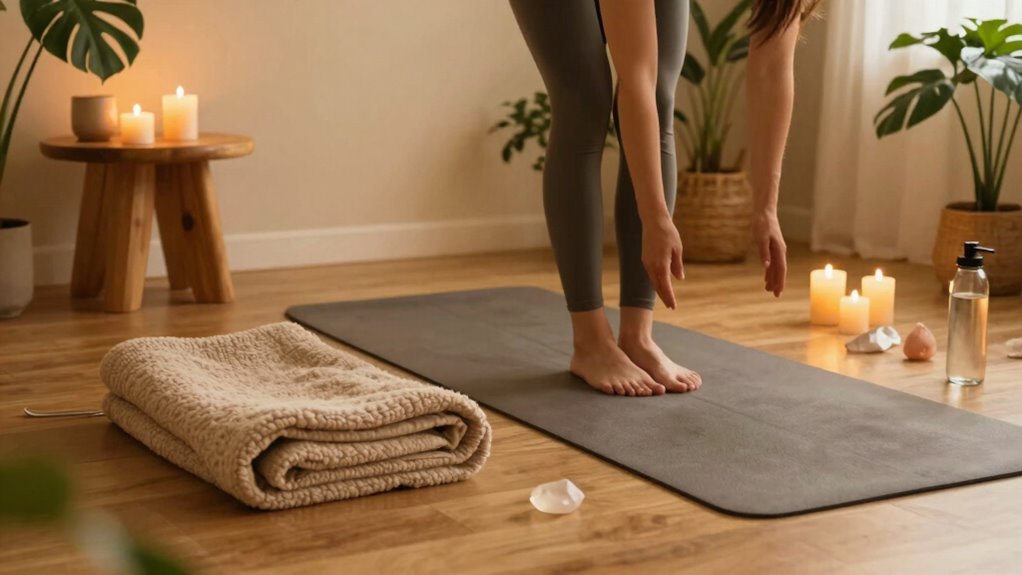

To build a body-first recovery ritual, start by tuning into your physical sensations after your workout or stress. Use mindful breathing, body scans, or gentle stretching to identify tension or soreness, adjusting your activity accordingly. Incorporate natural environments or nutrient-rich meals to support healing. Consistently listen to your body’s signals to prevent overtraining and injury, fostering resilience and balance. Keep exploring to discover more ways to prioritize your body’s needs effectively.

Turn your quiet moments into listening time
- Thousands of audiobooks, podcasts and originals
- Listen on your phone, tablet or Echo — also offline
- Cancel anytime
Key Takeaways
- Focus on physical cues like muscle tension, soreness, and breathing patterns to guide recovery efforts.
- Incorporate body scans and gentle stretching to tune into bodily signals before engaging in recovery activities.
- Prioritize nutrient-dense, anti-inflammatory foods and hydration to support tissue repair and reduce inflammation.
- Use natural environments or outdoor spaces to enhance relaxation and promote physical well-being.
- Develop consistent routines that combine mindful body awareness with nourishing practices for sustainable recovery.
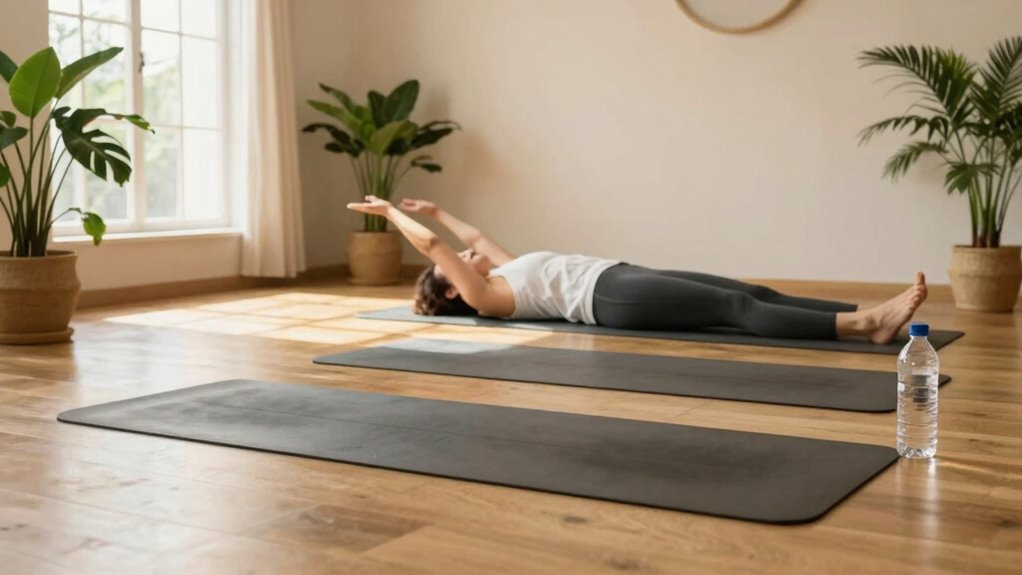
Creating a body-first recovery ritual can profoundly enhance how you bounce back from physical and mental stress. Instead of relying solely on mental or emotional strategies, shifting your focus to your body allows for a more tangible, grounded approach to healing. To do this effectively, you need to integrate mindfulness techniques that help you tune into your physical sensations and nutritional strategies that support your body’s natural recovery processes. This combination creates a holistic routine that addresses both the physical and mental aspects of recovery.
Start by incorporating mindfulness techniques into your daily routine. When you finish a workout or experience a stressful day, take a few moments to focus on your breath, paying close attention to how your body feels. Mindfulness techniques like body scans or gentle stretching can help you become aware of tension or soreness, giving you clues on how to adjust your recovery efforts. These practices also promote relaxation, reduce cortisol levels, and foster a sense of presence, which accelerates the healing process. The key is to stay present with your body’s signals rather than pushing through pain or discomfort, ensuring you listen and respond appropriately. Incorporating biodiversity into your environment can also support a more natural recovery by enhancing overall well-being and reducing stress. Additionally, engaging with natural elements like plants or outdoor environments can further boost your recovery by promoting restorative effects, which are supported by the natural benefits of nature exposure. Incorporating natural environments can also encourage more consistent recovery routines, as they tend to promote relaxation and reduce mental fatigue.
Focus on your breath and body sensations to promote relaxation and accelerate healing.
Alongside mindfulness, nutritional strategies are essential for a body-first recovery. Proper nutrition supplies the essential nutrients your muscles and tissues need to repair and rebuild. Prioritize protein-rich foods like lean meats, beans, or dairy, which provide amino acids indispensable for tissue repair. Incorporate anti-inflammatory foods such as berries, leafy greens, and fatty fish to decrease inflammation and promote faster recovery. Hydration is equally important—drink plenty of water, and consider adding electrolytes if you’ve had an intense workout or sweating session. Avoid processed foods and excess sugars, which can hinder recovery by increasing inflammation. Instead, focus on whole foods that are nutrient-dense and easy to digest, giving your body the fuel it needs to recover efficiently. Regularly practicing mindful eating can enhance your body’s ability to absorb nutrients and support your recovery process.
To make this a sustainable habit, create a routine that combines mindfulness and nutrition seamlessly. After exercise, spend a few minutes doing mindful breathing or body scans, then follow up with a nutritious meal or snack that replenishes glycogen stores and provides essential micronutrients. Developing awareness of your body’s recovery signals can help you better tailor your rest and activity levels, preventing overtraining. By intentionally aligning your recovery practices with your body’s needs, you foster resilience and reduce the risk of injury or burnout. Over time, this body-first approach becomes instinctive, helping you recover faster, feel more balanced, and maintain a healthier, more resilient body. Building this routine requires consistency, but once it becomes part of your daily life, you’ll notice a significant difference in how you recover and perform.
As an affiliate, we earn on qualifying purchases.
Frequently Asked Questions
How Long Should a Body-First Recovery Ritual Typically Last?
A body-first recovery ritual usually lasts around 20 to 30 minutes, giving you enough time for mindfulness practices and emotional awareness exercises. You want to stay engaged without overextending yourself, so focus on gentle movements, breathing, or stretching. This duration helps you reset physically and emotionally, promoting a deeper connection to your body and feelings, ultimately enhancing your overall recovery process.
Can a Body-First Approach Replace Mental Recovery Techniques?
A body-first approach can support, but not fully replace, mental health and emotional resilience techniques. Think of your body as the foundation and your mind as the fortress; strengthening one helps the other stand tall. Engaging in physical recovery boosts your emotional resilience and eases mental stress. While it’s a powerful tool, combining body and mind strategies creates a balanced, holistic approach to true recovery and lasting well-being.
What Equipment or Tools Are Essential for a Body-First Ritual?
You’ll want essential tools like a foam roller or massage balls to release tension and enhance emotional awareness. Incorporate mindfulness techniques with a meditation cushion or comfortable mat to stay present during your ritual. Resistance bands or light weights can support gentle strength work, promoting body awareness. These tools help you stay grounded, deepen emotional awareness, and create a body-first recovery practice that complements your mental well-being.
How Do I Personalize My Body-First Recovery Routine?
You personalize your body-first recovery routine by integrating mindfulness practices that focus on body awareness, like deep breathing or gentle stretching, to foster emotional connection. Listen to your body’s signals and adjust activities to suit your needs. Incorporate favorite scents or soothing music to enhance relaxation. Reflect on your progress regularly, making tweaks that deepen your emotional connection and keep the routine meaningful and effective for your unique needs.
Is a Body-First Approach Suitable for All Fitness Levels?
Like a river carving its path, a body-first approach suits most fitness levels, adapting as you grow stronger. While mindfulness practices and mental resilience play roles in recovery, this approach emphasizes physical awareness and movement. Whether you’re just starting or advanced, it helps you connect with your body, fostering resilience. You can scale activities to match your current ability, making it a flexible, inclusive method that evolves with your progress.
anti-inflammatory foods supplement
As an affiliate, we earn on qualifying purchases.
As an affiliate, we earn on qualifying purchases.
Conclusion
By prioritizing your body’s needs through a dedicated recovery ritual, you create a foundation for overall well-being. Imagine Sarah, who started ending her workouts with stretching and deep breathing; she noticed faster muscle recovery and less stress. When you tune into your body’s signals and nurture it first, you set the stage for sustained energy and resilience. Make this shift today—your body will thank you with improved performance and vigor.
As an affiliate, we earn on qualifying purchases.
As an affiliate, we earn on qualifying purchases.
Fall Picks
fall essentials
As an affiliate, we earn on qualifying purchases.