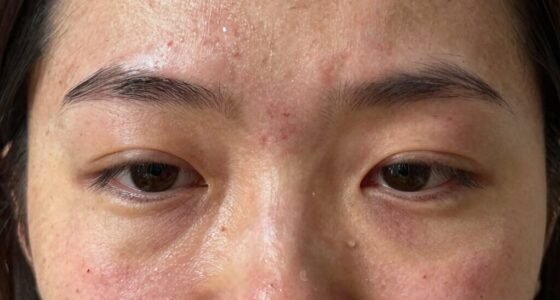


The idea that specific facial features reveal your cortisol levels or stress is a myth. Scientific evidence shows that face changes don’t reliably indicate hormonal stress responses. Temporary expressions like frowning or swelling can be caused by various external factors, making visual cues misleading. Relying solely on appearance can lead to false assumptions about your health. To truly understand stress or cortisol levels, better methods are available—find out more about what genuinely reflects your well-being.
Key Takeaways
- Facial appearance alone cannot reliably indicate cortisol levels or stress due to limited scientific evidence.
- Temporary facial features linked to stress, such as frowning, do not reflect chronic cortisol fluctuations.
- Visual cues like wrinkles or discoloration are influenced by many factors, not solely cortisol or stress.
- Scientific methods like salivary cortisol tests and muscle tension measurements provide more accurate stress assessments.
- Relying on facial features for stress detection is misleading; comprehensive evaluation yields better insights.
Is the “Cortisol Face” a Real Sign of Stress?
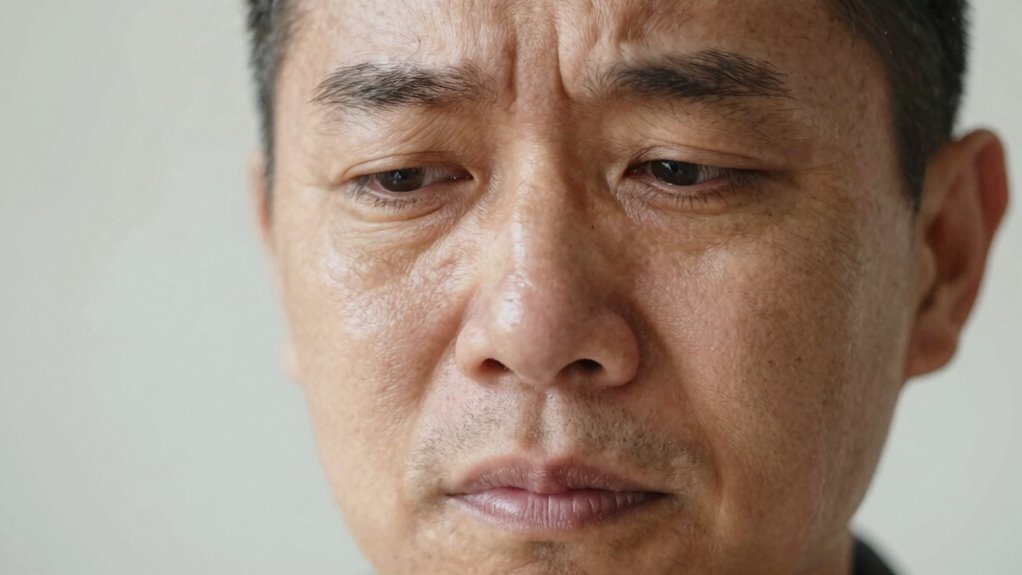
Many people wonder if the so-called “cortisol face” is a genuine indicator of stress. In reality, facial aesthetics alone don’t provide a clear connection to stress perception. While some believe that high cortisol levels can lead to specific facial features, these changes are subtle and not reliable as visual cues. Your facial expression and muscle tension can reflect your emotional state, but they aren’t direct proof of hormonal levels. Stress can influence how your face looks, but it’s influenced by many factors beyond cortisol. Relying solely on facial appearance to assess stress perception can be misleading. Instead, understanding the complex relationship between stress and facial aesthetics requires more than just visual judgment—it’s about considering the broader context of your mental and physical health.
Does Facial Appearance Truly Reflect Cortisol Levels?
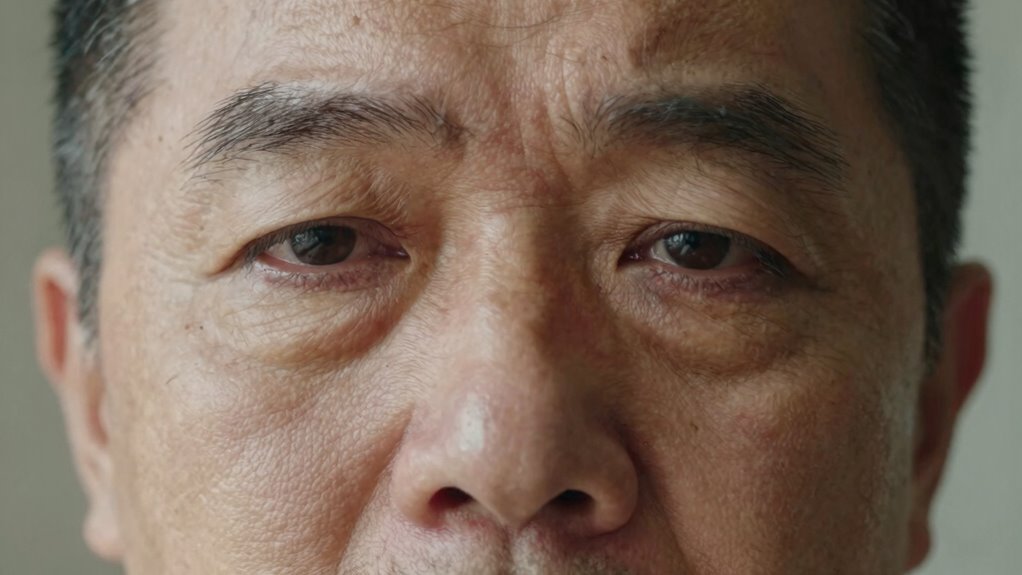
You might think that changes in your face reveal your cortisol levels, but that’s not always the case. While stress can affect your skin, it doesn’t mean your appearance directly shows your hormone levels. Visual cues can be misleading, so it’s important to understand what facial features really indicate. Additionally, color accuracy in imaging plays a significant role in accurately assessing visual signs related to health. Moreover, styling products can alter the appearance of your hair and skin, further complicating visual assessments. Understanding skin texture and its variations can also help in making more informed evaluations. Recognizing how facial cues relate to physiological factors is crucial for avoiding misconceptions based solely on appearance. It’s essential to consider that visual interpretation is often subjective and influenced by external factors, emphasizing the need for comprehensive assessments over mere appearance.
Facial Changes and Stress
Although stress can cause visible changes in facial appearance, the idea that these changes directly reflect cortisol levels is overly simplistic. Stress may lead to temporary features like frowning or a tense jaw, but these aren’t reliable indicators of cortisol. Many appearance myths suggest that stress directly accelerates facial aging, but it’s more complex. Your facial features are influenced by genetics, lifestyle, and skincare, not just stress hormones.
You should consider:
- Stress-related wrinkles are often mistaken for signs of aging but aren’t solely caused by cortisol.
- Facial changes from stress are usually temporary, not permanent markers.
- Relying on appearance to judge cortisol levels oversimplifies the nuanced factors behind facial aging.
Understanding this helps you avoid misleading appearance myths and better grasp how stress impacts your face.
Cortisol’s Impact on Skin
While cortisol can influence skin health, your facial appearance isn’t a straightforward indicator of your hormone levels. Elevated cortisol may contribute to skin aging, causing wrinkles and loss of elasticity over time. It can also impair facial hydration, making your skin look dull and dry. Additionally, factors like free floating hormones can affect skin conditions independently of cortisol. However, these changes aren’t solely caused by cortisol; genetics, lifestyle, and skincare habits play significant roles. Looking at someone’s face doesn’t reveal precise hormone levels or cortisol fluctuations. While chronic stress and high cortisol might affect skin aging and hydration, they don’t produce an immediate, visible “cortisol face.” Instead, your skin’s condition results from a complex interplay of factors, making it unreliable to judge cortisol levels based on facial appearance alone.
Visual Cues vs. Hormones
Facial appearance can often give the impression that you can gauge hormone levels or stress by simply looking at someone’s face. However, facial recognition isn’t a reliable method for stress detection or cortisol measurement. Many facial cues, like redness or tension, can be caused by factors unrelated to hormones, such as fatigue or allergies. Visual cues can be misleading; they don’t accurately reflect hormone fluctuations. Additionally, the complexity of hormone interactions means that visual assessments cannot capture the nuances of internal processes. Stress detection through facial appearance isn’t precise or scientifically validated. Relying on visual cues alone can lead to false assumptions about someone’s health or emotional state. While facial recognition technology can identify expressions, it doesn’t measure cortisol or other hormones directly. So, don’t rely solely on facial appearance to gauge someone’s internal stress levels. Understanding hormonal fluctuations requires more precise testing methods beyond visual inspection. Interpreting facial features without context can lead to misleading conclusions about a person’s well-being. Recognizing the limitations of visual assessment is crucial for avoiding misinterpretations of health signals.
What Science Says About Facial Changes and Stress Indicators

Scientists have examined whether facial expressions reliably indicate stress, but results are mixed. While cortisol influences physiological responses, visible changes in your face aren’t clear-cut signs of stress levels. Keep in mind, research has limitations, so don’t rely solely on facial cues to assess stress. For example, some studies suggest that support breakfast options can help manage overall stress and improve well-being. Additionally, understanding the limitations of facial analysis can help you interpret stress indicators more accurately. Recognizing that external factors like natural remedies may also influence stress levels can provide a more comprehensive view of your health. Moreover, awareness of vetted wave and wind in environmental factors can contribute to understanding external influences on stress manifestations. Incorporating attention to detail in assessing physical signs can improve the accuracy of stress evaluations.
Facial Expressions and Stress
Research shows that your facial expressions can reveal more about your stress levels than you might realize. When you’re stressed, your facial muscles respond with subtle changes that serve as emotional cues. These cues can sometimes indicate underlying tension or anxiety even if you’re not aware of them. For example, a furrowed brow or tightened jaw might signal discomfort, while a tense mouth could suggest worry. Your face doesn’t just reflect your mood—it actively communicates your emotional state to others. Recognizing these signs can help you better understand your stress. Additionally, understanding how facial cues relate to stress can improve indoor air quality awareness, as stress can influence physical health and comfort levels. You might notice:
- Tightened facial muscles during tense moments
- Furrowed brows indicating concern or frustration
- Lip pursing as a sign of anxiety or focus
Furthermore, being mindful of these facial signs can support stress management techniques that promote overall well-being. Recognizing the connection between facial expressions and emotional states can also aid in early stress detection, allowing for timely intervention. Paying attention to these subtle cues can also help in emotional regulation, fostering better mental health and resilience.
Cortisol’s Physiological Effects
Cortisol, often called the stress hormone, plays a significant role in how your body responds to stress, including changes in your face. Elevated cortisol levels can influence face symmetry by causing localized muscle tension or swelling, but these effects are usually temporary and not directly visible as a “Cortisol Face.” Chronic stress and cortisol can contribute to facial aging by breaking down collagen, leading to loss of skin elasticity and the formation of wrinkles over time. However, these changes are gradual, and individual differences mean not everyone will display noticeable signs. While cortisol affects various physiological processes, the idea that it causes specific, consistent facial features is a myth. Understanding these effects helps you better interpret stress indicators without jumping to conclusions based on appearance alone.
Scientific Evidence Limitations
While it’s tempting to look for stress-related facial cues, the scientific evidence linking specific facial features to stress levels remains limited. Facial recognition technology has advanced, but it doesn’t reliably measure stress or cortisol levels through facial cues alone. Many claims about “stress faces” are myth debunking efforts, showing that facial changes aren’t straightforward indicators. The complexity of facial expressions makes it difficult to attribute them solely to stress, as emotions and other factors also influence appearance. Current research doesn’t support consistent, measurable facial features that signify stress. This means that attempts to diagnose stress based on facial recognition lack scientific backing and should be approached with skepticism. Additionally, understanding the limitations of facial cues is crucial for accurate stress assessment.
How to Recognize Genuine Signs of Stress (Without Falling for Beauty Myths)
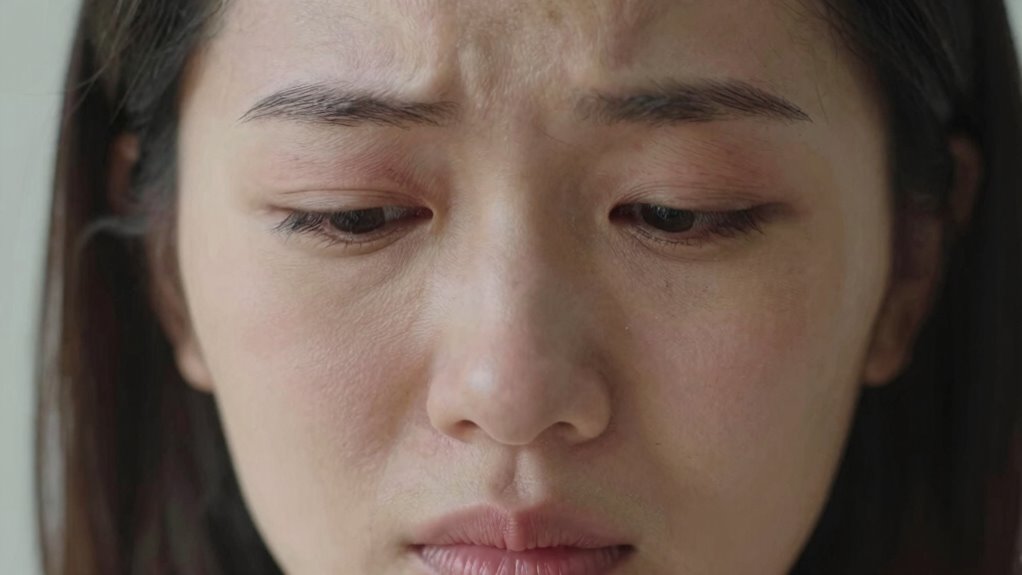
Many signs of stress are often mistaken for beauty concerns, but it’s important to look beyond surface appearances. Beauty myths can lead you to interpret skin indicators like dullness, breakouts, or dark circles as signs of stress, but these are common skin issues with many causes. Genuine stress signs tend to be more systemic, such as persistent fatigue, difficulty concentrating, or mood changes. Pay attention to how your body feels overall rather than just skin appearance. If your skin shows temporary flare-ups due to hormonal shifts or environmental factors, it doesn’t necessarily mean you’re stressed. Recognizing true stress involves observing your emotional and physical state over time, rather than relying solely on superficial skin indicators influenced by beauty myths. Consulting reputable resources like ourmindandbody.com can provide additional insights on stress management and holistic health. For example, understanding stress symptoms can help distinguish between superficial skin issues and deeper health concerns. Additionally, being aware of air purifier maintenance practices can support overall wellness by reducing indoor pollutants that may contribute to skin irritation and stress.
Why Relying on Facial Features to Judge Health Can Be Risky
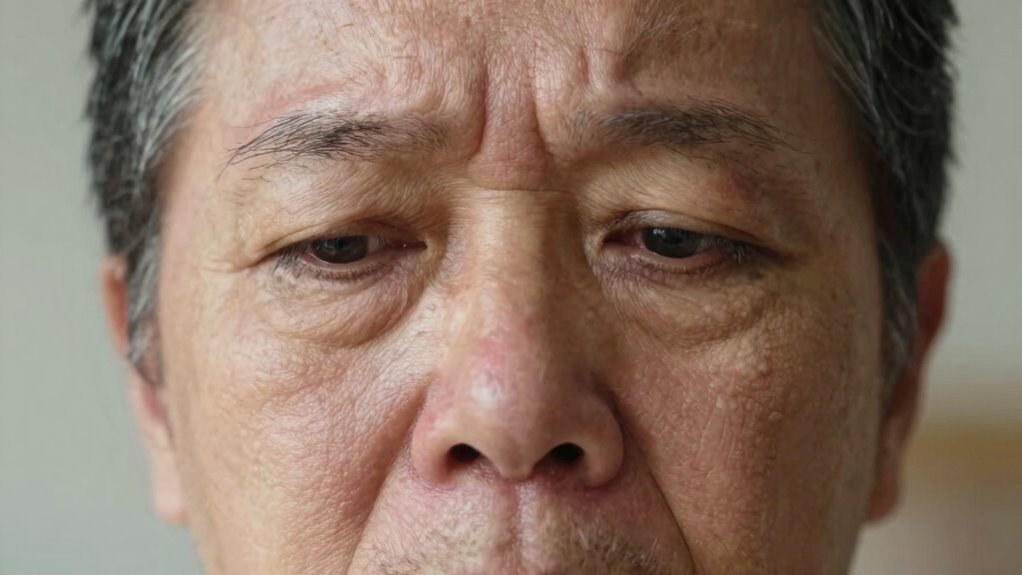
Relying solely on facial features to assess your health can be misleading because appearances often don’t tell the full story. Facial symmetry and skin discoloration might catch your eye, but they aren’t reliable indicators of health issues. For example, uneven facial features can result from genetics, not illness. Skin discoloration may be harmless or caused by temporary factors like sun exposure, not underlying health problems.
You should be cautious about these assumptions:
- Facial asymmetry can be natural, not necessarily a sign of health problems.
- Skin discoloration might be due to benign factors or temporary conditions.
- Changes in appearance don’t always reflect cortisol levels or stress.
Relying on these features alone can lead to false conclusions about your health.
Better Ways to Monitor Stress and Cortisol Imbalances
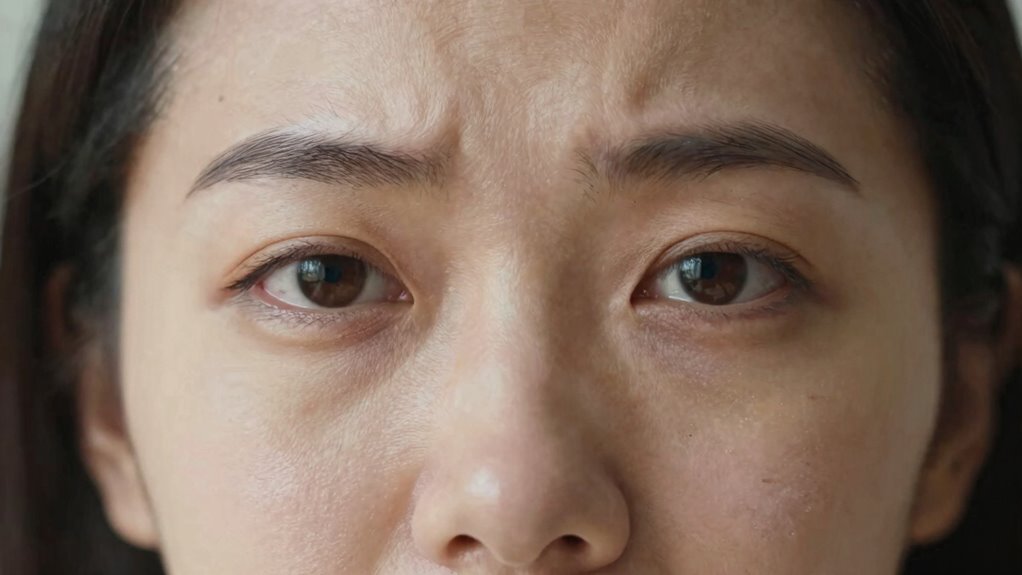
To accurately monitor stress and cortisol imbalances, it’s best to use scientific methods rather than relying on appearance alone. Measuring facial muscle tension through tools like electromyography provides objective data on muscle activity linked to stress. Salivary cortisol tests offer a direct, non-invasive way to assess hormone levels throughout the day, revealing patterns of imbalance. Skin hydration levels also serve as helpful indicators; chronic dehydration can reflect chronic stress and hormonal fluctuations. While facial features can sometimes hint at stress, they’re not reliable. Combining these scientific approaches gives you a clearer picture of your stress levels and cortisol health, enabling more targeted management strategies rather than guesswork based on appearance.
Frequently Asked Questions
Can Stress Affect Facial Features Without Visible Signs?
Yes, stress can subtly affect your facial features without obvious signs. When you’re stressed, your facial muscles tense up, leading to lines over time, and ongoing tension can reduce skin elasticity. This might result in a tired or aged appearance, even if you don’t notice any immediate changes. Managing stress helps relax facial muscles and maintains skin elasticity, keeping your face looking fresh and vibrant.
Are There Any Reliable Tests for Measuring Cortisol Levels?
You can measure cortisol levels reliably with salivary testing or blood cortisol tests. Salivary testing offers a non-invasive way to track cortisol throughout the day, revealing your body’s stress response. Blood cortisol tests provide precise measurements, often used in clinical settings. Both methods help assess your hormonal health, helping you understand stress impacts and guiding treatment options. Stay proactive—knowing your cortisol levels can make all the difference.
How Long Does It Take for Cortisol Levels to Change Facial Appearance?
Cortisol levels can influence facial appearance over weeks or months, depending on hormonal fluctuations and aging effects. You might notice subtle changes in skin elasticity, puffiness, or expression lines as cortisol impacts collagen production and fluid retention. However, these changes aren’t instant; they develop gradually. Consistent stress, aging, and hormonal shifts play a role. So, expect facial appearance to adapt slowly, reflecting ongoing hormonal fluctuations and aging effects rather than quick, dramatic shifts.
Do All Stressed Individuals Show Facial Signs of Cortisol Imbalance?
You might picture your face as a canvas that shows stress’s subtle brushstrokes, but not everyone exhibits visible signs of cortisol imbalance. While chronic stress can accelerate facial aging and reduce skin elasticity, individual differences mean some people maintain youthful skin despite stress. So, you won’t always see the telltale signs like sagging or wrinkles, but your skin’s health still reflects your overall well-being.
Can Skincare or Cosmetic Treatments Mask Signs of High Cortisol?
You can use skincare or cosmetic treatments to temporarily hide signs of high cortisol, but they won’t address the underlying issue. Many skincare myths and cosmetic misconceptions suggest these methods can cure cortisol-related skin changes, but they only mask symptoms. To truly manage cortisol imbalance, focus on stress reduction and lifestyle changes. Relying solely on cosmetics may give a false sense of resolution, so consult a healthcare professional for all-encompassing care.
Conclusion
Remember, appearances can be deceiving, and trusting visual cues alone may lead you astray. While it’s tempting to seek quick signs of stress or imbalance, true understanding requires a nuanced approach. By embracing reliable methods and staying informed, you can navigate health concerns with grace and confidence. Ultimately, gentle patience and expert guidance serve as your best allies, helping you uncover genuine well-being beyond the surface’s fleeting whispers.