
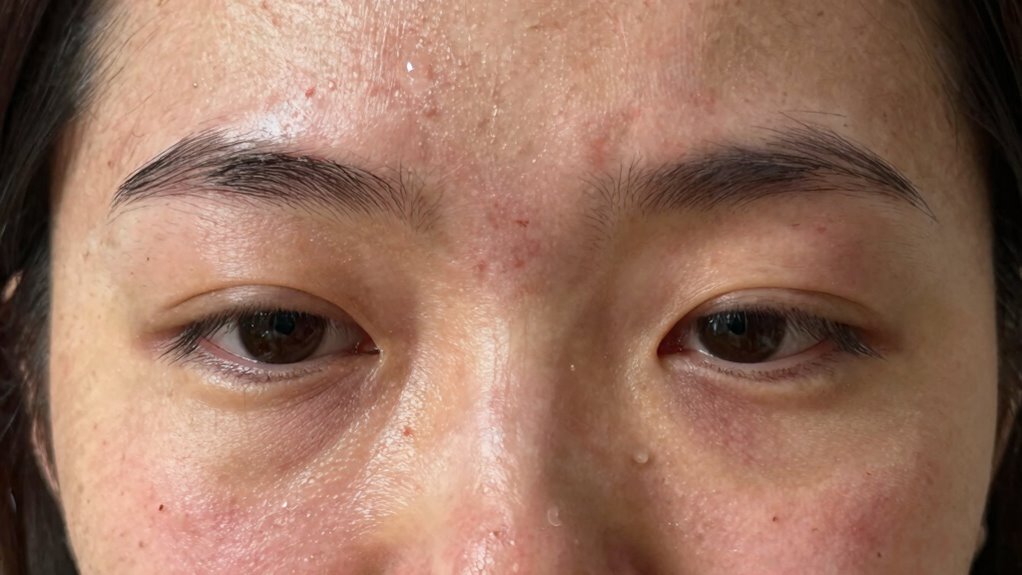

When you’re stressed, your body releases hormones like cortisol, which can increase oil production, cause inflammation, and weaken your skin’s barrier. This leads to breakouts, redness, dullness, and signs of aging like wrinkles. Stress also impairs your skin’s ability to heal and fight environmental damage. If you want to understand how these biological responses affect your skin and how to manage them, keep exploring the details behind this connection.

Turn your quiet moments into listening time
- Thousands of audiobooks, podcasts and originals
- Listen on your phone, tablet or Echo — also offline
- Cancel anytime
Key Takeaways
- Stress triggers cortisol release, increasing oil production and promoting acne while reducing collagen, accelerating skin aging.
- Inflammation from stress damages skin cells, weakening the skin barrier and causing redness, irritation, and sensitivity.
- Chronic stress impairs immune function, slowing healing and making skin more vulnerable to environmental damage.
- Elevated cortisol disrupts the skin’s microbiome, compromising overall skin health and resilience.
- Stress-induced inflammation and barrier disruption lead to dryness, dullness, fine lines, and a heightened appearance of aging.
stress relief face masks for skin
As an affiliate, we earn on qualifying purchases.
As an affiliate, we earn on qualifying purchases.
How Stress Triggers Biological Responses in Your Skin
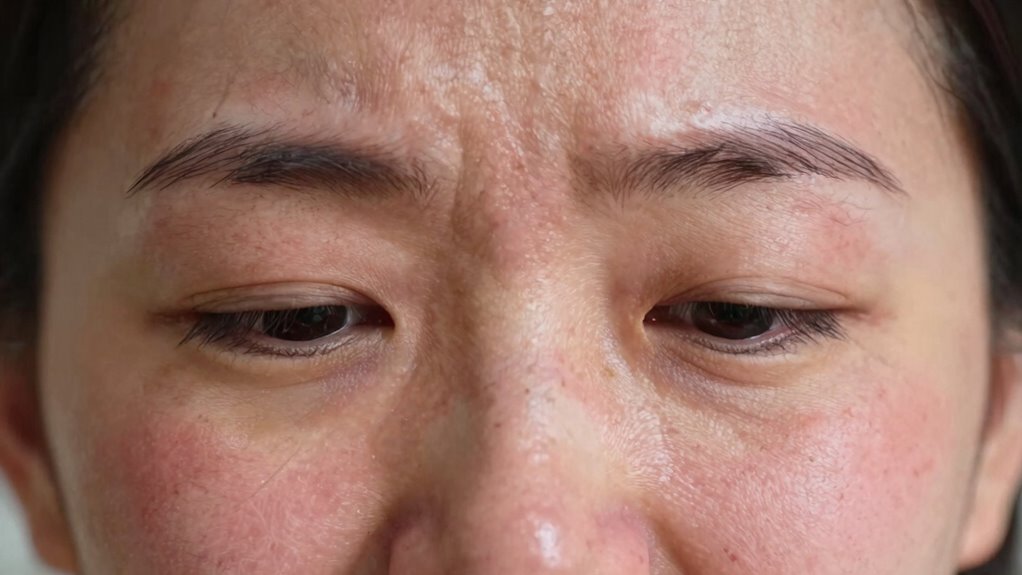
When you experience stress, your body responds by releasing hormones like cortisol and adrenaline. This triggers the mind-body connection, where your mental state directly influences physical health, especially your skin. Stress and immune functions are closely linked; chronic stress weakens your immune system, making your skin more vulnerable to issues like breakouts and inflammation. As your body reacts, blood flow shifts, and inflammation increases, which can cause redness, irritation, and acne flare-ups. Stress also prompts your skin to produce more oil, leading to clogged pores. Over time, these biological responses can impair your skin’s ability to heal and defend itself, demonstrating how stress impacts your skin’s health and appearance. Recognizing this link is key to managing stress for better skin resilience. Additionally, understanding the biological responses involved can empower you to adopt healthier habits that support your skin’s natural defenses. Stress-related hormonal changes play a significant role in these skin reactions and should be managed effectively to maintain skin health.
cortisol balancing skincare products
As an affiliate, we earn on qualifying purchases.
As an affiliate, we earn on qualifying purchases.
The Role of Cortisol and Hormones in Skin Changes
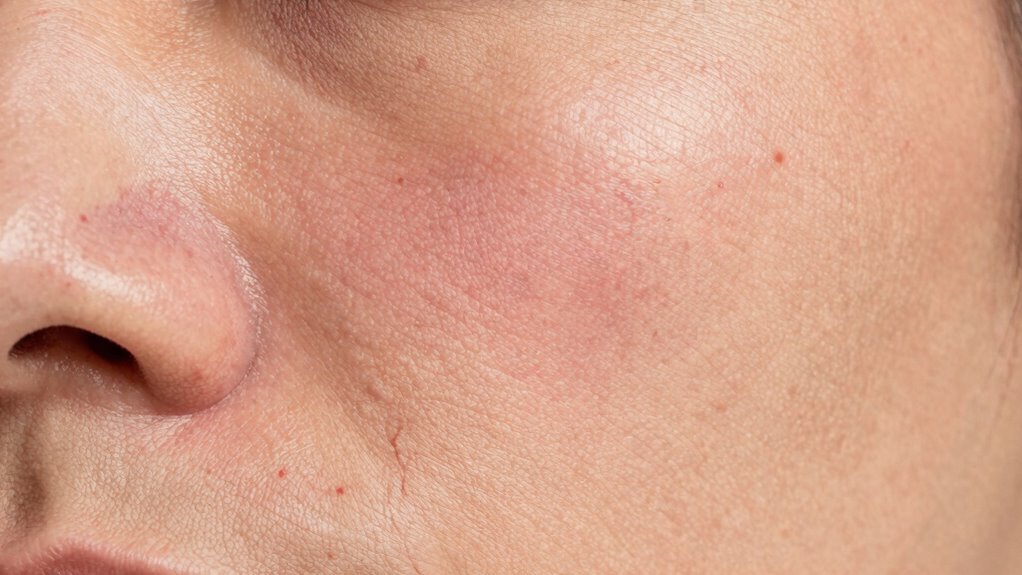
As stress triggers the release of hormones like cortisol, these chemicals directly influence your skin’s condition. Hormonal fluctuations caused by stress can lead to increased oil production, breakouts, and uneven skin tone. Cortisol effects include weakening skin’s barrier, making it more prone to dryness and irritation. To understand this better, consider:
- How cortisol heightens oil glands’ activity, leading to acne.
- The impact of hormonal shifts on collagen production, speeding up aging.
- How cortisol suppresses skin repair processes, prolonging healing.
- The connection between hormonal imbalances and increased sensitivity or redness. Additionally, the contrast ratio of your skin can influence how visible these stress-related changes appear under different lighting conditions. Recognizing these effects helps you grasp how stress impacts your skin’s health, emphasizing the importance of managing stress to maintain hormonal balance and skin clarity. Furthermore, understanding the skin’s response to hormones highlights the importance of stress management for overall skin wellness.
Being aware of hormonal influence can empower you to adopt skincare routines that support skin resilience during stressful times, especially by incorporating natural healing practices that bolster skin health.
anti-inflammatory skincare for sensitive skin
As an affiliate, we earn on qualifying purchases.
As an affiliate, we earn on qualifying purchases.
How Inflammation Affects Your Skin When You’re Stressed
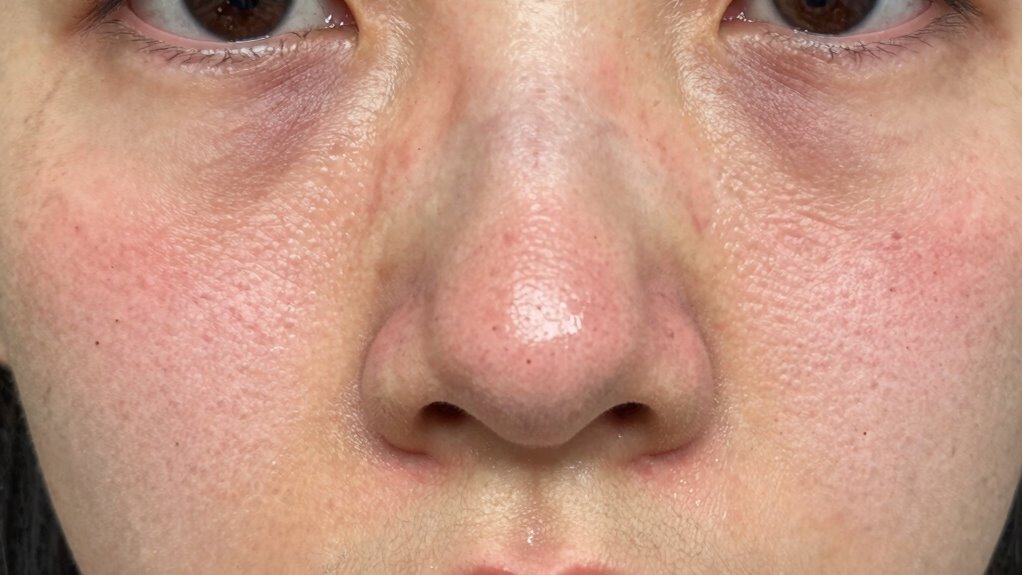
When you’re stressed, your body triggers an inflammatory response that can harm your skin. This inflammation can break down your skin barrier, making it more vulnerable to irritants. As a result, your skin becomes more sensitive and prone to issues like redness and breakouts. Additionally, air quality plays a significant role in skin health, as pollutants and allergens can exacerbate inflammation and skin sensitivities. Understanding how zodiac traits influence emotional responses can also help you manage stress better, which in turn benefits your skin health. Incorporating air fryer technology into your lifestyle can help promote healthier eating habits that support overall skin wellness, as it reduces the intake of unhealthy fats and additives. Using seasonal flavors in your diet can also boost your immune system and skin resilience, especially during times of stress. Practicing sustainable camping practices can help reduce environmental pollutants that may negatively impact your skin as well.
Inflammatory Response Activation
Stress triggers your body’s inflammatory response, causing your immune system to release chemicals that can affect your skin. This activation is driven through cellular signaling pathways that alert your immune response to perceived threats. As a result, your skin becomes more prone to issues like redness, irritation, and breakouts. To understand this process better, consider these key points:
- Stress hormones stimulate immune cells, triggering inflammation.
- Cellular signaling amplifies inflammatory signals, intensifying skin reactions.
- Cytokines released during this response promote redness and swelling.
- Chronic activation weakens skin, making it more susceptible to damage. Better indoor air quality can help reduce additional stressors that may worsen skin reactions. Additionally, European cloud innovation emphasizes sustainable and secure solutions that can support health-related data management and research.
Skin Barrier Disruption
Ever wonder how stress can weaken your skin’s defense system? When you’re stressed, inflammation disrupts your skin barrier, making it less effective at protecting against environmental damage. This breakdown occurs because stress hormones impair the production of lipids and proteins essential for barrier function. To maintain mental resilience and keep your skin healthy, follow consistent skincare routines that reinforce barrier repair. Consider ingredients like ceramides and fatty acids that strengthen your skin’s defenses. Here’s a quick look at how stress impacts your skin barrier:
| Stress Effects | How It Happens | What You Can Do |
|---|---|---|
| Lipid Loss | Inflammation reduces skin lipids | Use barrier-repair creams |
| Protein Damage | Impairs skin’s structural proteins | Incorporate nourishing serums |
| Increased Permeability | Weakens skin’s protective layer | Avoid harsh cleansers |
| Moisture Loss | Leads to dryness and irritation | Hydrate regularly |
| Reduced Resilience | Less capable of recovery | Manage stress effectively |
Additionally, water-based activities such as swimming or aquatic exercises can help reduce overall stress levels and promote skin healing through relaxation and improved circulation. Incorporating adaptive lighting in your environment can also positively influence your circadian rhythms, reducing stress and supporting skin health.
Increased Skin Sensitivity
Inflammation caused by stress can considerably increase your skin’s sensitivity, making it react more intensely to external factors like harsh ingredients, weather changes, or even skincare products. When your immune response is activated, it can disrupt skin hydration, leading to dryness and irritation. This heightened sensitivity means your skin may become red, itchy, or burning more easily. To understand this better, consider these points:
- Stress-induced inflammation weakens the skin’s barrier, amplifying reactions.
- Increased immune response causes overreaction to minor irritants.
- Reduced skin hydration makes skin more prone to sensitivity.
- External factors like cold weather or harsh products trigger stronger responses.
- Recognizing how inflammation impacts skin health can help in adopting effective skincare strategies.
Additionally, understanding the biological mechanisms behind stress and skin response empowers you to choose appropriate treatments that target inflammation at its source. Recognizing how inflammation influences immune responses can further guide targeted skincare and lifestyle changes. Being aware of these effects helps you take steps to soothe and protect your skin from stress-related sensitivities, ultimately supporting overall skin health.
hydrating moisturizer for stressed skin
As an affiliate, we earn on qualifying purchases.
As an affiliate, we earn on qualifying purchases.
How Stress Disrupts Your Skin’s Barrier and Causes Issues
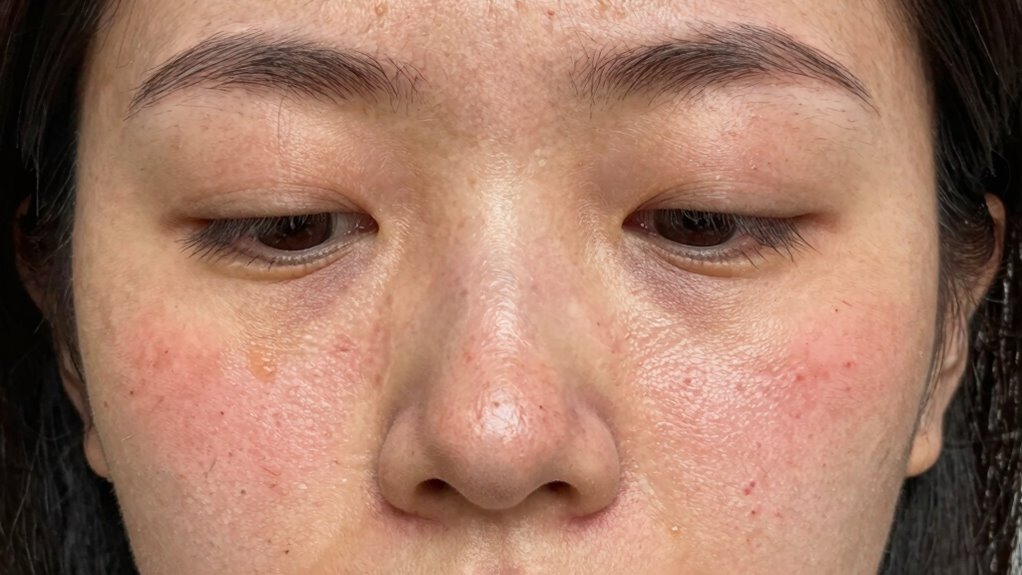
When you’re stressed, your body releases cortisol, which can weaken your skin’s protective barrier. This disruption makes your skin more vulnerable to irritation, dryness, and breakouts. An imbalance in toilet paper disposal practices can also contribute to skin issues, especially if improper disposal leads to bacterial growth or irritation. Understanding how stress impacts this barrier can help you take better care of your skin’s health. Incorporating stress management techniques into your routine can also support overall skin resilience and recovery. Additionally, research shows that elevated cortisol levels can negatively affect the skin’s microbiome, further compromising skin health. Recognizing the importance of skin barrier function can guide you in choosing appropriate skincare strategies to minimize stress-related damage.
Cortisol’s Impact on Skin
Stress triggers your body to produce more cortisol, a hormone that directly affects your skin’s health. Elevated cortisol levels can lead to hormonal imbalance, which disrupts oil production and skin renewal. This imbalance weakens your immune response, making your skin more vulnerable to inflammation and breakouts. Additionally, high cortisol can impair collagen synthesis, accelerating aging signs like wrinkles.
Here’s how cortisol impacts your skin:
- Triggers excess oil, leading to acne and clogged pores
- Reduces skin’s ability to heal, prolonging blemishes
- Promotes inflammation, causing redness and irritation
- Breaks down collagen, speeding up sagging and wrinkles
Barrier Function Disruption
Chronic stress weakens your skin’s protective barrier by impairing its ability to retain moisture and fend off environmental aggressors. This stress-induced skin dehydration leaves your skin dry, flaky, and more prone to irritation. When your barrier function is disrupted, harmful pollutants and bacteria can penetrate more easily, increasing the risk of breakouts and redness. Emotional skincare routines can help restore balance by calming inflammation and strengthening your skin’s defenses. Prioritizing hydration, using barrier-repairing ingredients, and managing stress levels are essential steps. Without proper care, your compromised barrier becomes a cycle—stress worsens dehydration, which then heightens sensitivity and vulnerability. Recognizing how stress impacts your skin’s barrier empowers you to adopt routines that protect and rebuild its natural defenses.
Ways Stress Accelerates Skin Aging and Causes Dullness
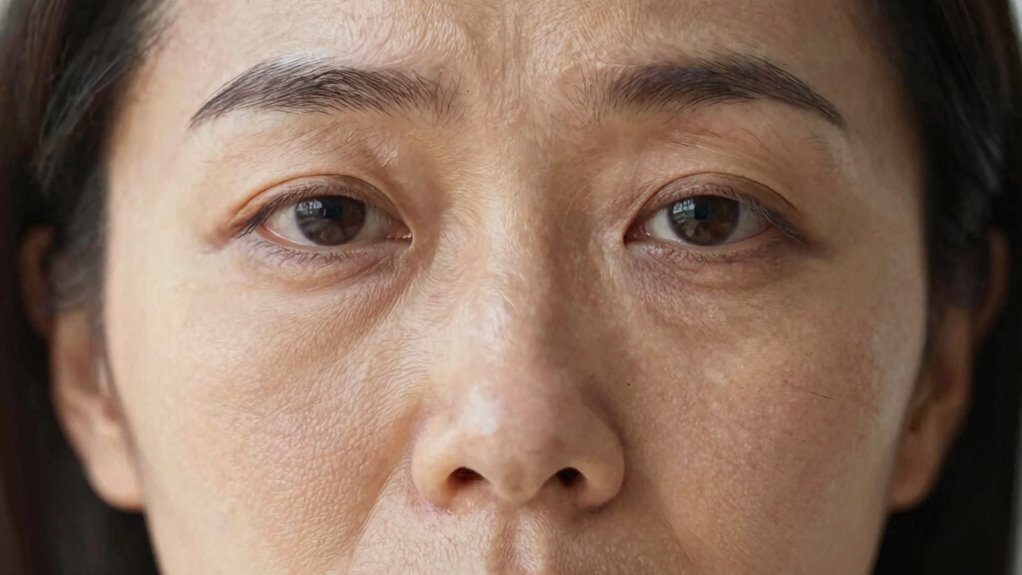
Stress triggers the release of hormones like cortisol, which can break down collagen and elastin in your skin. This process reduces skin hydration and hampers collagen synthesis, leading to faster aging and dullness. Over time, your skin loses its firmness and glow. Here are four ways stress accelerates skin aging and dullness:
- Decreases skin hydration, making your complexion look tired.
- Suppresses collagen synthesis, leading to fine lines and wrinkles.
- Promotes inflammation, damaging skin cells and causing dullness.
- Weakens the skin’s natural repair process, slowing recovery from damage.
Practical Tips to Manage Stress and Improve Your Skin Health
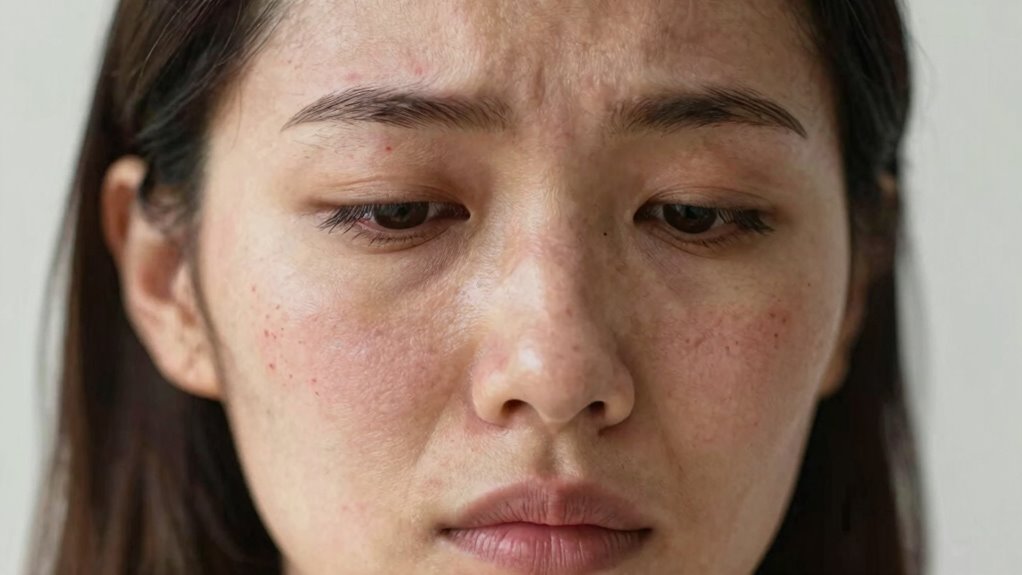
Managing stress effectively is essential for maintaining healthy, youthful skin. Incorporate mindfulness practices like meditation or deep breathing to lower cortisol levels and promote relaxation. Prioritize sleep hygiene by sticking to a consistent sleep schedule, avoiding screens before bed, and creating a calming environment. These habits help your body recover and reduce skin inflammation caused by stress. To make it easier, consider this quick guide:
| Tip | Action | Benefit |
|---|---|---|
| Practice mindfulness | Dedicate 10 minutes daily to meditation | Reduces stress hormones |
| Improve sleep hygiene | Keep a regular bedtime and limit caffeine | Enhances skin repair |
| Exercise regularly | Engage in physical activity most days | Boosts mood and circulation |
| Stay hydrated | Drink plenty of water throughout the day | Keeps skin plump and resilient |
Frequently Asked Questions
Can Stress-Induced Skin Issues Be Completely Reversed?
Yes, stress-induced skin issues can often be reversed, especially with effective stress management. By reducing your stress levels, you help restore your skin’s resilience, allowing it to heal and improve over time. Consistent skincare, healthy habits, and managing emotional well-being support this process. While some effects might linger, many people see significant improvements when they prioritize relaxation, proper care, and stress reduction techniques.
Do Genetics Influence How Stress Affects My Skin?
Yes, genetics influence how stress affects your skin. If you have a genetic predisposition, your skin’s elasticity and resilience may be lower, making you more prone to stress-related issues like breakouts or wrinkles. Your genes can determine how your skin responds to stress hormones, affecting recovery and damage. Understanding your genetic makeup can help you tailor skincare and stress management strategies to better protect your skin’s health.
Are Some Skin Types More Prone to Stress-Related Problems?
Think of your skin as a delicate tapestry, more susceptible if your psychological resilience is low. Sensitive skin types often react more intensely to stress, like a drum echoing in a quiet room. If you have skin sensitivity, stress can trigger flare-ups or breakouts more easily. Building resilience through self-care helps your skin stay calm amid life’s chaos, reducing the impact stress has on your skin’s health and appearance.
How Quickly Does Stress Impact Skin Appearance?
Stress hormones can impact your skin within hours, causing visible changes. When you’re stressed, these hormones trigger skin inflammation, leading to breakouts, redness, or dullness. You might notice your skin reacting quickly during stressful situations, often in a day or two. The more prolonged the stress, the more significant the effects become, making it essential to manage stress to keep your skin healthy and clear.
Can Skincare Products Counteract Stress-Related Skin Damage?
Imagine reaching for your favorite moisturizer and noticing it calms your skin—coincidence or science? Skincare products can help counteract stress-related damage by strengthening your skin barrier and reducing the effects of stress hormones. Look for ingredients like ceramides and antioxidants, which support your skin’s resilience. While they won’t erase stress entirely, they can improve your skin’s ability to handle stress and keep it healthier longer.
Conclusion
So, next time your skin looks tired and dull, blame stress—because apparently, your skin’s way of saying “I told you so” is through wrinkles and breakouts. Ironically, taking time to relax could be your secret weapon, yet here you are, stressing about that zit instead. Remember, a calmer mind might just give your skin the glow it’s been begging for. After all, who knew that stress was secretly aging you?
Fall Picks
fall essentials
As an affiliate, we earn on qualifying purchases.