

TL;DR
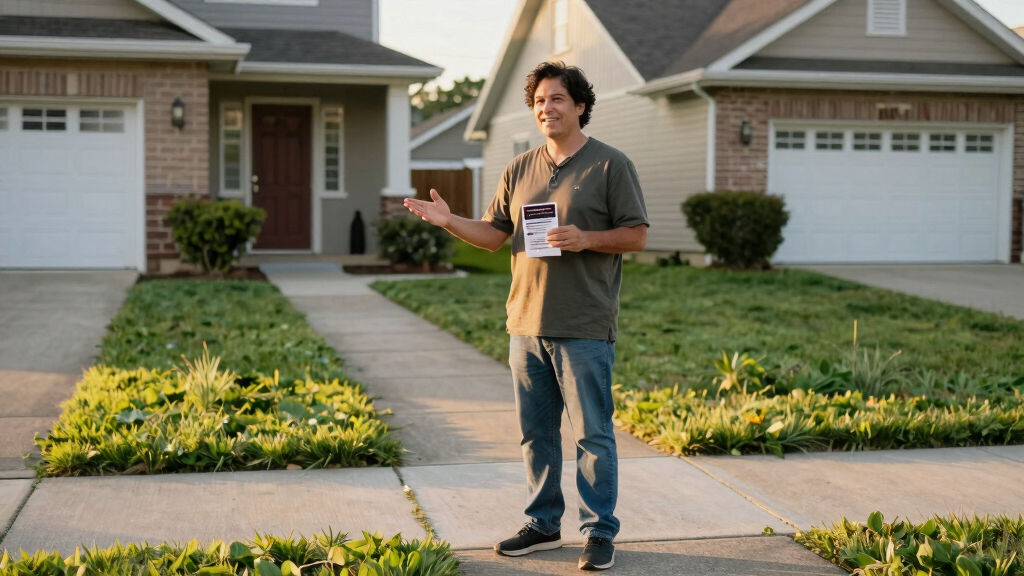
Jehovah’s Witnesses have officially stated that door-to-door preaching remains an essential part of their religious practice. This reaffirmation highlights its significance for their faith and outreach activities, despite ongoing debates and restrictions.
Jehovah’s Witnesses have officially confirmed that door-to-door preaching remains an essential manifestation of their religion, emphasizing its central role in their faith and outreach efforts. This statement underscores their commitment to this traditional practice despite legal restrictions and public debates.

Give the gift of listening to someone you love
- Choose a 1-, 3-, 6- or 12-month membership
- They pick the audiobooks they love
- Easy to send by email
The organization issued a formal statement affirming that door-to-door preaching is a core element of Jehovah’s Witnesses’ religious activities. This reaffirmation was made amid ongoing discussions about the legality and social acceptance of door-to-door evangelism in various regions. The statement highlights that their faith explicitly considers this form of outreach as vital to their religious expression and spiritual duty.
According to the official release, Jehovah’s Witnesses view door-to-door preaching not merely as a method of evangelism but as an essential manifestation of their faith. The organization stressed that this practice is rooted in their religious teachings and is integral to their spiritual identity. Despite facing restrictions in some countries, their leadership maintains that this activity remains a fundamental part of their religious life and mission.
Implications for Religious Outreach and Legal Debates
This reaffirmation emphasizes the importance Jehovah’s Witnesses place on door-to-door preaching as a religious duty, potentially influencing legal and social debates about religious freedom. It underscores their commitment to this practice despite challenges, which could impact future legal rulings and community relations. For followers, it affirms the significance of their evangelism efforts; for critics, it raises questions about balancing religious expression with public safety and privacy concerns.
Products Worth Considering

Ring Alarm 5-Piece Home Security Kit

Ring Alarm 8-Piece Home Security System Kit

Ring Alarm 14-Piece Security Kit
As an affiliate, we earn on qualifying purchases.
Background of Jehovah’s Witnesses’ Door-to-Door Preaching
Jehovah’s Witnesses have a long history of door-to-door evangelism, which they consider a biblical mandate and a central part of their faith practice. This tradition has faced legal restrictions and social opposition in various countries, especially during the COVID-19 pandemic when some regions imposed bans or limitations on in-person religious activities. Despite these challenges, the organization has consistently maintained that door-to-door preaching is essential, framing it as a core expression of their religious identity and mission. Recent statements reaffirm this stance amid ongoing legal debates about religious freedom and public safety.
“Door-to-door preaching constitutes, for Jehovah’s Witnesses, an essential manifestation of their religion.”
— Official Jehovah’s Witnesses spokesperson
It is not yet clear how governments and communities will respond to the organization’s reaffirmation, especially in regions where door-to-door activity faces legal restrictions or public opposition. Details about potential policy changes or enforcement actions remain uncertain, and the impact on Jehovah’s Witnesses’ activities is still developing.
Potential Legal and Community Responses to the Reaffirmation
Jehovah’s Witnesses are expected to continue their outreach efforts, possibly facing increased legal scrutiny or opposition in some areas. Future legal rulings and local policies will influence whether door-to-door preaching can resume or expand. The organization may also engage in advocacy or legal challenges to defend their religious practice, and community reactions may vary from support to opposition depending on regional attitudes toward religious evangelism.
Key Questions
Why do Jehovah’s Witnesses consider door-to-door preaching essential?
They believe it is a biblical mandate and a core expression of their faith, integral to their spiritual identity and evangelism efforts.
Has the organization faced restrictions on door-to-door preaching before?
Yes, in some countries and regions, legal restrictions and social opposition have limited or banned door-to-door evangelism, especially during the COVID-19 pandemic.
What are the potential legal implications of this reaffirmation?
It could lead to increased legal challenges or enforcement actions in regions where door-to-door preaching is restricted, potentially affecting their evangelism activities.
How might communities respond to this reaffirmation?
Responses may vary; some communities might support religious freedom, while others may oppose or impose restrictions on door-to-door activities.
Source: rss