

TL;DR
A new study suggests that spirituality could be the key factor in developing resilience against stress and adversity. Researchers found significant links between spiritual practices and mental toughness. The findings could influence future mental health approaches.
A new study suggests that spirituality may be the most powerful factor in fostering psychological resilience. The research, conducted by a team of psychologists and neuroscientists, indicates that spiritual practices and beliefs are strongly associated with greater mental toughness in the face of stress and adversity. This development could influence how mental health professionals incorporate spiritual elements into resilience-building strategies.

Turn your quiet moments into listening time
- Thousands of audiobooks, podcasts and originals
- Listen on your phone, tablet or Echo — also offline
- Cancel anytime
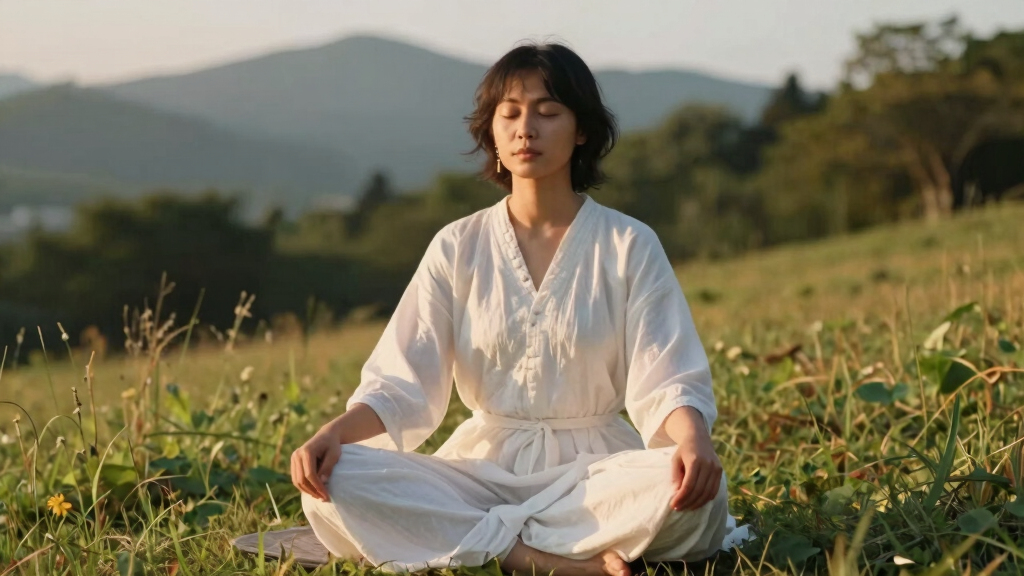
The study analyzed data from over 2,000 participants across diverse backgrounds, examining their spiritual practices, beliefs, and resilience levels. The researchers found that individuals who engaged regularly in spiritual activities—such as prayer, meditation, or participation in faith communities—demonstrated significantly higher resilience scores compared to those without spiritual engagement. The lead researcher, Dr. Emily Carter, stated that the findings highlight spirituality as a potential key component in mental health interventions.
While the research establishes a strong correlation between spirituality and resilience, it does not definitively prove causation. The study also controlled for other factors like social support, physical health, and socioeconomic status, suggesting that spirituality independently contributes to resilience. The researchers emphasized that spirituality’s role in resilience varies among individuals and cultural contexts.
Why Spirituality Could Transform Mental Health Approaches
The findings could have significant implications for mental health strategies, especially in fostering resilience among vulnerable populations. Incorporating spiritual practices into therapy or community programs might enhance coping mechanisms and emotional stability. This research also challenges purely secular models of resilience, suggesting that spiritual dimensions could be integral to mental well-being.
Experts caution that the relationship between spirituality and resilience is complex and individual-specific. Nonetheless, the study adds to a growing body of evidence that holistic approaches to mental health, including spiritual elements, may offer substantial benefits.
Products Worth Considering

Levoit Eleva 300X Air Purifier for Home Bedroom

Ring Wired Doorbell Pro (2021 Release), Satin Nickel

Roborock Q7 M5+ Robot Vacuum and Mop with Self-Emptying Dock
As an affiliate, we earn on qualifying purchases.
Research Builds on Growing Evidence of Spirituality’s Role in Mental Health
Previous studies have indicated links between spirituality and improved mental health outcomes, such as reduced anxiety and depression. However, the recent research is among the first to specifically focus on resilience as a core outcome. Historically, resilience has been primarily associated with social support, physical health, and psychological traits, but emerging evidence suggests spirituality may be a vital factor.
This study aligns with earlier work by institutions like the American Psychological Association, which has acknowledged spirituality as a potential resource for coping with trauma and stress. It also arrives amid increasing interest in holistic health approaches that integrate mind, body, and spiritual well-being.
“Our findings suggest that spirituality isn’t just a supplementary aspect of well-being but could be central to developing resilience against life’s challenges.”
— Dr. Emily Carter, lead researcher
Unresolved Questions About Causality and Cultural Variability
It is not yet clear whether spirituality directly causes increased resilience or if resilient individuals are more inclined toward spiritual practices. The study establishes correlation but cannot confirm causation. Additionally, the variability of spiritual beliefs and practices across cultures complicates universal application of these findings. Researchers emphasize the need for longitudinal and experimental studies to clarify these relationships.
Future Research and Practical Applications in Mental Health
Researchers plan to conduct longitudinal studies to explore causal relationships between spirituality and resilience over time. Mental health practitioners may begin experimenting with integrating spiritual practices into therapy protocols, with careful attention to individual preferences and cultural contexts. Policymakers and health organizations might also consider supporting community programs that include spiritual components to enhance resilience among populations.
Key Questions
Does this mean everyone should adopt spiritual practices?
Not necessarily. The study shows a strong association but does not suggest that spirituality is a one-size-fits-all solution. Personal beliefs and cultural backgrounds influence how individuals might benefit from spiritual practices.
Can non-religious people benefit from spirituality in resilience?
Yes, many forms of spirituality are non-religious, such as meditation or mindfulness, which can be accessible and beneficial regardless of religious affiliation.
What types of spiritual activities are most effective?
The research highlights practices like prayer, meditation, and community involvement, but effectiveness may vary among individuals. Personal engagement and meaning are key factors.
Is this research conclusive enough to change mental health treatments?
While promising, the findings are preliminary. Mental health approaches may incorporate spiritual elements cautiously, pending further research establishing causality and best practices.
Source: rss