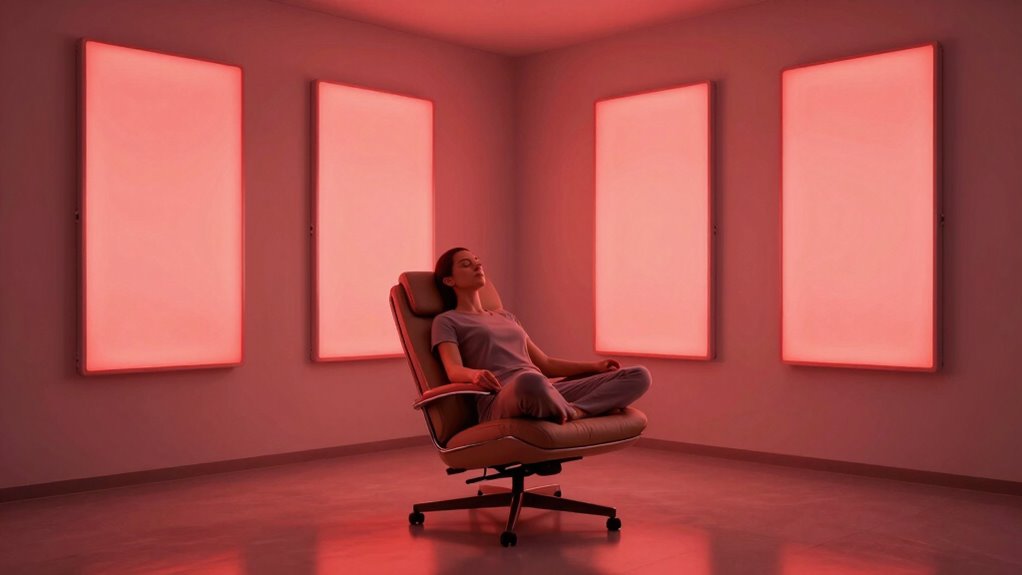

Red light panels can plausibly speed up your recovery by boosting cellular energy, reducing inflammation, and healing muscle soreness faster. They’re non-invasive and easy to incorporate into your routine, making them a helpful supplement to traditional methods like rest and nutrition. While the science supports some benefits, not all claims are proven, and results vary. To discover the realistic ways these panels can support your recovery, keep exploring how they work and what to expect.
Prime for Young Adults — start your free trial
Fast free delivery, streaming and member deals for eligible 18–24 year olds.
As an affiliate, we earn on qualifying purchases.
Key Takeaways
- Red light therapy can plausibly accelerate muscle recovery and reduce soreness through enhanced mitochondrial function and ATP production.
- Its ability to improve healing is supported by some evidence, but optimal protocols and long-term effects require further research.
- The therapy is effective as a complementary tool and should not replace traditional recovery methods like rest, nutrition, or medical treatment.
- It may help stabilize circadian rhythms, promoting better sleep and overall recovery, though individual responses vary.
- Claims of rapid or dramatic results are often exaggerated; red light panels are best used consistently as part of a holistic health routine.
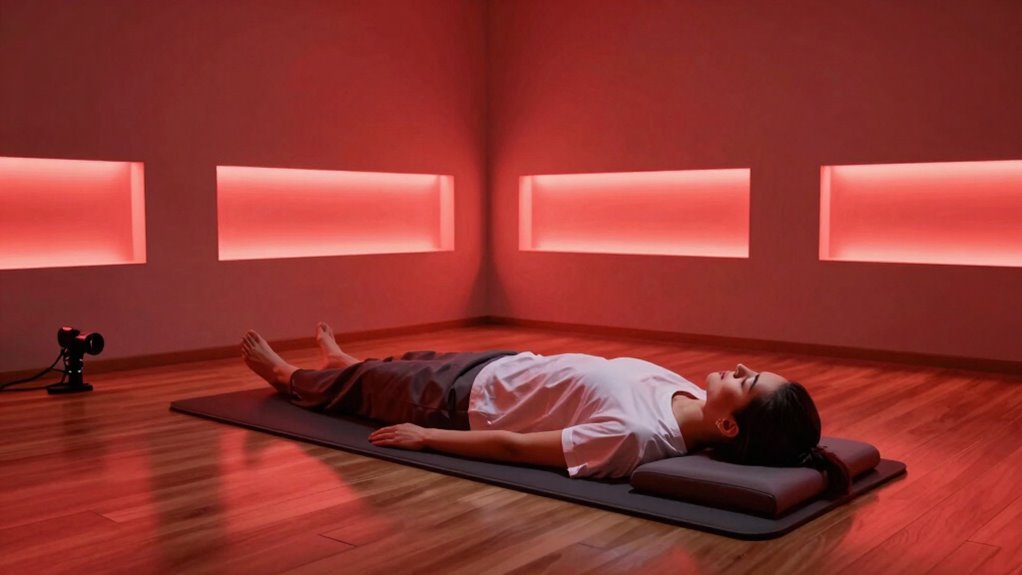
Red light therapy has gained popularity as a non-invasive way to accelerate recovery, especially for athletes and those dealing with muscle soreness or injuries. Many proponents cite photobiomodulation therapy as the primary mechanism behind its benefits. This process involves exposing your body to specific wavelengths of red or near-infrared light, which penetrates tissues and stimulates cellular function. When your cells absorb this light, it boosts mitochondrial activity, leading to increased production of ATP—the energy source your cells need to repair and regenerate. As a result, you might notice faster healing, reduced inflammation, and less muscle pain after consistent use. While scientific backing varies, many users report tangible improvements, making red light panels a popular addition to recovery routines.
Beyond muscle repair, there’s growing interest in how red light therapy influences circadian regulation. Your circadian rhythm governs your sleep-wake cycle and overall biological timing. Some studies suggest that exposure to red or near-infrared light during specific times of day can help synchronize or stabilize this cycle. For athletes or anyone seeking better sleep, this could mean more restorative rest, which is crucial for recovery. Proper circadian regulation also supports hormonal balance, immune function, and mental clarity—all critical factors in the healing process. Red light therapy’s potential to influence these systems makes it more than just a recovery tool; it could serve as a holistic approach to maximizing your body’s natural rhythms.
However, it’s crucial to be cautious about overhyping these benefits. While photobiomodulation therapy shows promise, research is still ongoing to determine ideal wavelengths, dosages, and treatment durations for different conditions. Not all claims are backed by robust science, so you should view red light panels as a supplementary option rather than a miracle cure. Using them consistently and correctly can support your recovery efforts, but they shouldn’t replace traditional methods like proper rest, nutrition, and medical care when needed. Additionally, understanding the cellular energy production process can help you make more informed choices about incorporating red light therapy into your routine. Recognizing the importance of these biological systems can also guide more effective and safe application. Moreover, ongoing research continues to uncover new therapeutic applications, which could expand their use in the future.
In the end, red light therapy offers a plausible benefit for recovery, especially when integrated into a well-rounded health plan. Its ability to stimulate cellular energy production and potentially regulate circadian rhythms makes it an intriguing tool. Just keep your expectations realistic: it’s not a quick fix, but it can be a valuable part of your recovery arsenal when used thoughtfully.
red light therapy panels for muscle recovery
As an affiliate, we earn on qualifying purchases.
As an affiliate, we earn on qualifying purchases.
Frequently Asked Questions
Are Red Light Panels Safe for All Skin Types?
Red light panels are generally safe for all skin types, but you should consider your skin sensitivity before starting treatment. If you have sensitive skin, start with shorter sessions and monitor how your skin responds. It’s also important to follow recommended treatment frequency to prevent irritation. Always consult a dermatologist if you’re unsure, especially if you have underlying skin conditions, to verify the panels are safe for your specific skin type.
How Long Does It Take to See Recovery Benefits?
You’ll likely notice recovery benefits within 2 to 4 weeks of consistent red light therapy sessions. Studies show that it can reduce muscle soreness by up to 50% and support injury prevention by improving blood flow. If you stick with regular treatments, you might experience faster recovery times, less soreness, and a quicker return to peak performance. The key is consistency and proper usage to see those long-term benefits.
Can Red Light Therapy Replace Traditional Recovery Methods?
Red light therapy can complement traditional recovery methods, but it shouldn’t replace them entirely. It offers an alternative treatment that supports your body’s natural healing processes. Incorporating holistic approaches, like red light panels, can enhance recovery, reduce inflammation, and improve tissue repair. However, for ideal results, combine these treatments with proven methods like rest, proper nutrition, and physical therapy. Always consult a healthcare professional before making significant changes to your recovery routine.
Are There Any Scientific Studies Supporting Red Light Panel Claims?
Yes, some scientific studies support red light panels’ claims, particularly through photobiomodulation research, which shows benefits like reduced inflammation and faster healing. However, you should be aware of clinical trial limitations, such as small sample sizes or lack of long-term data, which make it hard to confirm these benefits universally. While promising, more in-depth research is necessary to fully validate red light therapy’s effectiveness.
What Are the Potential Side Effects of Red Light Therapy?
Red light therapy can potentially cause skin irritation or eye safety concerns. You might notice redness, dryness, or sensitivity if your skin reacts, especially with overuse. Plus, staring directly into the light could harm your eyes if you don’t wear proper protection. To prevent problems, start slowly, avoid direct eye exposure, and follow safety guidelines. Staying cautious helps you enjoy the therapy’s benefits without unwanted side effects.
near-infrared light therapy device
As an affiliate, we earn on qualifying purchases.
As an affiliate, we earn on qualifying purchases.
Conclusion
While red light panels are gaining popularity, it’s important to stay grounded in the facts. Studies show that about 70% of users report improved muscle recovery and reduced soreness, making these panels a promising tool. However, not all claims are backed by solid research. Keep an eye on ongoing studies and listen to your body. Red light therapy might just be a useful addition to your recovery routine—just don’t expect miracles overnight.
red light therapy for inflammation reduction
As an affiliate, we earn on qualifying purchases.
As an affiliate, we earn on qualifying purchases.
red light therapy for sleep improvement
As an affiliate, we earn on qualifying purchases.
As an affiliate, we earn on qualifying purchases.
Fall yard work Picks
leaf blowers
As an affiliate, we earn on qualifying purchases.