

TL;DR
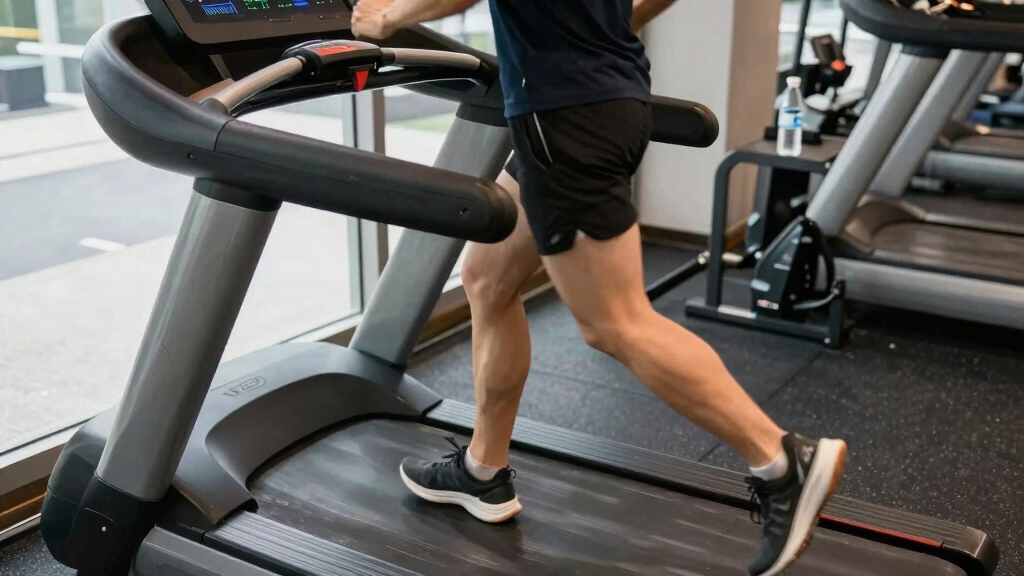
Runner’s high is driven mainly by endocannabinoids, not just endorphins. Certain training and environmental factors can increase the likelihood of experiencing this euphoric state, which offers mental health benefits.
Recent scientific findings confirm that runner’s high is primarily caused by the body’s endocannabinoid system, not just endorphins, and that specific training and environmental factors can enhance the chances of experiencing this euphoric state.
Studies indicate that endocannabinoids, naturally produced by the body, are key drivers of runner’s high, contributing to feelings of euphoria, reduced anxiety, pain relief, and altered perception of time. These chemicals increase during moderate to vigorous running efforts and remain elevated for about 30-45 minutes afterward, according to Dr. Daya Grant, a neuroscientist.
While endorphins are involved, they do not cross the blood-brain barrier effectively, making endocannabinoids the more likely cause of the sensation. Dopamine and norepinephrine also play roles during prolonged or intense exercise, enhancing motivation and focus. The experience of runner’s high is distinct from flow state, though they can occur simultaneously, with flow characterized by a sense of effortless performance and reduced awareness of fatigue, as explained by Dr. Trish Jackman.
Environmental factors, such as exercising in nature, may amplify these neurochemical effects, but the core triggers are linked to the intensity and duration of effort. High-intensity interval training can produce similar neurochemical responses but does not always result in the subjective feeling of euphoria.
Why It Matters
Understanding the neurochemical basis of runner’s high can help athletes and recreational runners tailor their training to maximize mental health benefits, including stress reduction and mood enhancement. This knowledge also dispels misconceptions, emphasizing that the high is rooted in specific brain chemistry rather than just endorphins.

ASICS Men's NOVABLAST 5 Trail Running Shoes, 8, Nature Bathing/Lichen Rock
Breathable engineered mesh upper: A lightweight, breathable mesh material helps reduce the need for additional overlays.
As an affiliate, we earn on qualifying purchases.
As an affiliate, we earn on qualifying purchases.
Background
The concept of runner’s high has long been debated, with early theories attributing it mainly to endorphins. Recent research from the 1990s onward, particularly on animal models, has shifted focus to endocannabinoids as the primary neurochemical responsible. The phenomenon is often associated with moderate to vigorous aerobic activity, and environmental factors like natural settings may contribute to its intensity.
“Endocannabinoids are the main mechanism behind the runner’s high, involved in euphoria, anxiety reduction, pain modulation, and mood enhancement.”
— Dr. Daya Grant
“Flow and runner’s high often occur together but are distinct; flow involves being fully immersed, while runner’s high is more about euphoria and reduced perception of fatigue.”
— Dr. Trish Jackman
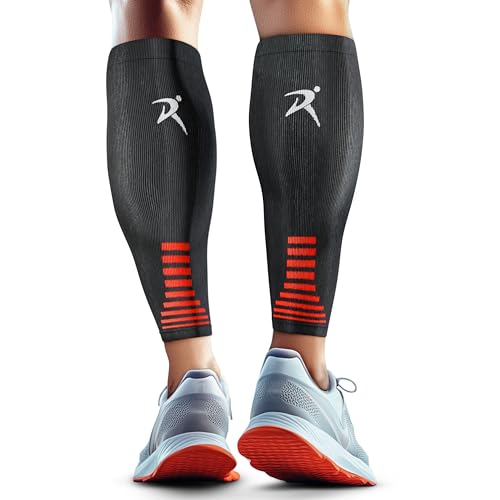
Rymora Calf Compression Sleeves Men Women Shin Splints Running (Pair) (Black) (M)
DON’T GUESS YOUR SIZE, FOR BEST FIT CHECK SIZE CHART (IN IMAGES): Getting the right size is important….
As an affiliate, we earn on qualifying purchases.
As an affiliate, we earn on qualifying purchases.
What Remains Unclear
While the role of endocannabinoids is well-supported, individual variability in experiencing runner’s high remains high, and the influence of environmental factors like terrain or location is not fully understood. It is also unclear how different training modalities specifically impact the neurochemical response in diverse populations.

Ultimate Guide to HIIT: High-Intensity Interval Training
As an affiliate, we earn on qualifying purchases.
As an affiliate, we earn on qualifying purchases.
What’s Next
Future research aims to better understand personal differences in neurochemical responses and develop training protocols optimized for inducing runner’s high. Runners may experiment with effort levels and environments to enhance their experience.

restirr Runner’s Recovery: Triple Action Extra Strength Hydration, Muscle Recovery and Joint Support – with Electrolytes, Magnesium, Potassium, glucosamine & msm: 30 doses
MORE THAN JUST ELECTROLYTES: restirr Runner’s Recovery is an extra strength hydration powder supplement designed specifically for runners…
As an affiliate, we earn on qualifying purchases.
As an affiliate, we earn on qualifying purchases.
Key Questions
Can anyone experience runner’s high?
Most people can experience it, but individual differences in brain chemistry and training habits influence its likelihood. Some may need specific effort levels or environments to trigger it.
Does running in nature increase the chances of runner’s high?
While direct evidence is limited, exercising in natural environments may enhance psychological wellbeing and neurochemical effects, potentially increasing the likelihood.
Is runner’s high the same as a flow state?
No, they are related but distinct states. Runner’s high involves euphoria and reduced anxiety, while flow is characterized by effortless focus and immersion in activity.
Can high-intensity interval training produce runner’s high?
Yes, it can trigger similar neurochemical responses, but it does not always lead to the subjective feeling of euphoria associated with runner’s high.
Source: Guardian Life