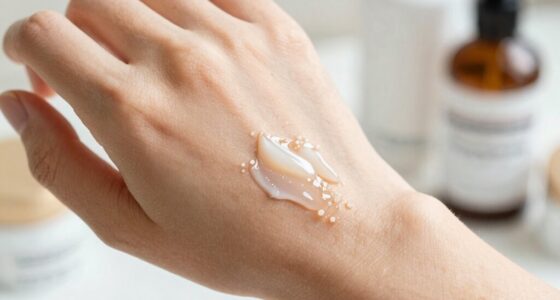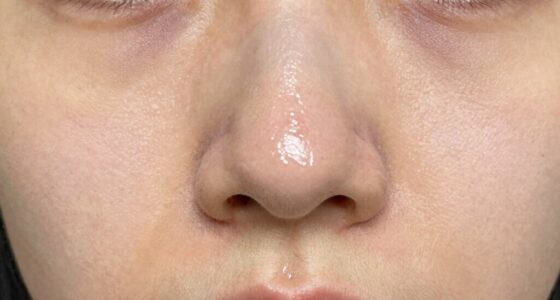


If you notice your skin feels tight, dry, or flaky after cleansing, you might be over-doing it. Breakouts, redness, and increased sensitivity are also common signs that your skin barrier is compromised. Using harsh ingredients or washing too often can strip essential oils and disrupt your skin’s natural balance. To protect your skin, it’s essential to recognize these sneaky signals and adjust your routine. Keep exploring to learn how to nourish your skin and prevent damage.
Key Takeaways
- Look for persistent dryness, tightness, or irritation after cleansing, indicating your skin barrier may be compromised.
- Notice increased breakouts or sensitivity, as over-cleansing can clog pores and cause inflammation.
- Recognize dull, flaky skin and loss of elasticity, signs of excessive stripping of natural oils.
- Avoid using harsh ingredients like sulfates, alcohols, or frequent exfoliants that damage the skin’s protective barrier.
- Use gentle, appropriate cleansers and techniques, such as lukewarm water and soft motions, to prevent over-cleansing.

Vanicream Gentle Facial Cleaner with Pump Dispenser, 8 Fl Oz, Formulated without Common Irritants for Sensitive Skin, Removes Makeup, Dirt & Excess Oils, Non-Comedogenic, pH-Balanced Face Wash
- Gentle daily facial cleanser: Mild formula for sensitive skin
- Removes makeup and oils: Effectively cleans without drying
- Leaves skin soft and clean: Provides a fresh, smooth feel
As an affiliate, we earn on qualifying purchases.
As an affiliate, we earn on qualifying purchases.
Why Over-Cleansing Harms Your Skin
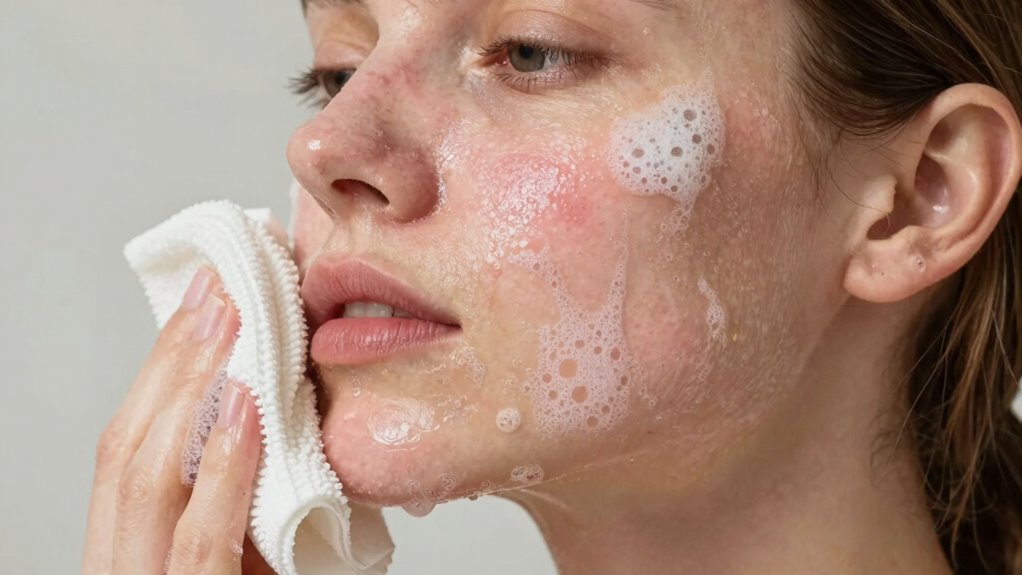
Over-cleansing your skin might seem like a good way to keep it fresh and free of dirt, but in reality, it can do more harm than good. When you wash too often or use harsh products, you risk disrupting your skin’s natural barrier. This disruption can lead to ingredient sensitivities, making your skin more prone to irritation and redness. Additionally, over-cleansing affects your skin’s pH balance, which is vital for healthy, resilient skin. When the pH becomes too alkaline, your skin may become dry, flaky, or inflamed. Instead of protecting your skin, over-cleansing strips away essential oils and disrupts its natural functions. The result? Your skin’s ability to defend itself diminishes, leaving it vulnerable to environmental stressors and future damage. Incorporating gentle cleansing routines can help maintain your skin’s natural defenses and promote overall skin health. Proper cleansing techniques help preserve the skin’s barrier function, ensuring it remains resilient against external factors. Regularly checking and cleaning skincare tools can also prevent the buildup of bacteria that may irritate your skin and worsen sensitivities. Using skincare products with gentle ingredients, such as mild cleansers, can further support your skin’s health and avoid over-stripping.

THAYERS pH Balancing Daily Cleanser, Face Wash with Aloe Vera, Gentle and Hydrating Skin Care for Dry, Oily, or Acne Prone Skin, 8 FL Oz.
- pH Balancing Formula: Clinically tested to balance skin pH
- Gentle Cleansing Action: Removes dirt, oil, and impurities
- Hydrates and Softens: Leaves skin feeling soft and balanced
As an affiliate, we earn on qualifying purchases.
As an affiliate, we earn on qualifying purchases.
How to Recognize the Signs of Over-Cleansing

If your skin feels consistently tight and dry after cleansing, it might be overdoing it. You could also notice more breakouts and irritation than usual. These signs indicate your skin’s barrier is compromised and needs gentler care. Additionally, using overly harsh cleansers can strip away natural oils, leading to increased sensitivity and imbalance in skin health. Incorporating gentle, skin barrier repair routines can help restore your skin’s natural moisture and protective barrier. Being mindful of your cleansing method can prevent disruption of your skin’s delicate barrier function and promote healthier skin over time.
Persistent Tightness and Dryness
Persistent tightness and dryness are common signs that your skin is being over-cleansed. When you strip away too much of your skin’s natural oils, it disrupts the hydration balance and weakens your skin’s elasticity. You might notice your skin feels tight and uncomfortable immediately after cleansing, and this sensation may persist throughout the day. Over time, this dryness can lead to flakiness and a rough texture, making your skin look dull. If your skin consistently feels tight and lacks suppleness, it’s a clear indicator that you’re removing too much moisture and disrupting its natural barrier. Using harsh soaps or over-washing can further compromise your skin’s barrier function, making it more vulnerable to irritation and infection. To maintain healthy skin, focus on gentle cleansing routines that preserve hydration and support your skin’s elasticity rather than stripping it of essential oils. Additionally, understanding the importance of natural skin oils can help you choose the right products that protect your skin’s delicate balance. Recognizing the role of skin’s protective barrier can guide you in selecting gentler cleansing methods that avoid damage. Incorporating hydrating ingredients into your skincare routine can further help restore and maintain your skin’s health. Being mindful of your skin’s hydration levels can help prevent over-cleansing and keep your skin resilient.
Increased Breakouts and Irritation
When you over-cleanse, your skin’s natural defenses can become compromised, leading to increased breakouts and irritation. Over-cleansing strips away essential oils, causing your skin to produce even more oil as a response. This excess oil can lead to oil buildup, which clogs pores and creates the perfect environment for breakouts. You might notice small pimples, redness, or persistent irritation that doesn’t improve with time. Your skin may feel oilier or more sensitive than usual, and existing acne could worsen. These signs indicate your skin is reacting negatively to over-cleansing. To prevent this, avoid excessive washing and choose gentle cleansers that respect your skin’s natural barrier. Implementing comprehensive architectural solutions can help you develop a balanced skincare routine that maintains your skin health. Recognizing these signs helps you adjust your routine before irritation and breakouts become more severe. Being aware of skin barrier damage is crucial for maintaining healthy skin and avoiding long-term issues. Additionally, understanding the importance of water’s role in skin health, such as proper hydration, can further support your skin’s resilience. Incorporating smart skincare practices can help you protect your skin from future damage and maintain its natural glow. Regularly using hydrating products can further help restore your skin’s moisture balance and reduce irritation.

COSRX 7X Ceramide Moisturizer for Face, Barrier Repair Face Cream, 2.7oz
- Ceramide Barrier Complex: Supports and repairs dry, sensitive skin
- Long-lasting Hydration: Provides 200+ hours of moisture per use
- Soothes Sensitive Skin: Calms dryness, itchiness, and irritation
As an affiliate, we earn on qualifying purchases.
As an affiliate, we earn on qualifying purchases.
How Over-Cleansing Damages Your Skin Barrier

Over-cleansing strips away the skin’s natural oils and disrupts its protective barrier, leaving your skin more vulnerable to irritation and environmental stressors. When you wash too often or use harsh products, you upset your skin’s pH balance, which is essential for maintaining its resilience. This imbalance weakens the barrier, making it harder for your skin to defend against pollutants and bacteria. Over time, it can cause dryness, redness, and increased sensitivity. To understand this better, consider this table:
| Effect | Cause | Result |
|---|---|---|
| Weakened barrier | Excessive cleansing | Increased sensitivity |
| pH imbalance | Harsh cleansers | Dryness and irritation |
| Reduced resilience | Disrupted skin barrier | Easier damage from stressors |
| Loss of oils | Over-washing | Dull, flaky skin |
| Increased irritation | Stripping natural oils | Redness and breakouts |
Additionally, over-cleansing can impair the skin’s ability to maintain hydration, which is crucial for overall skin health. Protect your skin by avoiding over-cleansing to preserve its pH and resilience.

Vangines Blackhead Remover Tool, Stainless Steel Face Scraper, Skin Scrubber Face Spatula for Deep Cleansing, 3-in-1 Skin Care Tool with Blackhead Scraper, Mask Applicator & 2 Silicone Heads (Green)
- 2-in-1 Blackhead & Mask Tool: Dual-ended for blackhead removal and mask application
- Gentle Stainless Steel Spatula: Smooth-edged, rust-resistant for safe pore care
- Silicone Mask Applicator: Evenly spreads masks and skincare products
As an affiliate, we earn on qualifying purchases.
As an affiliate, we earn on qualifying purchases.
Which Cleansers’ Ingredients Might Be Causing Damage
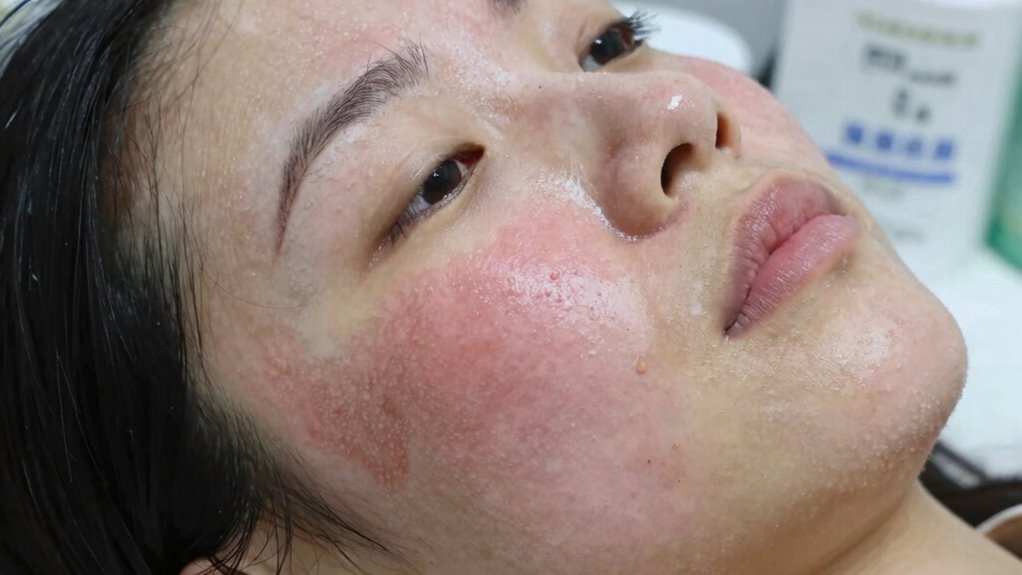
Certain cleanser ingredients can harm your skin if you’re not careful. Harsh sulfates and alcohols can strip your skin’s natural oils, leading to irritation. Artificial fragrances and dyes might cause allergic reactions or sensitivity over time. Additionally, some ingredients may contain toxicity concerns, which can further compromise skin health and overall safety. Using cleansers with gentle, skin-friendly ingredients can help maintain your skin’s natural barrier and prevent over-cleansing. Incorporating sound scientific principles into your skincare routine ensures you select products that truly benefit your skin. Being aware of regulatory standards can also guide you toward safer, more effective cleansing options.
Harsh Sulfates and Alcohols
Harsh sulfates and alcohols in many cleansers can strip away your skin’s natural oils, leading to irritation, dryness, and a compromised skin barrier. These ingredients often remove not only dirt but also essential moisture, making your skin feel tight and flaky. To protect your skin and maintain hydration, look for cleansers with gentle ingredients that respect your skin’s natural balance.
Here are three key points to contemplate:
- Sulfates like SLS and SLES can cause over-drying and irritation.
- Alcohols such as denatured alcohol and SD alcohol can strip moisture and weaken your skin’s barrier.
- Choosing alcohol-free, sulfate-free cleansers helps preserve your skin’s hydration and barrier function.
Opt for gentle products that cleanse without sacrificing skin health.
Artificial Fragrances and Dyes
Many cleansers include artificial fragrances and dyes to enhance scent and appearance, but these ingredients can do more harm than good. Artificial fragrances often contain numerous chemical compounds that can irritate sensitive skin or trigger allergic reactions. Artificial dyes, on the other hand, may cause skin inflammation or exacerbate existing skin conditions. These additives can disrupt your skin’s natural barrier, leading to increased dryness, redness, or breakouts. Since your skin is already vulnerable from over-cleansing, exposing it to unnecessary chemicals only worsens the problem. Opting for fragrance-free and dye-free cleansers helps minimize irritation and keeps your skin’s natural balance intact. Reading labels carefully ensures you avoid these sneaky ingredients that might be doing more damage than you realize.
Daily Habits That Lead to Over-Cleansing

If you’re not careful with your daily routines, habits like washing your face more than twice a day or using harsh cleansers can quickly lead to over-cleansing. Overdoing it strips your skin’s natural oils, causing dryness and irritation. For example, neglecting mask mandates on your skincare products can lead to unnecessary dryness. Additionally, skipping sunscreen application or washing your face immediately after sun exposure can damage your skin barrier. Here are three habits to watch out for:
- Washing your face multiple times daily, especially with strong cleansers
- Overusing exfoliants or scrubs, which can damage your skin’s surface
- Regularly using harsh skincare products without giving your skin time to recover
Be mindful of these habits to preserve your skin’s health and avoid over-cleansing.
How to Find the Right Cleansing Routine for Your Skin

Finding the right cleansing routine starts with understanding your skin’s unique needs. Don’t fall for cleansing myths that suggest more frequent washing is always better; over-cleansing can harm your skin’s hydration barrier. Instead, pay attention to how your skin reacts—if it feels tight, flaky, or greasy shortly after cleansing, adjust your routine accordingly. Choose gentle cleansers suited for your skin type, whether it’s oily, dry, or sensitive, and avoid harsh ingredients. Focus on maintaining skin hydration by using lukewarm water and avoiding excessive scrubbing. Remember, a good cleansing routine balances removing dirt and excess oil without stripping your skin of essential moisture. Tailoring your routine helps protect your skin’s natural barrier and keeps it healthy and radiant.
The Importance of Gentle Cleansing and Proper Technique
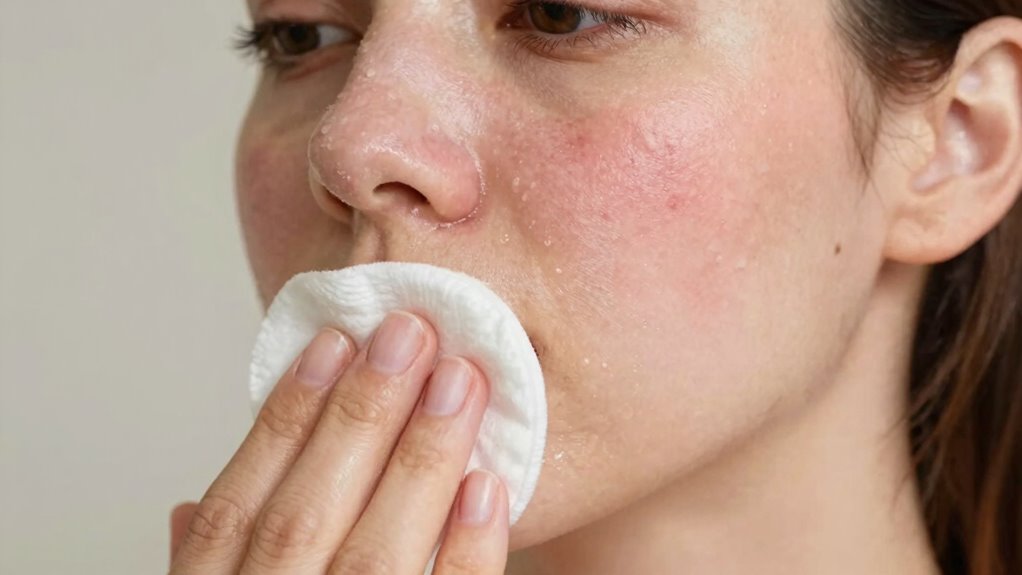
Gentle cleansing is essential because harsh scrubbing or aggressive formulas can damage your skin’s delicate barrier. Using a gentle touch guarantees you clean effectively without causing irritation or stripping away oils. Proper technique is key to maintaining healthy skin; rushing or applying too much pressure can lead to dryness and inflammation. Keep these tips in mind:
- Use lukewarm water instead of hot, which can dry out your skin.
- Apply cleanser with your fingertips using soft, circular motions.
- Rinse thoroughly without scrubbing or harsh scrapes.
What to Do if You Think You’re Over-Cleansing?

When you notice your skin becoming dry, tight, or irritated despite following proper cleansing techniques, it might be a sign you’re over-cleansing. To address this, focus on balancing hydration by using a moisturizer suited to your skin type. Switch to choosing gentle cleansers that don’t strip away your skin’s natural oils. Reduce how often you cleanse—consider twice daily or even once if your skin reacts negatively. Avoid harsh scrubs or foaming products that can aggravate your skin’s barrier. Incorporate soothing, hydrating ingredients such as hyaluronic acid or glycerin. Give your skin time to recover and avoid over-washing. Remember, less is more; gentle, consistent cleansing helps restore your skin’s health without causing further damage.
Natural Remedies to Support Skin Barrier Recovery
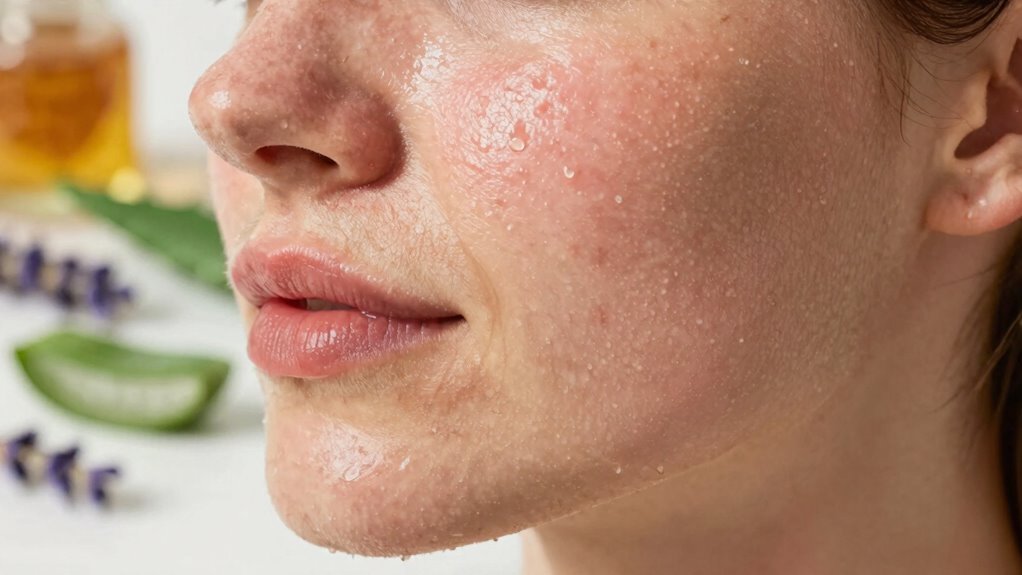
Are you looking for natural ways to help your skin barrier heal? Incorporating gentle remedies can make a real difference. Natural oils like jojoba, argan, and avocado are rich in fatty acids that nourish and reinforce your skin’s protective layer. Herbal extracts such as chamomile, calendula, and aloe vera soothe irritation and promote healing. To maximize benefits, consider these tips:
- Use cold-pressed, unrefined natural oils for their purity and potency.
- Apply herbal extracts directly or opt for products containing these soothing ingredients.
- Combine oils and extracts in your routine for a calming, restorative effect.
These natural remedies support your skin’s recovery process without stripping essential moisture, helping you restore a healthy, resilient barrier.
When to Seek Professional Help for Skin Irritation

While natural remedies can support your skin’s healing, there are times when irritation signals that professional help is needed. If redness, swelling, or persistent itching continues despite your efforts, it’s time to see a dermatologist for a thorough skincare assessment. Seek professional advice if your skin reacts severely to products, develops blisters, or worsens over time. Ignoring these signs can lead to more serious issues or scarring. A dermatologist consultation can help identify underlying causes, whether it’s an allergy, dermatitis, or another condition. Don’t hesitate to reach out if over-the-counter remedies aren’t improving your skin. Prompt professional guidance ensures you get targeted treatment and prevents further damage, helping your skin recover safely and effectively.
Frequently Asked Questions
Can Over-Cleansing Cause Premature Skin Aging?
Yes, over-cleansing can contribute to premature skin aging. When you strip your skin’s natural oils, you weaken its elasticity and barrier, making it more vulnerable to environmental damage and fine lines. This can accelerate aging concerns, causing your skin to look dull and less firm. To protect your skin’s youthful glow, you should cleanse gently and avoid excessive washing, especially if you notice signs of dryness or irritation.
Are There Specific Skin Types More Prone to Over-Cleansing Issues?
Yes, sensitive and dry skin types are more prone to over-cleansing issues. You might notice redness, irritation, or increased dryness if you over-wash. Sensitive skin reacts quickly to harsh ingredients, while dry skin struggles to retain moisture when over-cleansed. To avoid problems, use gentle, hydrating cleansers tailored for your skin type and limit cleansing to twice a day. Pay attention to your skin’s response and adjust your routine accordingly.
How Long Does It Take to See Improvements After Reducing Cleansing Frequency?
It typically takes about two to four weeks to see noticeable skin improvement after reducing your cleansing frequency. Your skin needs time to rebalance and restore its natural oils. By adjusting your cleansing habits, you allow your skin’s barrier to heal, leading to fewer irritations and a healthier glow. Be patient and consistent; the skin improvement timeline varies individually, but steady changes usually become visible within this period.
Can Over-Cleansing Lead to Increased Oil Production?
Think of your skin as a delicate balance scale—you over-clean and it tips, causing oil imbalance. Over-cleansing strips away natural oils, triggering your skin to produce even more oil to compensate. This increased oil can clog pores, leading to pore congestion. So yes, over-cleansing can backfire, making your skin oilier and more prone to breakouts. Keep your routine gentle, and your skin will thank you with clarity and balance.
Is It Safe to Use Exfoliating Acids Alongside Regular Cleansers?
Using exfoliating acids alongside regular cleansers can be safe if you follow acid safety guidelines. You should avoid over-exfoliating by limiting how often you use acids and choosing gentle formulas. Combining exfoliant products carefully can enhance skin renewal without irritation. Always patch test new products and consult a dermatologist if you’re unsure about exfoliant combination, especially if you have sensitive skin or skin conditions.
Conclusion
Remember, over-cleansing is like peeling away the protective layers of your skin’s delicate fortress. When you strip too much, you leave your skin vulnerable to damage and dryness, like a garden left unwatered and neglected. Treat your skin with kindness, using gentle habits and nourishing ingredients. Instead of battling your skin, nurture it back to health, allowing your natural glow to shine through like a sunrise breaking through stormy clouds.