
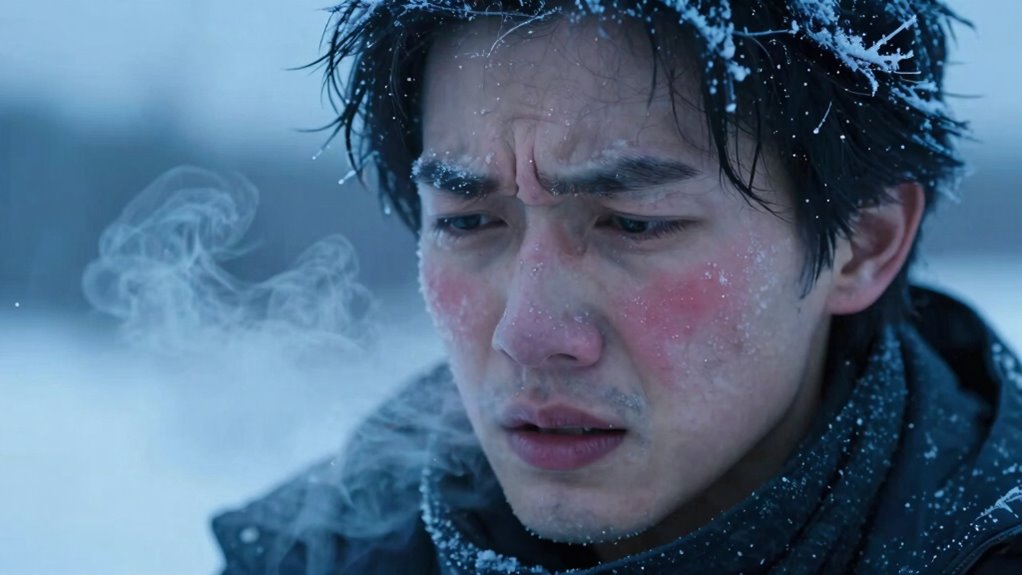

Cold exposure quickly shifts your mood by releasing endorphins and adrenaline, making you feel more alert and alive. It boosts your energy levels through heightened circulation and stress responses, helping you stay focused. At the same time, cold sharpens your body awareness by intensifying physical sensations and highlighting your thermal limits. With consistent practice, you can build resilience and emotional stability. Explore how these responses can become a natural part of your wellness journey.

Turn your quiet moments into listening time
- Thousands of audiobooks, podcasts and originals
- Listen on your phone, tablet or Echo — also offline
- Cancel anytime
Key Takeaways
- Cold exposure triggers endorphin and adrenaline release, boosting alertness and elevating mood.
- It enhances energy levels through increased circulation and metabolic activity during thermal regulation.
- Cold sharpens body awareness by increasing sensitivity to physical sensations and thermal boundaries.
- It promotes emotional stability and resilience by training the nervous system to handle stress better.
- Controlled cold practices improve mental clarity and foster a sense of vitality and being more alive.

When the temperature drops, it can considerably influence how you feel, move, and sense your body. Cold exposure impacts your mood, energy levels, and body awareness in surprising ways. You might notice a boost in alertness or a sudden shift in your emotional state, often linked to the release of endorphins and adrenaline triggered by the cold. These natural responses can make you feel more alive and focused, especially if you practice thermal regulation techniques that help you adapt safely. Cold exposure benefits extend beyond just feeling invigorated; they also promote resilience by training your nervous system to better handle stressors. This process can improve your overall mental clarity and emotional stability over time. Incorporating controlled cold exposure can also strengthen your immune response, helping your body defend against illnesses more effectively.
Cold exposure boosts mood, sharpens focus, and builds resilience through natural stress responses and thermal regulation techniques.
Your body responds to cold by activating mechanisms to maintain core temperature. When you expose yourself to cold, your body works harder to generate heat, which increases circulation and oxygen flow to your tissues. This heightened activity can make you feel more energetic initially, but it also demands that you listen to your body’s signals. Incorporating thermal regulation techniques such as gradual cold exposure or controlled breathing exercises helps you harness these benefits without risking hypothermia or discomfort. These practices teach your body to adapt efficiently, boosting your ability to stay calm and focused during sudden temperature shifts. Developing an understanding of your thermal limits can help you better prevent overexposure and maintain safety in colder environments. Additionally, understanding how your body responds to cold can aid in designing environments that optimize comfort and health, such as proper ventilation and insulation.
The way cold influences your body awareness is quite profound. As you become more attuned to your physical sensations during cold exposure, you develop a sharper sense of your boundaries and reactions. You start recognizing when your body is cold enough to need warmth or when you’re pushing too far, which enhances your overall self-awareness. This increased sensitivity can translate into better stress management and emotional regulation because you’re more in tune with your physical and mental states. Using thermal regulation techniques like layering clothing, mindful breathing, or cold plunges helps you control your environment and your responses, fostering a sense of mastery over your body and mind. Recognizing and respecting your thermal limits is essential for safely experiencing the benefits of cold exposure and cultivating resilience.
As an affiliate, we earn on qualifying purchases.
Frequently Asked Questions
Can Cold Exposure Improve Mental Clarity?
Yes, cold exposure can improve your mental clarity. By practicing thermal regulation and cold adaptation, your body becomes better at managing temperature swings, which can sharpen your focus. Cold exposure stimulates the release of neurotransmitters like norepinephrine, enhancing alertness. Regular cold exposure trains your body to adapt, leading to improved mental clarity and resilience. So, incorporating brief cold exposure sessions may boost your overall mental sharpness and concentration.
How Quickly Does Cold Impact Mood?
Cold can impact your mood within minutes as your body reacts through cold adaptation, triggering the release of endorphins that boost your mood. You might notice increased alertness and a sense of calmness quickly, especially if you practice regular cold exposure for mood regulation. However, individual responses vary, and consistent exposure helps your body adapt better, making mood improvements more sustained over time.
Are There Long-Term Effects of Cold on Energy Levels?
Cold exposure can have lasting effects on your energy levels by boosting your metabolic rate and helping regulate hormonal balance over time. When you regularly experience cold, your body adapts, potentially increasing energy efficiency and resilience. However, prolonged cold without proper adaptation might lead to fatigue or hormonal disruptions. Staying mindful of how cold impacts you personally helps maintain your energy and overall well-being in the long run.
What Are the Safest Ways to Expose Oneself to Cold?
You can safely expose yourself to cold by starting with cold water immersion sessions, gradually increasing duration to build tolerance. Participating in winter outdoor activities like skiing or snowshoeing also provides controlled cold exposure. Always listen to your body, avoid prolonged exposure, and consult a healthcare professional if you have underlying health conditions. Proper preparation and moderation guarantee you enjoy the benefits of cold exposure without risking your health.
Does Cold Exposure Affect Sleep Quality?
Cold exposure can positively affect your sleep quality by enhancing thermal regulation and promoting cold adaptation. When you expose yourself gradually to cold, your body learns to regulate temperature more efficiently, which can lead to deeper, more restorative sleep. However, avoid extreme cold right before bed, as it might disrupt sleep. Instead, incorporate gentle cold exposure earlier in the day to support your body’s natural thermal regulation processes.
As an affiliate, we earn on qualifying purchases.
Conclusion
You might be surprised to learn that cold exposure can boost your mood and energy levels—some studies show it can increase alertness by up to 30%. By embracing the cold, you not only sharpen your body awareness but also improve overall mental clarity. So, next time you face chilly weather or try cold therapy, remember you’re tapping into a powerful way to enhance your well-being. Embrace the cold, and see how it transforms your mood and resilience.
As an affiliate, we earn on qualifying purchases.
cold weather body awareness training tools
As an affiliate, we earn on qualifying purchases.
As an affiliate, we earn on qualifying purchases.
Fall Picks
fall essentials
As an affiliate, we earn on qualifying purchases.