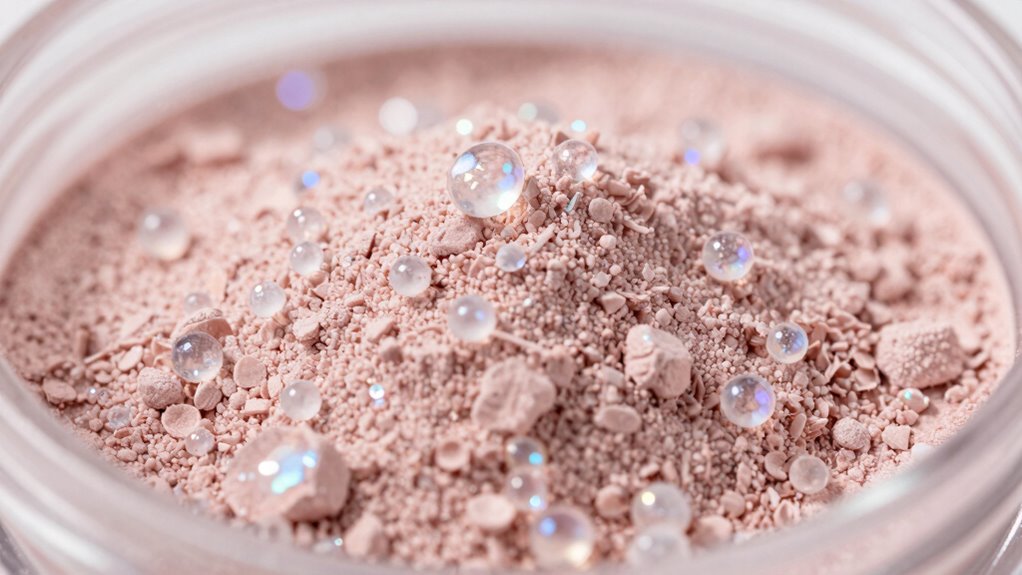

Microplastics in beauty products are tiny plastic particles, often less than five millimeters, either added intentionally or created when larger plastics break down. These microplastics include microbeads used for exfoliation and other small fragments from packaging. They wash down sinks, polluting waterways and harming marine life, which can eventually affect humans too. To learn how your beauty choices impact the environment and how to make better ones, keep exploring this important topic.

Turn your quiet moments into listening time
- Thousands of audiobooks, podcasts and originals
- Listen on your phone, tablet or Echo — also offline
- Cancel anytime
Key Takeaways
- Microplastics in beauty refer to tiny plastic particles, often less than five millimeters, used intentionally or resulting from plastic breakdown.
- Primary microplastics include microbeads in exfoliants, while secondary microplastics originate from degraded larger plastics.
- They serve functions like texture enhancement, absorption, or shimmer in cosmetic products.
- The term covers all microplastic particles present in beauty products, regardless of source or purpose.
- These particles can wash into water systems, contributing to environmental pollution and affecting aquatic life.
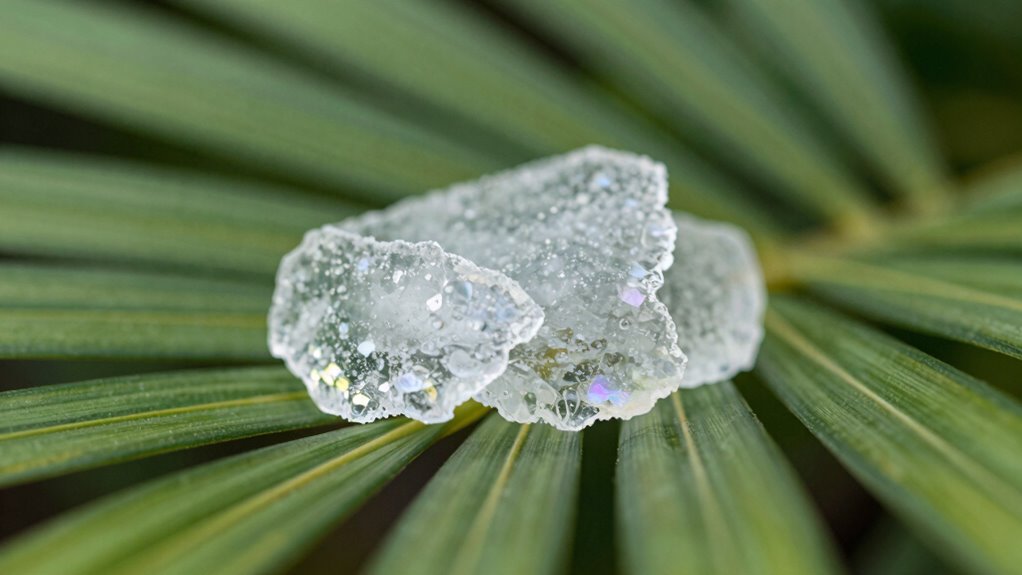
Microplastics are increasingly showing up in beauty products, raising concerns about their impact on the environment and our health. When you pick up your favorite exfoliant, moisturizer, or foundation, you might not realize that tiny plastic particles are hidden inside. These microplastics, often less than five millimeters in size, serve various functions in cosmetics, such as adding texture, enhancing absorption, or providing shimmer. While they might seem harmless, their presence in beauty products has significant implications for the environment, especially considering the widespread use of such products. When you wash your face or rinse off makeup, these microplastics are washed down the drain, eventually making their way into water systems. This process contributes to the growing problem of plastic pollution in oceans, where marine life often mistakes these particles for food. The environmental impact is profound, disrupting ecosystems, harming aquatic animals, and entering the food chain, which can eventually affect human health as well.
Understanding what microplastics in beauty products actually cover is essential for making informed choices. These tiny plastics can be categorized into two main types: primary and secondary microplastics. Primary microplastics are intentionally manufactured for use in cosmetics and personal care items. For example, microbeads used in exfoliants or facial scrubs are prime examples of primary microplastics. They are small, uniform, and designed specifically for their abrasive qualities. Secondary microplastics, on the other hand, originate from the breakdown of larger plastic debris, such as plastic bottles or packaging, which gradually fragments into tiny particles over time. Both types contribute to pollution, but primary microplastics are directly added to products without any biodegradation process.
Consumer awareness plays an essential role in addressing this issue. Many people are unaware that their everyday beauty routines could be contributing to environmental harm. As awareness increases, more brands are starting to eliminate microplastics from their formulations, emphasizing eco-friendly ingredients and sustainable packaging. When you educate yourself about microplastics, you empower your purchasing decisions, supporting companies committed to reducing plastic pollution. Reading labels carefully and choosing products labeled as “microplastic-free” or “biodegradable” can make a difference. Your choices matter because demand influences industry standards, encouraging more brands to adopt sustainable practices. By staying informed, you become part of the solution, helping to reduce environmental impact while protecting your health. Recognizing what microplastics cover and understanding their broader implications allows you to make conscientious decisions that benefit both the planet and your personal well-being.
microbead free exfoliating scrub
As an affiliate, we earn on qualifying purchases.
As an affiliate, we earn on qualifying purchases.
Frequently Asked Questions
Are Microplastics in Beauty Products Safe for Skin?
Microplastics in beauty products pose skin absorption concerns and allergenic potential. While some microplastics are considered inert, others may cause irritation or allergic reactions, especially for sensitive skin. You should be cautious and check ingredient labels, as prolonged skin contact might lead to absorption or irritation. It’s best to opt for natural or microplastic-free products to minimize these risks and protect your skin’s health.
Which Beauty Brands Use Microplastics in Their Products?
You might be surprised to learn some well-known beauty brands still use products with synthetic exfoliants and plastic microbeads. Companies like Clean & Clear, St. Ives, and Neutrogena have faced criticism for containing microplastics in their scrubs, despite the environmental concerns. It’s a coincidence that many brands overlook this issue, but by reading ingredient lists carefully, you can avoid products with microbeads and choose eco-friendly alternatives.
How Can Consumers Identify Microplastics on Ingredient Labels?
To identify microplastics on ingredient labels, you should focus on decoding ingredients. Look for words ending in “-ene” or “-ane,” like polyethylene or polypropylene, which are common microplastic types. Use microplastic identification tips like checking for exfoliants labeled as “polymer beads” or “microbeads.” Always research unfamiliar terms online, and consider apps that help decode ingredient labels quickly, ensuring you avoid products with microplastics.
Do Natural or Organic Products Contain Microplastics?
Natural or organic products generally don’t contain microplastics, especially if they follow certification standards like USDA Organic or COSMOS. However, some may still include microbeads or plastic particles if they don’t specify biodegradable alternatives. To prevent microplastics, check ingredient labels carefully and look for products that use biodegradable alternatives. Certifications ensure that the ingredients meet strict standards, reducing the risk of microplastic contamination in your beauty routine.
What Are the Long-Term Environmental Impacts of Microplastics in Beauty?
Microplastics in beauty products can cause long-term environmental impacts like ecosystem contamination and bioaccumulation effects. As these tiny particles accumulate in water and soil, they harm aquatic life and disturb food chains, eventually affecting human health. You might not see immediate damage, but over time, the persistence of microplastics leads to widespread pollution, making it essential for you to choose eco-friendly products.
As an affiliate, we earn on qualifying purchases.
Conclusion
As you reach for your favorite beauty product, imagine tiny microplastics slipping unseen into your routine, like invisible grains drifting through a breeze. These minuscule particles, though small, weave into the fabric of our environment, lingering long after you’ve finished. By understanding what microplastics really are, you can make mindful choices, helping to clear the air and water around you. Together, you can turn awareness into action, creating a cleaner, brighter future.
As an affiliate, we earn on qualifying purchases.
As an affiliate, we earn on qualifying purchases.
Halloween Picks
halloween
As an affiliate, we earn on qualifying purchases.