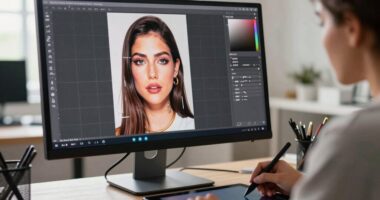
Feeling confident with facial edits starts with the ‘Stop Before Drag’ rule—discover how this simple step can transform your editing precision and outcome.
Why Facial Techniques Work Better on a Calm Schedule
The truth about why facial techniques work better on a calm schedule reveals how slowing down enhances results and transforms your skincare routine into a nourishing ritual.
The Difference Between Skin Stimulation and Skin Stress
Understanding the difference between skin stimulation and stress can help you protect and enhance your skin’s health—discover how to do it effectively.
The Best Way to Combine Manual Massage With Device-Based Rituals
Here’s a way to blend manual massage with device rituals for ultimate relaxation, but discovering the perfect balance requires exploring your unique needs.
How to Keep At-Home Techniques From Turning Into Overwork
Just setting boundaries and routines can prevent at-home work from becoming overwork, but knowing how to do it effectively is key to maintaining balance.