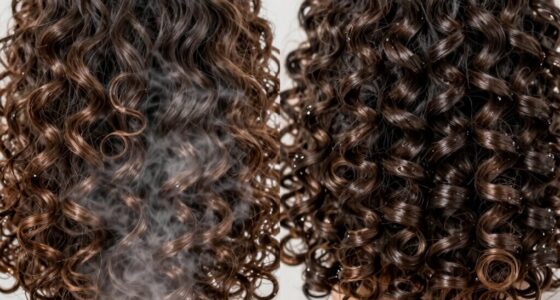

Right after steaming, many people make the mistake of applying heavy products immediately, which can overload their open cuticles and cause greasiness. Your strands are especially receptive to moisture at this point, so using lightweight, targeted products is key. Overloading your hair can hinder long-term moisture retention and cause buildup. If you want to understand how to keep your hair soft, shiny, and healthy after steaming, keep exploring these tips.

Turn your quiet moments into listening time
- Thousands of audiobooks, podcasts and originals
- Listen on your phone, tablet or Echo — also offline
- Cancel anytime
Key Takeaways
- Applying heavy products immediately after steaming can overload open cuticles and cause greasiness.
- Rushing to seal in moisture without proper layering may lead to ineffective hydration.
- Using oils or creams too soon can weigh down hair and hinder moisture retention.
- Not preparing hair with a light water-based spray first can reduce absorption efficiency.
- Neglecting to follow a layered approach risks moisture loss and reduced hair health over time.
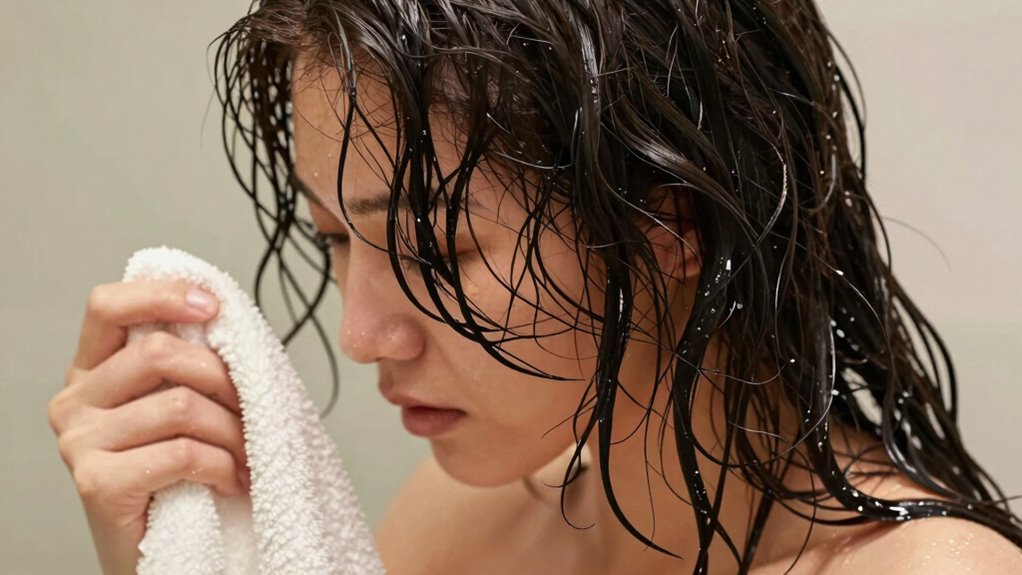
Hair steaming opens your hair cuticles, making it highly receptive to moisture. This is the moment when your strands are most vulnerable and ready to absorb hydration. But if you don’t approach this step with the right mindset, you could end up sabotaging your efforts. Many people make the mistake of rushing straight to applying heavy products or neglecting the importance of maintaining a proper hydration balance. Instead, you should focus on gentle, targeted product selection that enhances moisture retention without overwhelming your strands.
Treat steaming as a hydration opportunity—choose lightweight, targeted products to lock in moisture without overload.
Your goal after steaming is to lock in that moisture efficiently. This means choosing products that are lightweight and designed to seal rather than weigh down your hair. Heavy creams or oils may seem like a good idea, but if your hair isn’t prepared properly or if your product selection isn’t suitable, you risk leaving your hair feeling greasy or weighed down. Instead, opt for products that contain humectants like glycerin or aloe vera, which draw moisture into your hair without creating buildup. These ingredients help maintain hydration balance, ensuring your hair stays soft and pliable without becoming greasy or limp.
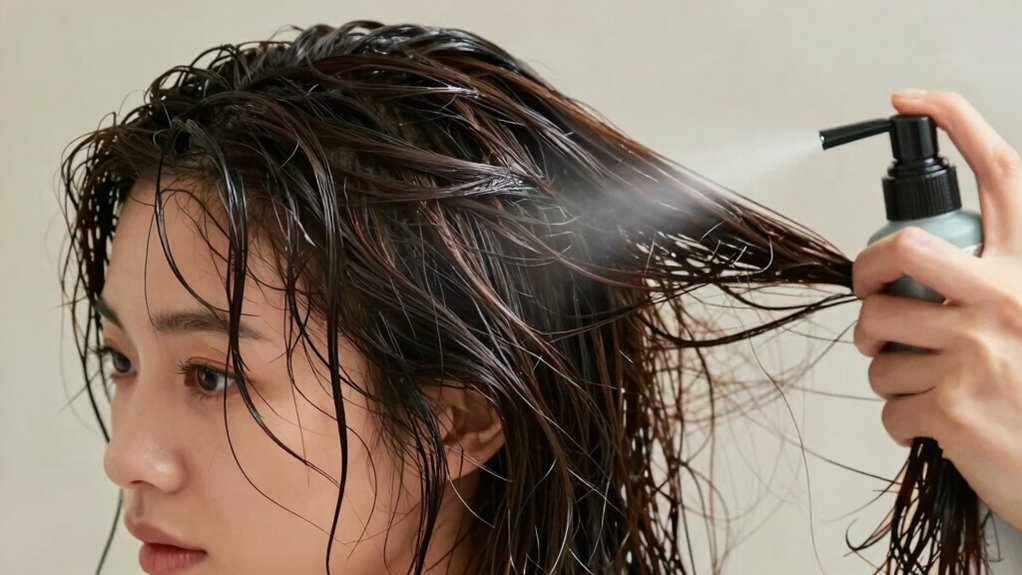
Another common mistake is applying products immediately after steaming without considering the state of your hair’s cuticles. When the cuticles are open, your hair is more vulnerable to environmental factors and product overload. You want to be strategic—use a light leave-in conditioner or a water-based spray first to further hydrate and prepare your strands. Then, follow up with a sealing agent, like a light oil or serum, to lock that moisture in. This layered approach maximizes hydration balance and prevents moisture loss, which is crucial for keeping your hair healthy and shiny. Recognizing the importance of hydration balance can significantly improve the effectiveness of your hair care routine. Additionally, understanding how cuticle health impacts moisture retention can help you tailor your routine for better results. A proper hydration routine** that supports your hair’s natural barriers is essential for long-term moisture retention. Moreover, incorporating gentle hair care practices** can help preserve your cuticle integrity and support overall hair health.
Implementing a hydration-focused routine that aligns with your hair’s needs can drastically improve your results over time.
lightweight leave-in conditioner for hair
As an affiliate, we earn on qualifying purchases.
As an affiliate, we earn on qualifying purchases.
Frequently Asked Questions
How Long Should I Wait Before Styling After Steaming?
You should wait about 15-20 minutes after steaming before styling your hair. This allows your hair’s porosity to adjust and maximizes product absorption, which is vital for effective styling. If your hair is highly porous, it absorbs moisture quickly, so waiting a bit longer might be beneficial. By giving your hair time to settle, you’ll ensure your styling products work better and your hair stays healthy and hydrated.
Can Using Cold Water Seal in Moisture Effectively?
Yes, using cold water can effectively seal in moisture, though it’s ironic since most think warmth is the key. You want to finish your hair steaming with a quick rinse in cold water to trigger moisture lock. This chilly splash helps close the hair cuticles, trapping that nourishing steam deep inside. So, while it feels counterintuitive, cold water actually boosts your hair’s moisture retention and overall health.
Does Hair Type Affect Post-Steaming Moisture Techniques?
Yes, your hair type affects post-steaming moisture techniques. If your hair has high porosity, it absorbs moisture quickly, so sealing with oils or creams helps lock it in. For low porosity hair, you might need lighter products and longer conditioning. Also, consider your scalp sensitivity; gentle products prevent irritation. Adjust your routine based on these factors to maximize moisture retention and keep your hair healthy after steaming.
Are There Specific Products I Should Avoid After Steaming?
You should avoid heavy, greasy products right after steaming, as they can cause product buildup and scalp irritation. Stay away from thick oils and overly silicone-based products that can clog pores. Instead, opt for lightweight, hydrating leave-in conditioners or water-based sprays. These help lock in moisture without overwhelming your scalp or causing buildup, ensuring your hair benefits from the steaming process without complications.
How Often Should I Steam My Hair for Optimal Moisture?
You should steam your hair once every one to two weeks, depending on your hair’s porosity and scalp health. If your hair is highly porous, more frequent steaming can help improve moisture absorption. For low porosity hair, less frequent sessions are better to prevent over-hydration. Always pay attention to your scalp health, ensuring it doesn’t become irritated or overly oily, which can reduce the benefits of steaming.
water-based hair spray for hydration
As an affiliate, we earn on qualifying purchases.
As an affiliate, we earn on qualifying purchases.
Conclusion
Remember, sometimes the biggest gains come from gentle patience. After your steaming session, avoid rushing to seal in moisture too quickly, as it might be like trying to hold a delicate whisper—best appreciated when handled softly. Embrace the natural flow of your hair’s needs, allowing it to breathe and absorb at its own pace. In nurturing that quiet moment, you’ll find your hair’s true beauty unfolds with grace and resilience, quietly revealing its best self.
As an affiliate, we earn on qualifying purchases.
hair sealing oil for moisture retention
As an affiliate, we earn on qualifying purchases.
As an affiliate, we earn on qualifying purchases.
Fall Picks
fall essentials
As an affiliate, we earn on qualifying purchases.