


Leaving small lights on or using artificial lighting before bed can quietly sabotage your sleep by disrupting your circadian rhythm and delaying melatonin production. Screens emitting blue light trick your brain into thinking it’s daytime, making it harder to relax and fall asleep naturally. Creating a dark, cozy environment and avoiding screens at least 30 minutes before bed can improve your sleep quality. If you want to uncover more ways to enhance your rest, keep going.
Open a free Amazon Business account
Business pricing, bulk buying and tax-exempt orders.
As an affiliate, we earn on qualifying purchases.
Key Takeaways
- Leaving bedroom lights on or using artificial light before bed delays melatonin production, disrupting sleep onset.
- Exposure to blue light from screens tricks the brain into thinking it’s daytime, hindering natural sleep signals.
- Using unnecessary lamps or electronic devices in the bedroom creates ambient light that can interfere with sleep quality.
- External light sources, like streetlights or early morning sun, can disrupt sleep if not properly blocked.
- Poor lighting habits before sleep can create a cycle of restless nights and tired mornings.
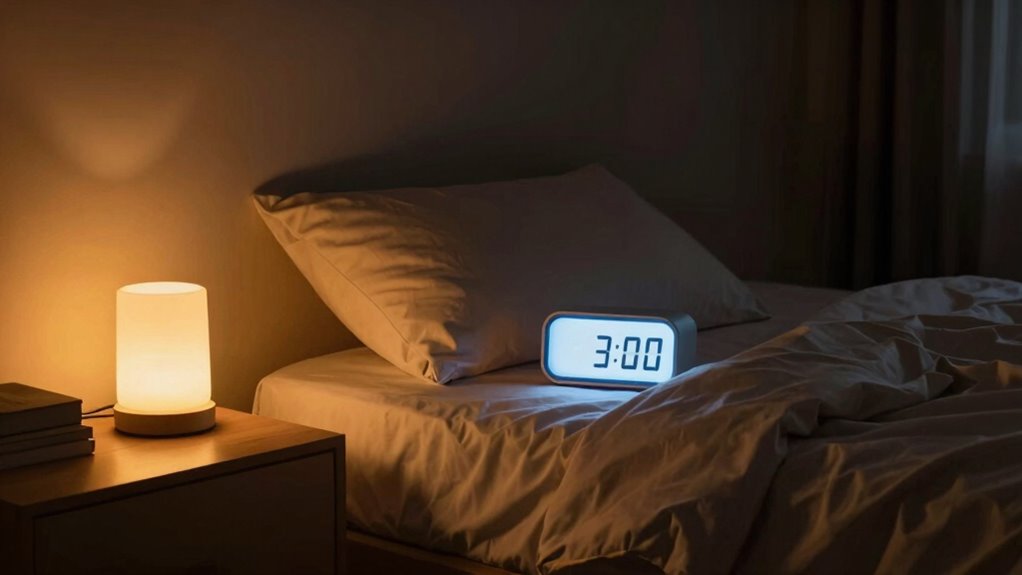
Many people overlook how a simple habit could be quietly sabotaging their sleep: leaving the bedroom lights on or using artificial light before bed. These small choices can considerably impact your ability to fall asleep and enjoy restorative rest. One of the biggest culprits is nighttime screen exposure. Whether it’s scrolling through your phone, binge-watching shows, or working on a laptop, the blue light emitted by screens tricks your brain into thinking it’s daytime. This delays the production of melatonin, the hormone responsible for signaling sleep, making it harder for you to wind down naturally. Over time, consistent exposure to screen light before bed can create a cycle of poor sleep quality, leaving you tired and less refreshed each morning. Using proper lighting techniques can help mitigate these effects and support your sleep health. Proper lighting not only reduces blue light exposure but also helps reinforce your body’s natural circadian rhythms. Additionally, adjusting the lighting environment can make a significant difference in how quickly you fall asleep and how restful your sleep is. Adjusting your sleep environment is a simple yet effective step toward better rest. When you keep your bedroom dark and free from artificial light, you signal to your body that it’s time to rest. This doesn’t mean complete darkness is necessary, but reducing ambient light can make a noticeable difference. Consider using blackout curtains or sleep masks to block out streetlights and early morning sun. Turning off unnecessary lamps and electronic devices further helps create a conducive sleep environment. Additionally, controlling bedroom lighting can enhance your sleep quality by supporting your circadian rhythm. Creating a consistent light-dark cycle is key to maintaining healthy sleep patterns, as it helps regulate your internal clock and prepares your body for restful sleep. You might not realize how much your nightly habits influence your sleep quality. For example, checking your phone right before bed not only exposes you to blue light but also engages your mind, making it harder to relax. Instead, establish a calming pre-sleep routine that involves dimming the lights and avoiding screens at least 30 minutes before bedtime. This allows melatonin levels to rise and your body to gradually transition smoothly into sleep mode. Incorporating other sleep-friendly habits, like reading a physical book or practicing relaxation techniques, further supports your efforts to improve sleep quality. Developing consistent pre-sleep routines can significantly enhance your overall sleep health.
As an affiliate, we earn on qualifying purchases.
Frequently Asked Questions
How Does Bedroom Lighting Affect Melatonin Production?
Bedroom lighting considerably affects your melatonin production because it influences your circadian rhythms and light sensitivity. Bright or blue light exposure before bed suppresses melatonin, making it harder to fall asleep. To promote better sleep, dim your lights or use warm, low-intensity lighting in the evening. When your light is softer, your body can naturally produce more melatonin, helping you fall asleep faster and enjoy deeper, restorative rest.
Are There Specific Light Colors More Disruptive to Sleep?
Think of light colors as the mood setters for your sleep scene. Cooler hues, like blue and violet, with high color temperature and intense light, act like morning sunbeams, signaling your brain to stay alert. Warmer tones, such as red and amber, with softer light, are gentler whispers that help you wind down. To sleep soundly, keep your room’s light temperature warm and dim, reducing light intensity as bedtime approaches.
Can Using a Phone in Bed Impact Sleep Quality?
Using your phone in bed can negatively impact sleep quality because screens exposure before sleep suppresses melatonin production, making it harder to fall asleep. It also disrupts your bedtime routines, signaling your brain that it’s time to stay alert. To improve sleep, try limiting screen use at least an hour before bed, and develop relaxing bedtime routines that don’t involve phones or bright lights.
What Are the Best Lighting Practices for a Healthy Sleep Environment?
To promote healthy sleep hygiene, keep your bedroom lighting low and soft in the evening, as high lighting intensity can interfere with melatonin production. Use dim, warm lights or blackout curtains to create a calming environment. Avoid screens before bed, and switch to lamps with warm bulbs. These lighting practices help signal your body it’s time to wind down, improving your overall sleep quality and duration.
Does Bedroom Lighting Influence Sleep Disorders?
Yes, bedroom lighting influences sleep disorders. High light intensity in your sleep environment can make it harder to fall asleep and worsen existing issues like insomnia. Bright lights can disrupt your circadian rhythm, leading to poor sleep quality. Even dim or blue light exposure before bed can interfere with melatonin production. To support better sleep, keep your bedroom dark and use low-intensity lighting, especially in the evening.
As an affiliate, we earn on qualifying purchases.
Conclusion
Avoid keeping your bedroom lights on or using screens before bed, as it can interfere with melatonin production and disrupt your sleep. Did you know that exposure to artificial light before bedtime can delay sleep by up to an hour? Small habits, like dimming lights an hour before sleep, can make a big difference. Prioritize a dark, calming environment to help you fall asleep faster and enjoy more restorative rest every night.
As an affiliate, we earn on qualifying purchases.
As an affiliate, we earn on qualifying purchases.
Flea & tick season Picks
flea and tick prevention
As an affiliate, we earn on qualifying purchases.