
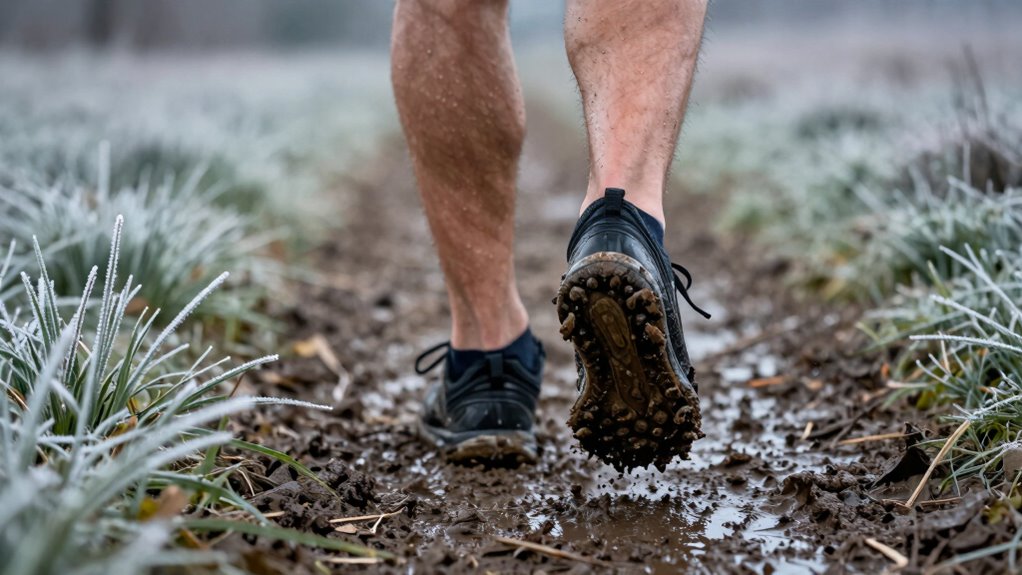

Before your cold plunge, warm up your body with light exercise like jogging in place or jumping jacks to raise your core temperature. This gentle activity helps reduce shock and makes the cold feel less intense. You can also splash your face or wrists with cold water gradually to acclimate your nervous system. Combining these steps helps your body prepare mentally and physically, making the experience more manageable. Keep going to discover more effective ways to build your cold resilience.
Get ready for Prime Big Deal Days — try Prime free
Exclusive member deals on October 6–7, plus fast free delivery. Cancel anytime.
As an affiliate, we earn on qualifying purchases.
Key Takeaways
- Perform light aerobic exercises to elevate body temperature before cold immersion.
- Gradually expose face or wrists to cold water to build tolerance incrementally.
- Incorporate deep breathing and visualization to mentally prepare for the plunge.
- Wear warm clothing or head coverings to reduce heat loss and enhance comfort.
- Use mindfulness or positive affirmations to reduce anxiety and improve focus during the cold plunge.
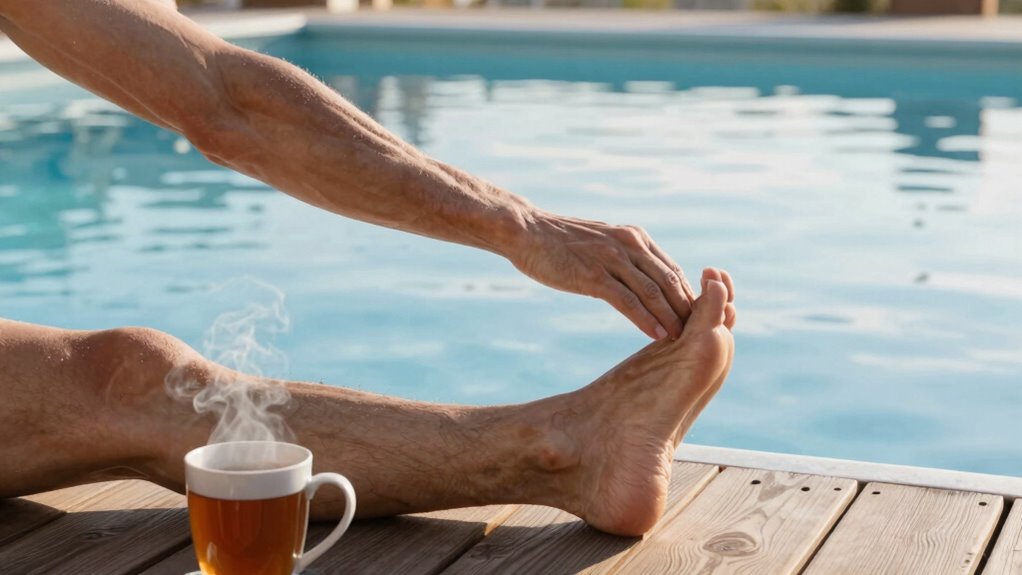
Before you plunge into icy waters, taking a proper warm-up step can make all the difference. This initial phase isn’t just about raising your body temperature; it’s equally about mental preparation and physical readiness. When you approach a cold plunge unprepared, your body and mind react with shock, making the experience more intense than it needs to be. But if you take intentional steps beforehand, you set yourself up for a smoother, more manageable experience.
Start by focusing on your mental state. Take a few deep breaths to calm your nerves and visualize the process. Remind yourself that the cold is temporary and that you’re in control. This mental preparation reduces anxiety and helps you build confidence, making the cold water feel less overwhelming. Visualizing your successful entry can also boost your focus, so you’re not caught off guard by the sudden chill. In addition, practicing mindfulness or positive affirmations can reinforce your resolve, creating a mindset that’s resilient against the initial shock.
Focus on your mind: breathe deeply, visualize success, and build confidence to ease the cold shock.
Physical readiness is equally essential. Before stepping into the cold, do some light aerobic activity—like jogging in place or jumping jacks—to increase blood flow and elevate your core temperature. This brief warm-up activates your muscles, making the cold less jarring. Avoid intense exercise right before the plunge, as it can lead to fatigue or dizziness once submerged. Instead, aim for gentle movements that promote circulation without exhausting yourself. Stretching can also help loosen your muscles and prevent cramps, which could be dangerous in cold water. Incorporating body temperature regulation techniques can further enhance your comfort level. Additionally, understanding your cold exposure tolerance can help you tailor the acclimation process more effectively. Incorporating gradual exposure over time can also build your cold resilience, making future plunges more comfortable.
Another effective method is to gradually acclimate your body to the cold. Start by splashing your face or wrists with cold water, gradually increasing exposure over time. This mild exposure trains your nervous system to handle cold stimuli better, reducing the shock when you fully immerse yourself. Pair this physical acclimation with mental cues—reminding yourself that your body is capable of adapting. Incorporating cold exposure techniques into your routine can further enhance your tolerance and resilience.
Finally, dress appropriately for the environment. Wear a hat or head covering if possible, since heat loss from the head can be significant, and make sure your limbs are warm enough to prevent sudden constriction. Keep a towel nearby for quick drying or warming afterward.
In essence, the key to a successful cold plunge lies in your preparation. By combining mental focus with gentle physical activation and acclimation, you’ll find the cold less intimidating and more manageable. When you approach it with intention, the experience becomes not just tolerable but also rewarding.
As an affiliate, we earn on qualifying purchases.
Frequently Asked Questions
How Long Should the Warm-Up Last Before a Cold Plunge?
You should warm up for about 5 to 10 minutes before a cold plunge. During this time, focus on muscle relaxation and gradually increasing your body temperature, which helps ease the shock of cold water. Use deep breathing to boost mental preparedness, making the experience more manageable. This short warm-up primes your body and mind, reducing discomfort and helping you stay calm and focused during the plunge.
Can Warm-Up Exercises Prevent Cold Shock Reactions?
Think of warm-up exercises as your mental armor against the cold. They can help prevent cold shock reactions by gradually preparing your body, especially your cardiovascular response, for the plunge. With proper warm-up, you boost circulation and mental preparedness, making the shift into cold water less jarring. This proactive step reduces surprise reactions, helping you stay calm and in control, turning an icy challenge into a manageable experience.
Is There an Ideal Temperature for the Warm-Up?
Yes, there’s an ideal temperature for your warm-up, typically around 98°F to 104°F, to optimize thermal insulation and mental readiness before a cold plunge. This temperature helps raise your core temperature, making the cold water feel less shocking and more manageable. A warm, comfortable pre-dip routine prepares your body physically and mentally, reducing stress and enhancing your overall cold exposure experience.
Should I Warm up if I Have Health Conditions?
You should definitely warm up if you have health conditions—because ignoring medical considerations can turn a cold plunge into a health hazard. Personalize your routines and consult with a healthcare professional to determine what’s safe. Ironically, what seems like an extra step might be the key to enjoying cold plunges without risking your health. Don’t push past your limits; safety always comes first, especially with medical considerations involved.
How Does Warm-Up Impact Recovery After Cold Exposure?
Warming up after cold exposure boosts your recovery by improving blood circulation and mental preparedness. It helps your body quickly return to normal temperature, reducing stiffness and discomfort. Plus, mental preparedness makes you feel more in control and confident about cold plunges. By actively warming your muscles and mind, you support quicker recovery, lessen post-exposure chills, and enhance your overall cold plunge experience.
As an affiliate, we earn on qualifying purchases.
Conclusion
By taking that quick warm-up step, you’ll find cold plunges become much more manageable, almost like a secret weapon in your wellness arsenal. Think of it as your modern-day equivalent of a knight preparing for battle—arming yourself with readiness and resilience. Just like a trusty steed needs care before a joust, your body benefits from this simple prep, transforming the icy challenge into a victorious feat. Embrace the warm-up, and conquer the cold with confidence.
cold exposure tolerance training tools
As an affiliate, we earn on qualifying purchases.
As an affiliate, we earn on qualifying purchases.
cold water immersion accessories
As an affiliate, we earn on qualifying purchases.
As an affiliate, we earn on qualifying purchases.
NFL season / tailgating Picks
team gear
As an affiliate, we earn on qualifying purchases.