

TL;DR

Turn your quiet moments into listening time
- Thousands of audiobooks, podcasts and originals
- Listen on your phone, tablet or Echo — also offline
- Cancel anytime
A crystal meditation set is a small group of stones used as visual or tactile focus points during reflection or meditation. There is no standard combination, and crystals have no proven special healing effects, so choose stones you enjoy, check how they were described and treated, and use them as optional prompts rather than medical tools.
A smooth stone can give your wandering attention somewhere to land. That simple use is at the heart of crystal meditation sets: small groups of stones that people hold, arrange, or keep nearby while they meditate or reflect.
But a set is not a prescription, and no particular combination has been shown to heal illness or emit therapeutic energy. In this article, you’ll learn what these sets are, how people use them, what to check before buying, and how to care for different stones without guesswork. You’ll also see how to build a small collection around a practice that feels comfortable to you.
A crystal meditation set is a seller-defined collection; there is no standard or proven stone combination.
Use a stone as an optional visual or tactile focus, not as a source of guaranteed health effects.
Check stone names, quantity, size, treatments, sourcing, and care instructions before buying.
Start with one stone you enjoy; a full bundle is not required for a meditation routine.
Use stone-specific care guidance, keep small pieces away from pets and children, and never make crystal water for drinking.
What You Actually Get in a Crystal Meditation Set
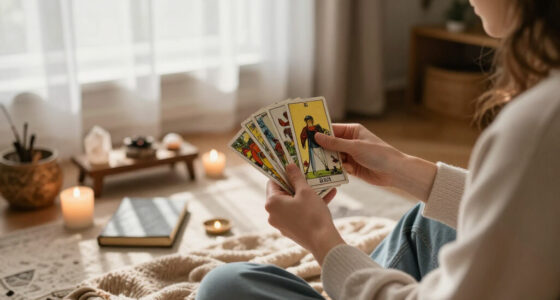
A crystal meditation set is a small collection of stones chosen for meditation, reflection, or relaxation, sometimes packaged with a pouch, guide, or prompts. Sellers decide what goes inside; there is no standard set or scientifically established stone combination. One listing might offer three polished pieces, while another pairs several stones with affirmation cards and a journal.
Common choices include amethyst, clear quartz, rose quartz, black tourmaline, and citrine. Their meanings vary between sellers and crystal traditions. A shop might describe amethyst as a stone for calm and citrine as one for optimism, but those are attributed meanings, not established medical effects.
Imagine opening a small cotton pouch at your kitchen table. You find a violet stone, a clear point, and a pink pebble, each with a label. The set gives you objects to hold or notice; it does not tell you what you must believe. If you simply like the cool weight of the pink stone, that preference is enough reason to include it in a practice.
Online bundles can make a set look more authoritative than it is. A printed card may explain the seller’s interpretation, but it cannot establish that the stones produce a special effect. Read the contents list for names, quantities, sizes, and accessories, and treat descriptions of intention as part of the product’s tradition or branding.
Products Worth Considering

Dyson Omni-Glide Cordless Stick Vacuum, Gold/Iron

Dyson Airwrap i.d. Multi-Styler for Straight and Wavy Hair

Samsung 43-Inch M70H Series 4K Mini LED Smart TV (2026)
As an affiliate, we earn on qualifying purchases.
Use the Stones as Simple Anchors for Attention
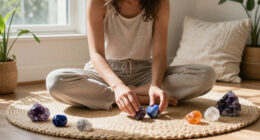
You can use a crystal during meditation by holding it, placing it within view, or arranging it nearby as a reminder to pause. A crystal becomes a focus point when you bring your attention back to its shape, color, or texture; the same practice can work with a shell, a bead, or no object at all. The stone is optional, and your attention does the work.
Here’s a practical example: before a five-minute breathing break, set a smooth piece of amethyst on your desk. Notice its cool surface and dark purple edges, then let it sit beside your notebook while you follow your breathing. When your mind jumps to an unread email, glance at the stone and return to the next breath.
Try this short sequence if you want a clear starting routine:
- Choose one stone that feels comfortable to hold or pleasant to look at.
- Sit somewhere you can relax, and place the stone in your palm or within easy view.
- Take a few steady breaths, noticing one physical detail such as a smooth edge or a speckled patch.
- When your attention wanders, acknowledge it and gently return to your breathing or the stone’s texture.
- After a few minutes, set the stone aside and note what you noticed, without judging the session.
A short routine can fit into an ordinary day: a few minutes in a quiet corner before work, or a pause after you shut your laptop. If holding a stone distracts or irritates you, place it farther away or leave it out. Comfort and consistency matter more than the size of the set.
Choose a Set by Feel, Size, and Clear Labels
The best set for a beginner is one you can identify, handle comfortably, and imagine using in the meditation you actually practice. Start with appearance and feel, then check the seller’s list for stone names, piece count, approximate size, and any treatments or imitation materials they disclose. There is no objectively best crystal for beginners.
Compare two imagined purchases. A three-stone set has clearly named pieces, a small pouch, and enough room in its description to explain how the stones were treated. A twelve-stone bundle has colorful photos but only vague labels and grand claims. The smaller set may be easier to learn and store, even if the larger one looks more impressive on a screen.
| What to check | Why it helps | Example question |
|---|---|---|
| Stone names and count | You know what the package contains. | Are there three stones or five? |
| Size and shape | You can judge whether pieces suit your hand or space. | Will a palm-sized piece fit in my pouch? |
| Treatment and material | Color and appearance can change through dyeing, treatment, or imitation. | Is this natural, dyed, synthetic, or an imitation? |
| Care guidance | Cleaning methods differ between minerals. | Does the seller name a safe cleaning method? |
Photos alone may not reveal whether a stone is natural, treated, synthetic, or imitation. Ask the seller about the material, treatment, and sourcing if those details matter to you. A seller who answers plainly gives you more useful information than one who promises that a stone will fix a specific problem.
You can also build a small collection of one or two stones you enjoy rather than buying a full bundle. If a bright citrine catches your eye and feels pleasant in your hand, it can be your focal object. Let your own preference guide the choice, while treating any attributed crystal meaning as a personal or traditional association.
Separate Personal Meaning from Proven Health Claims
Crystals can serve as meaningful objects or meditation prompts, but there is no reliable scientific evidence that they emit healing energy or treat medical conditions. A stone may help you remember to sit quietly because you chose it for that purpose; that does not establish a special healing effect from the mineral. Meditation itself may help some people relax or focus, but that finding does not prove that crystals add a therapeutic effect.
Say you keep a rose-colored stone on your desk because it reminds you to take a slow breath before answering a tense message. If that small ritual helps you pause, the practical value is in the cue and the moment of attention. You do not need to claim that the stone changes your health or controls what happens next.
Use a crystal as a prompt for reflection, not as a replacement for medical care. No stone should lead you to delay an appointment, stop prescribed treatment, or expect a guaranteed outcome.
Retail language sometimes connects stones with sleep, stress relief, focus, or intention setting. You can appreciate a product’s symbolism while staying clear about what is known. If a seller makes strong claims about curing illness or treating symptoms, ask for dependable evidence and speak with a qualified health professional about medical concerns.
This distinction keeps the practice respectful and grounded. You can hold a stone during meditation because it feels calming or connects to a personal belief. Another person can breathe just as attentively without crystals. The practice can be meaningful without turning a personal ritual into a medical promise.
Care for Each Stone Without Damaging It
Crystal care depends on the specific mineral, so do not assume every stone can safely be soaked, salted, or left in direct sunlight. Some stones can be scratched or damaged by water, salt, or light, and general cleansing advice may not fit the material you own. When you are unsure, gentle dry cleaning is a safer default.
For example, you might return from a quiet session and notice fingerprints on a polished stone. Instead of dropping every piece into a bowl of salt water, wipe the stone with a soft, dry cloth and check the seller’s instructions or a reliable mineral care reference. A little dust on a pouch is a different problem from a mineral that could be harmed by soaking.
Store stones where they will not tumble against harder pieces or fall off a crowded shelf. A fabric pouch or divided box can help protect polished surfaces, particularly if your set includes several shapes. If you plan to display stones in sunlight, first check whether that mineral’s color can fade with exposure.
Also keep small stones away from children and pets who might swallow them. Do not drink water in which crystals have been placed; some minerals or treatments can make that unsafe. A crystal belongs in your meditation space as a handled object, not in a drink or a substitute for professional guidance.
Build a Routine That Works Even Without a Full Set
You do not need a complete kit to meditate with crystals—or to meditate at all. One stone is enough if it gives you a comfortable point of focus, and no stones are needed if you prefer to notice your breathing or listen to the sounds around you. A good routine is one you can repeat without extra shopping or complicated rules.
Consider someone who has bought a five-piece set but reaches for the same smooth quartz each morning. The other stones can stay in the pouch until they feel useful; the daily pause still counts. Or perhaps a person begins with a pebble picked up on a walk and places it beside a cup of tea. The stone does not need a polished surface or a special label to remind them to slow down.
You might pair a short session with an existing habit, such as sitting for three minutes after breakfast or pausing when you close your workday. Keep the stone where you will see it, and make the practice brief enough that you do not dread starting. If a guide or prompt card helps you remember, use it; if it makes the routine feel like homework, set it aside.
Some sets now bundle journals, jewelry, affirmation cards, or digital instructions. Those extras may suit you, but they are not a measure of the practice’s quality. Ask yourself whether each item has a real use in your day. A simple stone and a few quiet minutes can be a complete ritual.
Frequently Asked Questions
What is included in a crystal meditation set?
It depends on the seller. A set may include a few polished stones, a pouch, a guide, or meditation prompts, so check the listing for stone names, quantities, sizes, and accessories.
Which crystals are best for beginners?
There is no objectively best beginner stone. Start with one or a few pieces you enjoy looking at or holding, and use them as visual or tactile focus points if that suits your practice.
How do I use crystals during meditation?
Hold a comfortable stone, place it within view, or arrange it nearby while you pay attention to your breathing. If it distracts you, put it aside; meditation does not require crystals.
Do crystals have proven healing powers?
No reliable scientific evidence shows that crystals heal illness or provide special therapeutic energy. You may use one as a meaningful meditation prompt, but do not use it to replace medical care or prescribed treatment.
How can I tell whether a crystal is genuine?
Ask the seller to identify the material and disclose any dye, treatment, synthetic material, or imitation. Photos alone may not show how a stone was made or treated, so look for clear product details.
Can I cleanse crystals with water, salt, or sunlight?
Not every stone tolerates those methods; water, salt, or light can damage some minerals or affect their color. Check care advice for the specific stone, and use a soft, dry cloth when you are unsure.
Do I need a full crystal meditation set?
No. One personally meaningful stone—or no stones at all—can be enough for a meditation routine. Choose what helps you settle into the practice, not the largest bundle on the shelf.
Conclusion
Choose a stone because you like its color, weight, or personal meaning, then use it as a gentle reminder to pause. Check the material and care details, keep health claims in perspective, and let the practice stay simple enough to fit your real day.
When your attention drifts, let the cool curve of a stone bring you back to one quiet breath.