


To build a safe cold plunge routine without going extreme, start slowly by immersing for just 30 seconds and gradually increase the time as your body adapts. Pay close attention to how you feel and stop if you experience dizziness, chest pain, or discomfort. Practice controlled breathing and warm up before plunging. With consistent, moderate exposure and listening to your body, you’ll develop resilience safely. Keep going to discover more ways to stay safe and maximize benefits.

Turn your quiet moments into listening time
- Thousands of audiobooks, podcasts and originals
- Listen on your phone, tablet or Echo — also offline
- Cancel anytime
Key Takeaways
- Start with brief cold exposures (around 30 seconds) and gradually increase duration to build tolerance safely.
- Use controlled breathing and stay calm to manage cold shock responses during immersion.
- Pay attention to your body signals and stop immediately if you experience dizziness, chest pain, or discomfort.
- Prepare with warm-up routines and recover gradually with warm showers or towel wraps post-session.
- Consult healthcare professionals beforehand and personalize your routine based on your health and comfort levels.
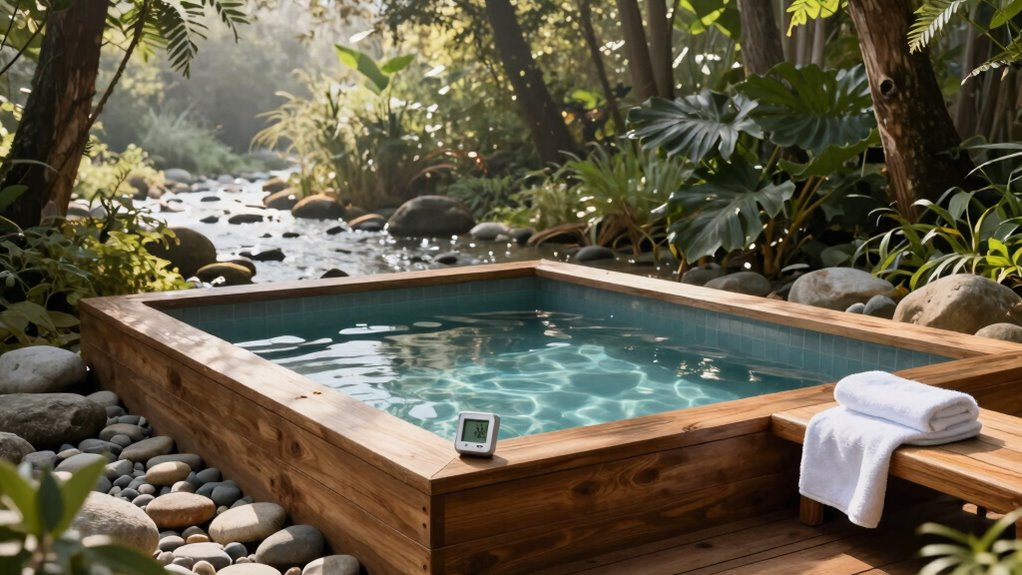
Starting a cold plunge routine can be beneficial for your health, but it’s essential to do so safely. Jumping into icy water triggers a cold shock response, which can cause rapid breathing, increased heart rate, and a feeling of disorientation. To avoid risking your safety, it’s important to ease into the practice gradually. Begin with shorter durations, like 30 seconds, and slowly increase your time as your body adapts. This approach helps you build mental resilience without overwhelming your system.
Start with brief cold plunges, gradually increasing time to build resilience safely.
Cold shock can be intense, especially if you dive straight into freezing water without preparation. You might feel panic or discomfort, but by controlling your breathing and staying calm, you set the foundation for a sustainable routine. Developing mental resilience isn’t just about enduring the cold; it’s about training your mind to stay focused and composed during the discomfort. Focus on deep, steady breaths to help regulate your nervous system and prevent hyperventilation. Over time, these controlled responses can improve your ability to handle stress in other areas of life, making your cold plunge experience both safe and empowering.
You don’t need to go to extremes to enjoy the benefits of cold exposure. Instead, listen to your body and pay attention to how you feel during and after each session. If you experience dizziness, chest pain, or any signs of distress, it’s crucial to stop immediately and seek medical advice if needed. Incorporating warm-up routines beforehand to prepare your body, and considering ending your cold plunge with a gentle warm shower or towel wrap can help your body recover gradually. Recognizing how your body responds to cold exposure and understanding the importance of safe practices can make all the difference in establishing a sustainable routine. Additionally, being aware of body signals** can help you identify your limits early and prevent adverse reactions. Being mindful of your physical responses during cold exposure can help you adjust your routine more effectively. Remember, understanding your personal limits** is essential to prevent overexposure and ensure long-term safety.
Consistency is key. Regular, moderate exposure helps your body adapt over time, strengthening your immune system and improving your mental resilience. Remember, the goal isn’t to push yourself to the limit every time but to develop a safe, manageable routine that you can stick with. It’s also wise to consult with healthcare professionals before starting, especially if you have underlying health conditions. Developing a personalized plan that respects your unique health needs can enhance your safety and effectiveness.
Building a safe cold plunge routine is about respecting your limits and progressing gradually. With patience, focus, and proper preparation, you can harness the mental and physical benefits of cold exposure without risking your safety or well-being. Stay mindful of your body’s signals, breathe deeply, and enjoy the journey toward greater resilience and health.
As an affiliate, we earn on qualifying purchases.
Frequently Asked Questions
Can Cold Plunges Help With Mental Health Issues?
Cold plunges can boost your mental health by enhancing mental resilience and reducing anxiety. When you immerse yourself in cold water, your body releases endorphins, which lift your mood and help manage stress. Regular cold plunges can train your mind to stay calm during stressful situations, lowering anxiety over time. Just make certain you start gradually and listen to your body to keep the experience safe and beneficial.
How Often Should Beginners Do Cold Plunges?
Starting cold plunges is like dipping your toes into a chill pond—you shouldn’t jump straight in. As a beginner, do cold exposure 2-3 times a week to enjoy hydrotherapy benefits without overdoing it. Many believe cold plunges are dangerous, but these cold exposure myths are false when you listen to your body. Gradually increasing frequency helps your body adapt, making cold plunges both safe and effective.
Are There Any Medical Conditions That Prevent Cold Plunging?
Yes, certain medical contraindications can prevent you from cold plunging, especially if you have heart issues, high blood pressure, or circulation problems. Cold sensitivity also plays a role; if you experience extreme discomfort or adverse reactions to cold temperatures, it’s best to avoid plunges or consult a healthcare professional first. Always listen to your body, and seek medical advice if you’re unsure about your conditions before starting cold exposure routines.
What Are the Signs of Overdoing Cold Exposure?
You might notice signs of overdoing cold exposure like excessive cold shock symptoms—shivering, dizziness, or numbness—that linger or worsen. Your skin response can also become abnormal, such as prolonged numbness or discoloration. If you experience persistent discomfort, chest pain, or difficulty breathing, stop immediately. These signs indicate you’ve pushed too far, so it’s essential to listen to your body and gradually build your tolerance to cold plunges.
Do Cold Plunges Improve Athletic Performance Long-Term?
Cold plunges can improve your long-term athletic performance by enhancing your immune response and reducing inflammation. Regular cold exposure triggers a cold shock response that helps your body adapt, boosting recovery and resilience. Over time, this can lead to better stamina and reduced soreness. Just remember to ease into it safely, so you avoid overdoing it, which could hinder your progress rather than support it.
As an affiliate, we earn on qualifying purchases.
Conclusion
Remember, slow and steady wins the race. Building a safe cold plunge routine isn’t about pushing yourself to the limit but about listening to your body and gradually adapting. Start with short dips, stay warm afterward, and don’t ignore any discomfort. Consistency is key, and patience pays off. As the saying goes, “Rome wasn’t built in a day.” Keep your safety front and center, and you’ll enjoy the benefits without risking your well-being.
cold shock response training equipment
As an affiliate, we earn on qualifying purchases.
As an affiliate, we earn on qualifying purchases.
warm-up towels for cold exposure
As an affiliate, we earn on qualifying purchases.
As an affiliate, we earn on qualifying purchases.
Halloween Picks
halloween
As an affiliate, we earn on qualifying purchases.