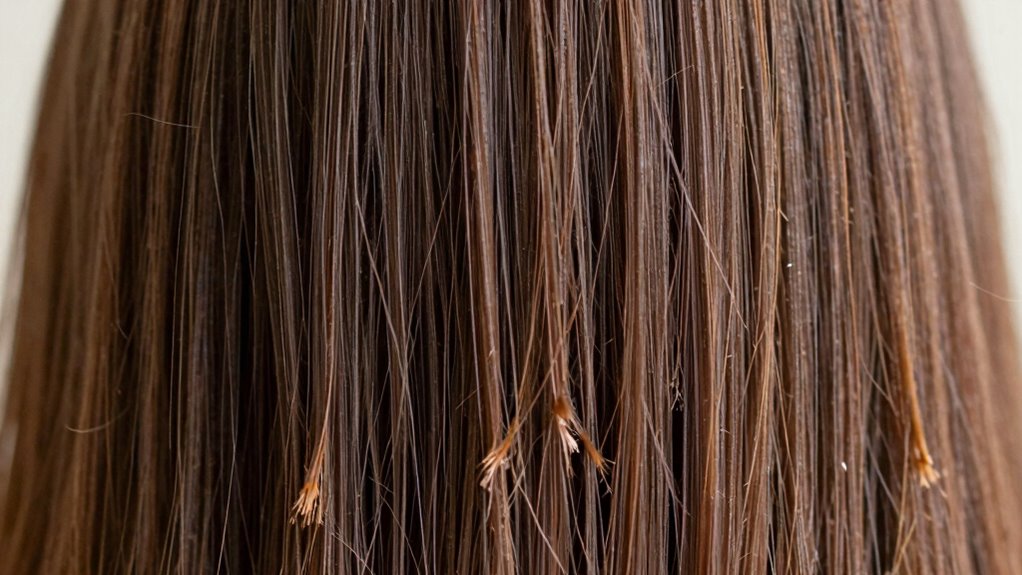

To honestly assess how your hair handles heat, pay close attention to how it feels and looks after styling. Notice signs like dullness, roughness, increased breakage, or loss of shine, which indicate damage or moisture loss. If your hair feels dry, brittle, or unmanageable, it’s a sign to lower heat or add protective treatments. Keep monitoring your hair’s response over time to prevent damage—and if you keep exploring, you’ll find even more helpful tips.

Get books, candles and calm essentials delivered free — and shop member deals
- Fast, free delivery on millions of items
- Access to Prime Big Deal Days deals on October 6–7
- Prime Video, Amazon Music and more included
Key Takeaways
- Observe changes in texture, noting dullness, roughness, or brittleness after heat styling sessions.
- Monitor hair’s elasticity and flexibility to identify signs of moisture loss or damage.
- Check for increased breakage, split ends, or difficulty managing hair post-heat use.
- Adjust heat settings based on visible damage signs and overall hair health.
- Incorporate regular deep conditioning and hydration to assess improvements or ongoing issues.
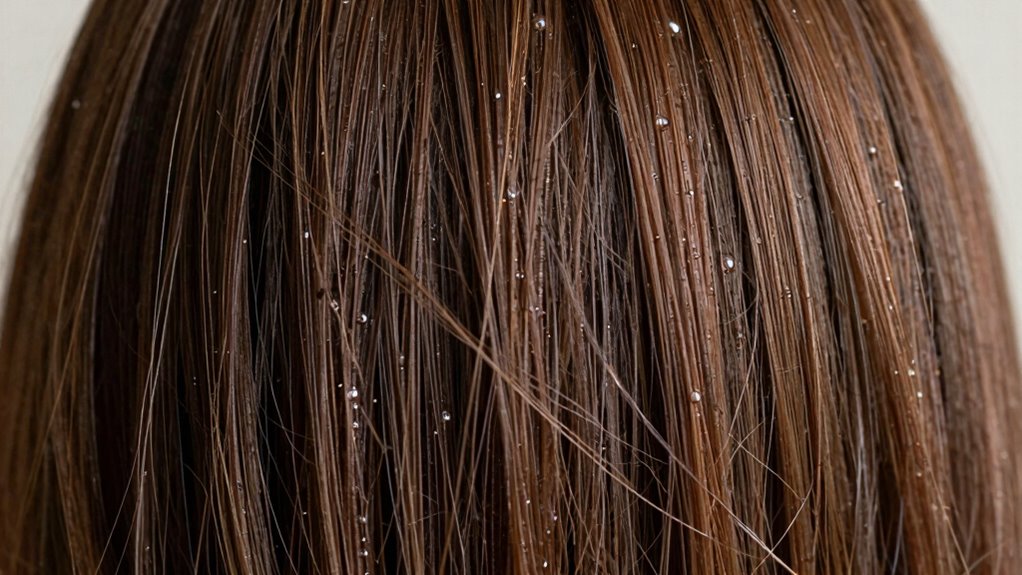
Understanding how your hair responds to heat is essential for maintaining its health and preventing damage. When you use styling tools like straighteners, curling irons, or blow dryers, you’re introducing heat that can affect your hair’s structure. If you’re not paying close attention, you might overlook signs of heat damage or moisture loss that could weaken your hair over time. Recognizing these signs early helps you adjust your routine and protect your locks.
Heat damage often manifests as dullness, roughness, or increased breakage. You might notice your hair feels less soft or shiny, and it becomes more prone to splitting. If your hair appears frizzy or feels brittle after styling, it’s a clear indicator that the heat is taking a toll. Pay attention to how your hair reacts after each styling session—if it feels drier or more fragile, it’s a sign that you’re losing moisture and damaging your strands. Moisture loss makes hair more susceptible to breakage and reduces its elasticity, leading to a dull, lifeless appearance. When your hair is dehydrated, it can’t bounce back easily, and styling becomes more challenging.
To read your hair’s response honestly, observe how it behaves after different heat exposures. For example, if you notice that your hair is consistently dry and brittle after using high heat, it’s a sign that your current heat setting might be too intense. Conversely, if your hair still feels soft and manageable, you’re likely using an appropriate temperature. Keep in mind that even minimal heat can cause cumulative damage if used excessively or without protection. If your hair starts to feel rough or looks dull despite using heat protectants, it might be time to reassess your styling routine and consider alternative methods. Additionally, understanding how heat affects the hair’s structural integrity helps you make better choices for your styling routine. Being aware of your hair’s response to heat allows you to tailor your styling practices more effectively and avoid unnecessary damage. Regularly inspecting your hair’s texture and appearance over time can reveal subtle signs of damage that might otherwise go unnoticed. If your hair becomes more fragile or develops split ends, it’s a sign that your strands are losing moisture and suffering from heat damage. Incorporating proper hydration and conditioning are vital to counteract these effects. Using deep conditioning treatments regularly can help restore moisture and strengthen your hair, preventing further damage. Remember, honest observation is key—your hair will tell you how well it’s handling heat. If you listen carefully, you’ll learn when to dial down the heat or incorporate more protective measures.
As an affiliate, we earn on qualifying purchases.
Frequently Asked Questions
How Often Should I Test My Hair’s Heat Tolerance?
You should test your hair’s heat tolerance every few weeks when doing heat styling. This helps you gauge your hair’s resilience and avoid damage. Start with the lowest heat setting and gradually increase it to see how your hair responds. Regular testing guarantees you don’t overexpose your hair to heat, maintaining its health and preventing breakage. Listening to your hair’s signals is key to safe and effective heat styling.
Can Hair Damage Occur Without Visible Signs?
Yes, hair damage can occur without visible signs. Heat myths often lead you to believe damage is only noticeable once obvious, but subtle damage happens first. To prevent this, focus on damage prevention by using heat protectants and testing your hair’s heat tolerance regularly. Even if hair looks fine, avoid consistently high temperatures, and always listen to your hair’s response to avoid long-term damage.
What Are Hidden Signs of Heat Damage?
Hidden signs of heat damage include reduced hair elasticity, making your hair feel more brittle and prone to breakage. You might notice your hair isn’t bouncing back after stretching or combing, which indicates weakened strands. Over time, heat styling can cause subtle damage that isn’t visible, but impacts your hair’s overall health. Pay attention to these signs, as they reveal damage before it becomes obvious, helping you adjust your styling habits.
Does Hair Type Affect Heat Response?
Ironically, your hair type does influence how it reacts to heat. If you have high porosity hair, it might absorb heat quickly, risking damage, while low porosity hair can resist heat longer but may dry out faster. Curl pattern also plays a role—loose curls may be more vulnerable, whereas tighter curls can withstand heat better. So, knowing your hair’s porosity and curl pattern helps you tailor heat styling and avoid unnecessary damage.
How Long Does It Take to See Changes After Reducing Heat?
You’ll typically see signs of heat recovery within a few weeks of reducing heat styling, but damage duration varies depending on your hair’s condition. If you’ve experienced significant damage, it might take several months for your hair to fully recover and show improvements. During this time, avoid heat tools to minimize damage duration and promote healthier hair. Patience and consistent care are key to allowing your hair to bounce back.
As an affiliate, we earn on qualifying purchases.
Conclusion
So, next time you crank up that blow dryer or straighten those locks, pay close attention—your hair’s screaming selfies will tell you everything! Ignore the signs, and your strands might stage a full-blown rebellion, turning into brittle, fried spaghetti. But if you listen carefully and respect its limits, your hair can stay luscious and healthy, almost like a VIP at a spa. Trust me, your tresses will thank you with a lifetime of glossy, happy hair!
As an affiliate, we earn on qualifying purchases.
As an affiliate, we earn on qualifying purchases.
Halloween Picks
halloween
As an affiliate, we earn on qualifying purchases.