
A true HEPA filter captures nearly all tiny airborne particles, including allergens, bacteria, and viruses, thanks to its dense fibers that trap particles as air passes through. It meets strict standards of removing 99.97% of particles at 0.3 microns, making it highly effective for clean indoor air. If you want to know exactly which particles it traps and how to pick the right one, keep exploring these key details.
Listen free for 30 days with Audible
Thousands of audiobooks and originals — cancel anytime.
As an affiliate, we earn on qualifying purchases.
Key Takeaways
- True HEPA filters trap at least 99.97% of particles 0.3 microns in size, including dust, pollen, and pet dander.
- They effectively capture microscopic particles like bacteria, viruses, mold spores, and smoke.
- HEPA filters remove airborne allergens and pollutants, improving indoor air quality significantly.
- They do not typically remove odors or VOCs; additional filters may be needed for those.
- Proper maintenance and timely replacement ensure HEPA filters operate at peak efficiency.
As an affiliate, we earn on qualifying purchases.
How Do HEPA Filters Work?
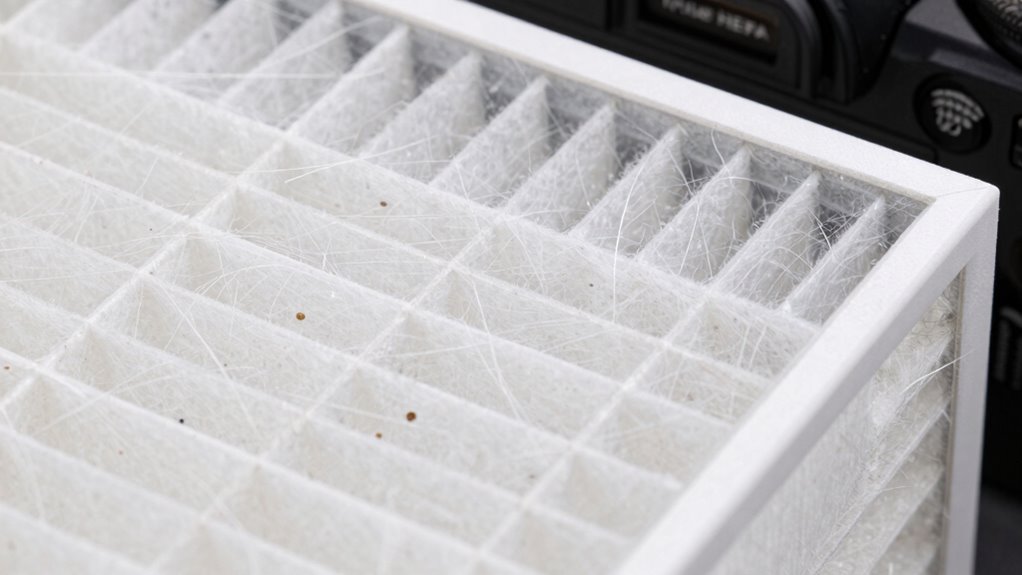
HEPA filters work by trapping tiny particles as air passes through them. The key to their effectiveness lies in airflow dynamics; air is forced through densely packed fibers that capture particles like dust, pollen, and bacteria. As air moves through the filter, larger particles get caught on the surface, while smaller ones are trapped within the fibers. Proper filter maintenance is essential to keep airflow consistent and prevent clogging, which can reduce efficiency. Regularly replacing or cleaning the filter guarantees it continues to perform at its best. When maintained correctly, HEPA filters provide a high level of filtration without considerably restricting airflow. Understanding how airflow interacts with the filter helps you maintain your system and maximize its ability to improve indoor air quality. Maintaining airflow is crucial to prevent performance issues and ensure optimal filtration. Additionally, understanding the filter material can help you select the best option for your needs. To further enhance filtration performance, selecting a filter with the appropriate fiber density is important. Properly designed filters also consider airflow resistance, which impacts overall system performance and energy consumption. A well-designed HEPA filter balances filtration efficiency with minimal pressure drop, ensuring effective operation without overburdening your system.
HEPA filter for allergies and asthma
As an affiliate, we earn on qualifying purchases.
As an affiliate, we earn on qualifying purchases.
What Is a True HEPA Filter and How Is It Different?

A true HEPA filter meets strict standards that guarantee it captures at least 99.97% of particles as small as 0.3 microns. This high level of filtration efficiency sets it apart from other air filters, which may not meet these strict air filter standards. True HEPA filters are tested and certified to ensure consistent performance. To help you understand the differences, here’s a quick comparison:
| Filter Type | Filtration Efficiency | Standards Met |
|---|---|---|
| True HEPA | 99.97% at 0.3 microns | Certified by official testing |
| HEPA-like | Varies, generally lower | Not officially certified |
| Regular Air Filter | Less than 99% | No specific standards |
This guarantees you get maximum air purification with a true HEPA filter. Certification processes ensure that the filters meet the rigorous standards required for true HEPA performance. Additionally, understanding filtration efficiency helps consumers make informed choices about air quality improvements.
HEPA filter replacement for air purifier
As an affiliate, we earn on qualifying purchases.
As an affiliate, we earn on qualifying purchases.
Which Particles Can a True HEPA Filter Trap?
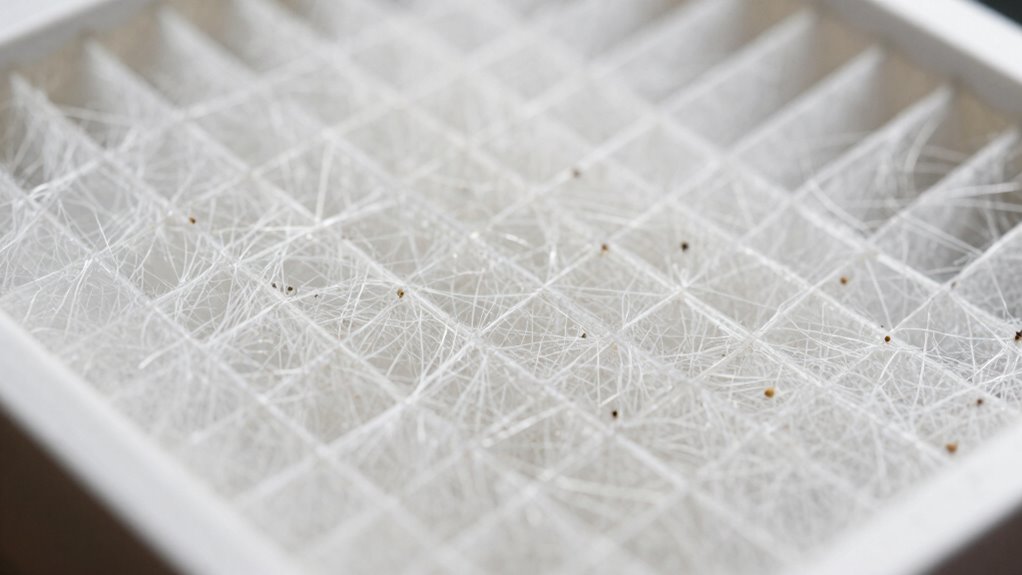
Ever wonder what tiny particles a true HEPA filter can capture? It traps a wide range of airborne allergens and microscopic pathogens that can affect your health. Specifically, a true HEPA filter can capture:
- Dust mites and pollen, common airborne allergens
- Pet dander and mold spores
- Bacteria and viruses, including microscopic pathogens
- Smoke particles and other fine pollutants
These filters are designed to trap particles as small as 0.3 microns with 99.97% efficiency. This means they can effectively remove many of the particles that trigger allergies, asthma, or spread illness. While they won’t eliminate all airborne contaminants, they markedly improve indoor air quality by capturing the tiny particles that often go unnoticed. Additionally, understanding air filtration principles can help optimize the use of HEPA filters for better health outcomes. Recognizing the limitations of HEPA filters can also help set realistic expectations for indoor air purification. For example, proper maintenance and filter replacement are crucial to maintaining their effective performance.
HEPA filter for bacteria and viruses
As an affiliate, we earn on qualifying purchases.
As an affiliate, we earn on qualifying purchases.
How Effective Are HEPA Filters at Improving Indoor Air Quality?
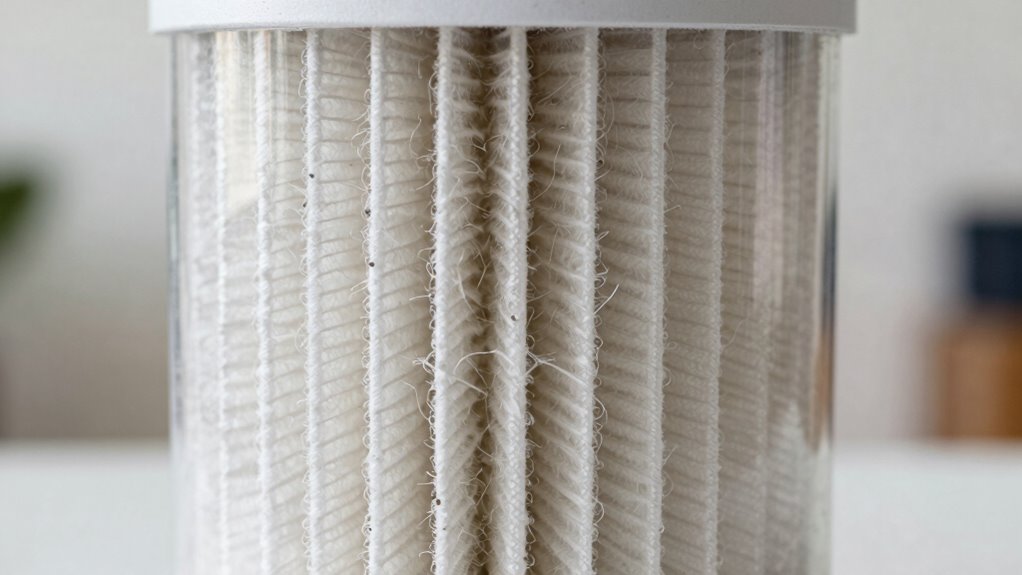
When used correctly, HEPA filters considerably enhance indoor air quality by effectively removing a wide range of airborne pollutants. They excel at trapping airborne allergens like pollen, dust mites, and pet dander, reducing allergy symptoms. Their pollutant removal capabilities also include tiny particles such as smoke, bacteria, and mold spores, making your environment healthier. To visualize, consider this table:
| Pollutant Type | Removal Effectiveness |
|---|---|
| Airborne Allergens | Extremely high, captures most dust & pollen |
| Tiny Particles | Very effective against smoke & bacteria |
| Larger Particles | Easily captured and filtered |
| Odors & VOCs | Limited, not their primary function |
Additionally, filtration efficiency depends on proper maintenance and filter replacement, which is crucial for sustained performance. HEPA filters significantly improve indoor air quality and help create a cleaner, healthier space. Understanding HEPA filtration efficiency is key to maximizing their benefits. Additionally, selecting True HEPA filters ensures that you are getting the highest level of filtration performance available.
How to Choose the Right HEPA Filter for Your Needs

Choosing the right HEPA filter depends on evaluating your specific indoor air quality needs and the space you want to improve. Consider these factors:
Selecting the right HEPA filter depends on your indoor air quality needs and space size.
- Room size: Larger spaces need higher-capacity filters to ensure effective air purification.
- Air purifier maintenance: Regularly check and clean filters to maintain efficiency.
- Filter replacement frequency: Some filters last longer; follow manufacturer recommendations to avoid performance drops.
- Specific concerns: If you’re sensitive to allergens or pollutants, select filters with higher MERV ratings and proper capture capabilities.
Additionally, understanding the filter’s capture efficiency can help you choose a HEPA filter that best addresses your indoor air quality issues. Proper filter installation is also vital to ensure optimal performance and prevent air bypass that could compromise air quality. Proper installation techniques can significantly impact the filter’s effectiveness, especially in preventing unfiltered air from bypassing the filter. Regularly inspecting and replacing filters based on manufacturer guidelines can further enhance the filter’s effectiveness over time. Moreover, choosing a filter with certified HEPA standards ensures it meets industry performance benchmarks.
Frequently Asked Questions
Can HEPA Filters Remove Viruses and Bacteria From the Air?
Yes, HEPA filters can remove viruses and bacteria from the air because they have high filter efficiency for airborne pathogens. They trap particles as tiny as 0.3 microns, including many viruses and bacteria, effectively reducing the risk of airborne transmission. Keep in mind, though, that the overall effectiveness depends on proper filter maintenance and the air purifier’s design. Using a true HEPA filter guarantees you receive maximum protection against these harmful pathogens.
How Often Should I Replace My HEPA Filter for Optimal Performance?
You should replace your HEPA filter every 6 to 12 months for peak performance. The filter lifespan depends on usage, air quality, and the manufacturer’s guidelines. Regular replacements ensure your filter continues capturing viruses, bacteria, and allergens effectively. Keep an eye on the filter for visible dirt or reduced airflow, which indicate it’s time for a change. Staying consistent with replacement frequency maintains clean, healthy indoor air.
Are There Any Health Risks Associated With HEPA Filter Use?
Think of your HEPA filter as a vigilant gatekeeper, but even guardians have limits. While HEPA filters effectively trap indoor allergens and reduce chemical exposure, poorly maintained filters can become breeding grounds for mold or bacteria, posing health risks. If you don’t replace or clean them regularly, you might breathe in trapped pollutants or allergens. To stay safe, follow manufacturer guidelines and keep your filter in top shape.
Do HEPA Filters Work Effectively in Large Open Spaces?
Yes, HEPA filters can work effectively in large open spaces if you consider airflow limitations and proper filter placement. You need to position the unit where air circulates most, avoiding obstructions that hinder airflow. Using multiple units or high-capacity models can improve coverage. Keep in mind, maintaining good air circulation and ensuring the filters are suitable for the space will maximize their efficiency and keep the air cleaner.
Can HEPA Filters Eliminate Odors and Chemical Fumes?
Think of HEPA filters as the gatekeepers of your air, but they mainly trap particles, not odors or fumes. They don’t effectively eliminate chemical fumes or odors through air freshening alone. For that, you need filters with activated carbon or specialized chemical filtration. While HEPA filters improve air quality by capturing allergens and dust, combining them with carbon filters gives you a more complete solution for odors and chemical fumes.
Conclusion
By choosing the right HEPA filter, you’re opening the door to a cleaner, fresher space. Think of it as gently clearing away the tiniest dust motes and allergens, leaving your air feeling lighter and more inviting. With the right filter in place, you can breathe easier, knowing you’ve created a healthier environment for yourself and those around you. Embrace the change, and let your indoor air become a quiet sanctuary of purity.
NFL season / tailgating Picks
team gear
As an affiliate, we earn on qualifying purchases.