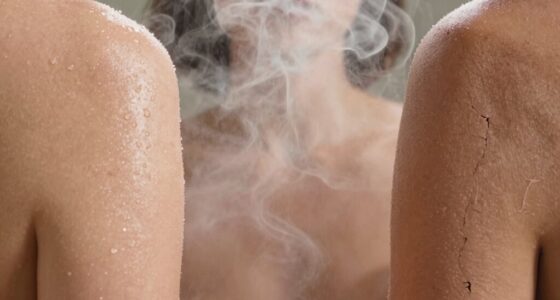
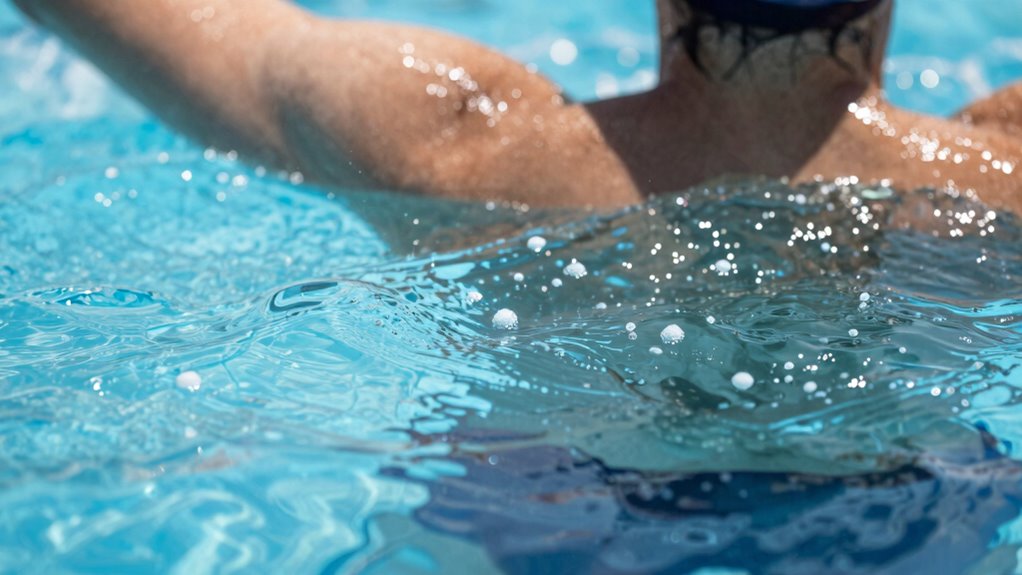

When you swim in chlorinated water, chlorine strips away your skin’s natural oils and damages your hair’s outer layer, making both feel rough, dry, and brittle. It breaks down protective barriers, leading to irritation, dullness, and increased fragility over time. These effects can be reduced or prevented with proper care and filtration. If you’re curious about how to keep your skin and hair healthy despite chlorine exposure, you’ll find helpful tips below.
Key Takeaways
- Chlorine strips natural oils from skin and hair, causing dryness and roughness.
- It breaks down skin lipids and impairs the skin’s barrier, leading to irritation and sensitivity.
- Chlorine damages hair cuticles, resulting in dullness, brittleness, and increased fragility.
- Mineral deposits from chlorine react with hair proteins, contributing to roughness and color fading.
- Proper water filtration and post-swimming skincare help minimize chlorine-related skin and hair roughness.
water filter for chlorine removal
As an affiliate, we earn on qualifying purchases.
As an affiliate, we earn on qualifying purchases.
Why Does Chlorine Dry Out and Roughen Skin and Hair?

When you swim in chlorinated water, the chemical actively strips away the natural oils on your skin and hair. This is a primary example of chlorine effects, which can leave your skin feeling dry and rough. Chlorine breaks down the lipids that help keep your skin hydrated, reducing its ability to retain moisture. As a result, your skin becomes dehydrated and more prone to irritation and flakiness. Additionally, the loss of natural oils can impair the skin’s barrier function, making it more sensitive to environmental stressors. Skin barrier integrity is essential for maintaining hydration and protecting against irritants. Similarly, the hair loses its natural oils, leading to dullness, roughness, and increased fragility. The long-term exposure to chlorine diminishes skin hydration levels, making your skin feel tight and rough. This process explains why frequent swimmers often notice their skin and hair becoming less soft and more brittle over time. Incorporating water management techniques can help mitigate some of these effects.
As an affiliate, we earn on qualifying purchases.
How Can You Tell If Chlorine Is Damaging Your Skin and Hair?
You might notice your skin feels dry, flaky, or irritated after swimming in chlorinated water. Your hair could become discolored, brittle, or more prone to breakage. These signs indicate that chlorine may be damaging your skin and hair, so it’s important to pay attention. Using a modern toilet with advanced features like dual-flush systems can help conserve water and reduce exposure to chemicals in the water supply. Additionally, understanding water filtration systems can help you minimize chlorine contact and protect your skin and hair health. Being aware of water quality issues and installing appropriate filters can significantly decrease your exposure to harmful chemicals like chlorine, further safeguarding your skin and hair. Proper filtration technology can make a significant difference in reducing chlorine levels and maintaining healthier skin and hair. Regularly testing your water quality can also help identify contaminant levels, enabling you to take more targeted steps to protect yourself.
Dryness and Flakiness
Have you noticed your skin feeling tight or your hair becoming more brittle after swimming in chlorinated water? These are signs of dryness and flakiness caused by chlorine stripping away your skin’s natural oils and weakening your hair’s structure. You might see more peeling or flaky patches on your skin, especially around your face and neck. To combat this, stick to moisturizing routines that replenish lost moisture and restore your skin’s suppleness. For your hair, incorporate hair strengthening treatments to rebuild resilience and prevent further damage. Additionally, using appropriate filtration systems can reduce chlorine exposure during swimming. Proper air purifier maintenance can also help improve overall indoor air quality, reducing additional irritation from airborne pollutants. Being aware of water treatment methods can help you better understand how to minimize chlorine’s impact on your skin and hair. Implementing water testing can help you monitor chlorine levels and adjust your protective measures accordingly. If you ignore these signs, dryness can worsen, leading to rough, irritated skin and brittle hair that breaks easily. Recognizing these symptoms early helps you take action to protect your skin and hair from ongoing chlorine damage.
Research shows that choosing accommodations with sustainable water management practices can significantly reduce your exposure to harmful chlorine levels.
Itchy or Irritated Skin
Ever notice your skin feeling itchy or irritated after swimming in chlorinated water? This could be a sign of increased skin sensitivity or an allergic reaction to chlorine. If your skin becomes red, inflamed, or develops a rash, it indicates that chlorine is irritating your skin barrier. You might also experience a burning or stinging sensation, especially in sensitive areas. Regular exposure can weaken your skin’s defenses, making it more prone to allergic reactions. If you notice persistent itchiness or irritation, it’s a sign that your skin isn’t handling the chlorine well. Wearing protective gear, rinsing off after swimming, and using soothing moisturizers can help reduce these symptoms. Pay attention to your skin’s response to avoid more serious damage over time. Understanding the role of affiliates and their influence on content can also help you make more informed decisions about skin and hair care products. Additionally, using vacuum cleaners with HEPA filters can help reduce airborne allergens that may exacerbate skin sensitivities caused by chlorinated environments. Taking steps to protect your skin and choosing suitable skincare routines can further minimize irritation and support your skin’s health.
Discolored or Brittle Hair
Discolored or brittle hair often signals chlorine damage, especially after frequent swimming in chlorinated pools. You might notice a color change, such as a dull or greenish tint, indicating chemical reactions with chlorine. Additionally, chlorine increases your hair’s porosity, making it more absorbent and prone to moisture loss. This increased porosity weakens the hair structure, resulting in brittleness and breakage. If your hair feels rough or looks faded despite regular washing, chlorine may be the culprit. Over time, repeated exposure damages the cuticle layer, amplifying color changes and brittleness. Recognizing these signs helps you take steps to minimize chlorine’s harmful effects. Regularly checking your garden health can also help you understand how environmental factors impact your hair and skin. Understanding water quality is essential in assessing and mitigating the effects of chlorine exposure on your hair and skin. Moreover, personal care routines that incorporate protective measures can significantly reduce damage caused by chlorinated water. Being aware of chemical reactions involving chlorine can also guide you in choosing appropriate hair treatments and after-swim rinses. Educating yourself about water treatment options can further help in reducing chlorine levels in your home water supply.
As an affiliate, we earn on qualifying purchases.
What Causes Hair to Become Dull and Brittle After Chlorine Exposure?
When your hair is exposed to chlorine, it undergoes chemical changes that weaken its structure. Chlorine causes a pH imbalance, disrupting the natural acidity of your hair and making it more vulnerable to damage. This imbalance strips away natural oils, leaving your hair dry and dull. Additionally, mineral buildup from chlorine reacts with hair proteins, creating deposits that coat each strand. These deposits interfere with moisture absorption, making your hair feel rough and brittle. Over time, the combined effects of pH imbalance and mineral buildup damage the hair’s cuticle, the outer protective layer. As a result, your hair loses its shine, becomes dull, and feels more fragile. Protecting your hair from chlorine’s effects is essential to maintain its health and vibrancy. Understanding the role of hair porosity can also help in choosing the right after-swim hair care routine to better protect and restore your hair’s condition. Incorporating holistic SEO practices into your hair care routine, such as using deep-conditioning treatments, can further aid in repairing damage and maintaining healthy hair. Recognizing the importance of reliable water treatment can also help prevent future chlorine-related damage.
moisturizing skin lotion for swimmers
As an affiliate, we earn on qualifying purchases.
As an affiliate, we earn on qualifying purchases.
How Does Chlorine Affect Your Skin and Hair Over Time?
Prolonged exposure to chlorine gradually damages your skin and hair by stripping away natural oils and disrupting their protective barriers. Over time, this leads to increased dryness, irritation, and a rough texture. Consistently exposed skin may develop redness or itching, while hair becomes more fragile and prone to breakage. To maintain chlorine safety, consider installing water filtration systems that reduce chlorine levels. These systems help protect your skin and hair from cumulative damage caused by long-term chlorine contact. Here’s a comparison of different filtration methods:
| Method | Effectiveness | Cost |
|---|---|---|
| Activated Carbon | High for chlorine removal | Moderate |
| Reverse Osmosis | Very effective | Higher cost |
| UV Purification | Moderate, for bacteria | Variable |
Simple Ways to Protect Your Skin and Hair From Chlorine Damage

To protect your skin and hair from chlorine damage, adopting simple daily habits can make a significant difference. Prioritize chlorine safety by rinsing off with fresh water immediately after swimming. This helps wash away residual chlorine before it can cause harm. Using water purification filters on your showerhead can reduce chlorine levels in your daily water supply. Consider installing a shower filter to minimize exposure during regular showers, which is especially helpful if your tap water contains high chlorine concentrations. Wearing a swim cap and applying leave-in conditioners or barrier creams before swimming also provide extra protection. These steps not only shield your skin and hair from chlorine’s harsh effects but also promote healthier, more resilient skin and hair over time.
Top Remedies and Products to Rehydrate and Repair Chlorine Damage
After taking steps to protect your skin and hair from chlorine during exposure, focusing on effective remedies to rehydrate and repair damage becomes essential. Natural remedies like deep-conditioning hair masks with coconut oil or avocado can help restore moisture and softness. For your skin, applying aloe vera gel or moisturizing body oils soothes irritation and replenishes lost hydration. Professional treatments such as keratin hair treatments or hydrating facials can also accelerate recovery by repairing damage at a deeper level. To maximize results, consider these key remedies:
- Use nourishing hair masks regularly.
- Incorporate hydrating, soothing skincare products.
- Seek professional treatments for intensive repair.
These approaches help restore your skin and hair’s health after chlorine exposure effectively.
Tips for Enjoying Swimming and Tap Water Without Roughness or Damage

After swimming, make sure to rinse off right away to remove chlorine residue. Using hydrating skin products can also help prevent dryness and irritation. These simple steps keep your skin smooth and comfortable during water activities.
Rinse Immediately After Swimming
Immediately rinsing off after swimming is essential to protect your skin and hair from the harsh effects of chlorine. A quick shower at the pool shower station helps wash away chlorine residue before it causes damage. Focus on a thorough hair rinse to prevent dryness and brittleness. Here are some tips to maximize protection:
- Use the pool shower to thoroughly rinse your entire body, especially your hair and scalp.
- Pay extra attention to your hair, ensuring you rinse out all chlorine to reduce roughness.
- Consider using a gentle, chlorine-removing shampoo or conditioner if available, to further minimize damage.
Use Hydrating Skin Products
Once you’ve rinsed off after swimming, applying hydrating skin products can lock in moisture and help repair any chlorine-related dryness. Use a moisturizing lotion to restore lost hydration and create a protective barrier on your skin. Hydrating serums are also effective, as they penetrate deeply to replenish moisture quickly. These products help soothe roughness and reduce tightness caused by chlorine exposure. For best results, choose formulas with ingredients like hyaluronic acid or glycerin, which attract and lock in water. Regular use of moisturizing lotions and hydrating serums can keep your skin soft, smooth, and resilient, making swimming more enjoyable without the discomfort of dryness or roughness. Prioritize hydration to maintain healthy, supple skin after every swim.
Quick Tips to Keep Skin and Hair Healthy After Chlorine Exposure
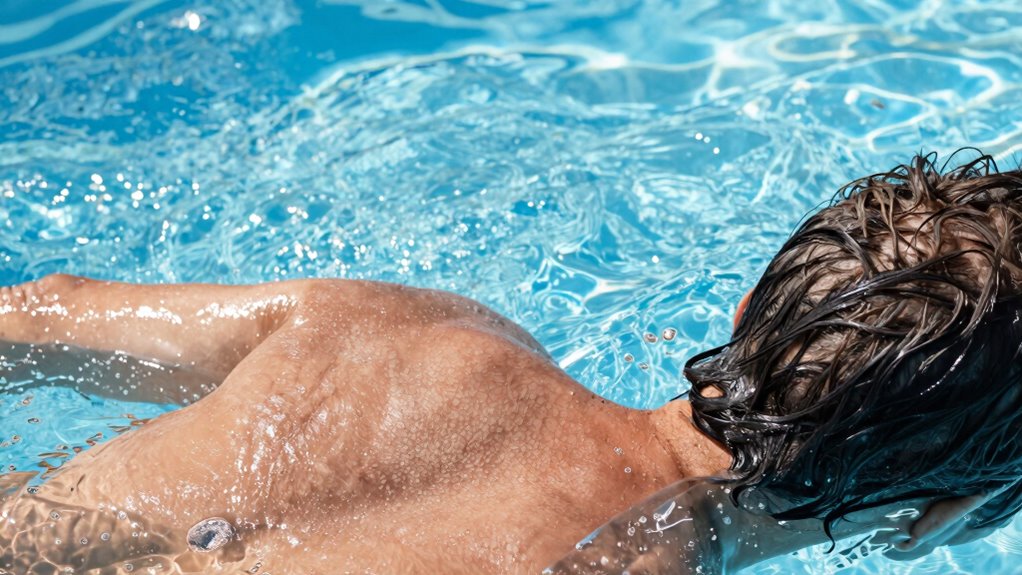
Chlorine can strip moisture from your skin and hair, leaving them dry and fragile. To protect yourself, focus on chlorine safety and water filtration. First, rinse your skin and hair thoroughly with clean water immediately after swimming to remove chlorine residues. Second, use deep-conditioning treatments or hydrating skin products to restore moisture. Third, consider installing a water filtration system at home to reduce chlorine levels in your tap water, minimizing exposure. Wearing a swim cap can also shield your hair from prolonged contact with chlorinated water. Staying hydrated and limiting time in chlorinated pools further helps maintain your skin and hair’s health. These quick tips help you manage chlorine’s effects and keep your skin and hair feeling healthy and strong.
Frequently Asked Questions
Can Chlorine Exposure Lead to Long-Term Skin or Hair Health Issues?
Chlorine exposure can lead to long-term skin or hair issues if you’re sensitive or have chlorine allergies. Repeated contact may cause dryness, irritation, or allergic reactions. Using water filtration systems helps reduce chlorine levels, minimizing these risks. Protect your skin and hair by opting for filters or showerheads designed to remove chlorine, especially if you notice persistent dryness or irritation. Taking these steps helps prevent long-term damage.
Are Some Skin or Hair Types More Vulnerable to Chlorine Damage?
Yes, your skin sensitivity and hair porosity affect how vulnerable you are to chlorine damage. If you have sensitive skin, chlorine can cause irritation or dryness more quickly. Similarly, high hair porosity makes your hair more prone to absorbing chlorine, leading to roughness and damage. You should consider protective measures like rinsing thoroughly after swimming and using moisturizing products to minimize these effects.
Does the Temperature of Water Affect Chlorine’s Drying Effects?
As water temperature rises, you’ll notice chlorine’s drying effects intensify because warmer water accelerates chlorine oxidation. When you shower with hot water, it opens your pores and allows chlorine to penetrate more deeply, making your skin and hair feel rougher. Conversely, colder water slows down chlorine oxidation, reducing its drying impact. So, adjusting water temperature can help you minimize chlorine damage and keep your skin and hair feeling smoother.
Are There Natural Remedies to Counteract Chlorine’s Impact?
Yes, you can use natural remedies like herbal rinses and natural oils to counteract chlorine’s effects. Rinsing your hair with a mixture of apple cider vinegar and water helps remove chlorine residues, while applying natural oils like coconut or argan oil nourishes your skin and hair, restoring moisture. These remedies are gentle and effective, helping you restore softness and shine after exposure to chlorinated water.
How Does Chlorine Interact With Other Chemicals in Water to Affect Skin and Hair?
Chlorine reacts with other chemicals in water through chemical reactions that can alter your skin and hair’s condition, often leading to dryness and roughness. If the pH balance is off, these reactions intensify, making your skin and hair more vulnerable. You can reduce these effects by maintaining proper pH levels and using protective treatments, like conditioners or barrier creams, to shield against harsh chemical interactions.
Conclusion
If you notice your skin feels rough or your hair becomes brittle after swimming, you’re not alone. For example, Sarah started seeing dull, dry hair after frequent pool visits, but after using a deep conditioner and moisturizing regularly, her hair became softer and healthier. By taking simple steps to protect and hydrate your skin and hair, you can enjoy swimming without damage. Don’t let chlorine steal your confidence—care for yourself and keep your skin and hair looking their best.