
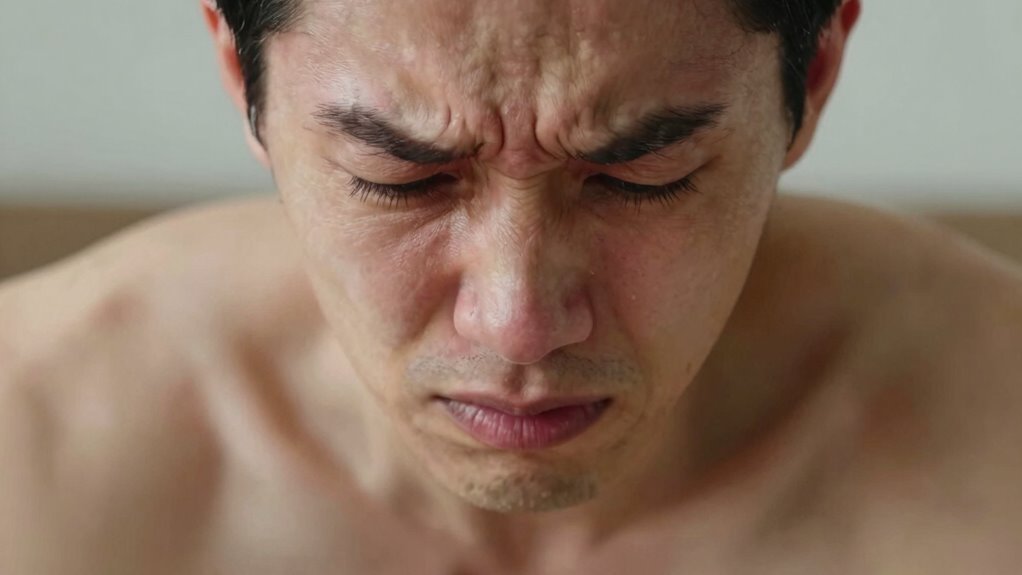

Tension shows up first in your jaw, brows, and shoulders because these muscles are your body’s immediate response points to stress and emotional strain. They tighten automatically to protect and prepare you, often without you realizing it. This reaction is a natural part of how your body copes with pressure. Recognizing why these areas react this way can help you manage stress better—continue exploring, and you’ll learn simple ways to ease this tension and find relief.

Turn your quiet moments into listening time
- Thousands of audiobooks, podcasts and originals
- Listen on your phone, tablet or Echo — also offline
- Cancel anytime
Key Takeaways
- These areas are the body’s primary muscles for protecting and reacting to emotional or mental stress.
- Jaw, brows, and shoulders are highly responsive, automatically tightening as part of the stress response.
- They serve as initial physical indicators of stress due to their role in emotional expression and protection.
- Habitual tension in these muscles can become ingrained, making them the first to react to ongoing stress.
- Recognizing tension in these areas helps in addressing overall stress and preventing chronic discomfort.
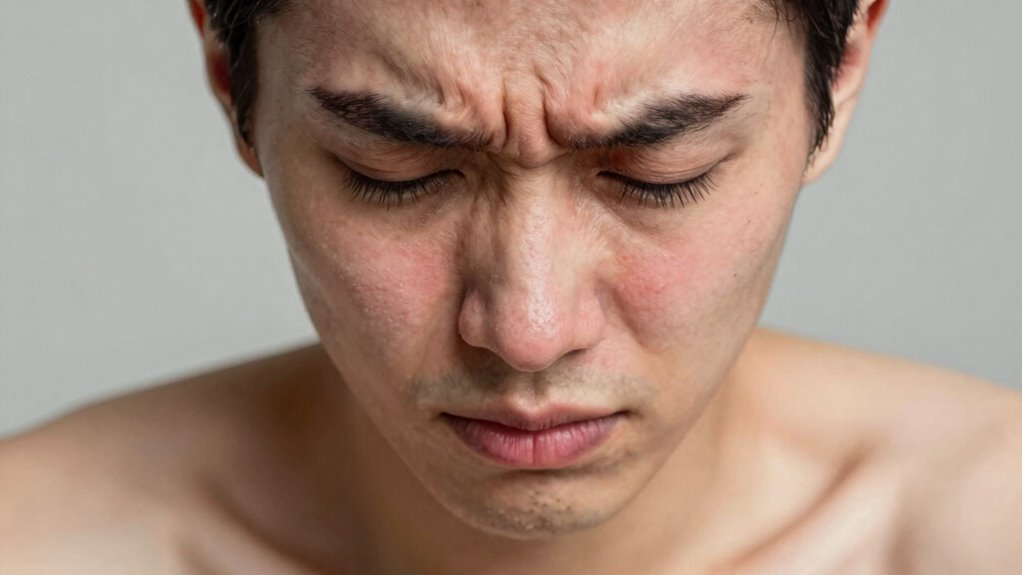
Many people carry tension in their jaw, brows, and shoulders without even realizing it, often as a response to stress or anxiety. These areas tend to be the first places where your body naturally reacts to emotional or mental strain. When you’re overwhelmed or worried, your muscles automatically tighten as a way to protect and prepare yourself. Over time, this habitual tightening becomes ingrained, making it easy to overlook how much tension you’re holding without noticing. Recognizing this pattern is the first step toward easing it.
Your jaw, in particular, tends to become clenched or tense when you’re stressed. This is often subconscious—maybe you grind your teeth at night or keep your lips pressed together during tense moments. This habitual clenching can lead to discomfort or even headaches, but many don’t realize how much it contributes to overall tension. Similarly, your eyebrows may furrow or raise without your awareness, especially during concentration or worry. This movement is a quick, reflexive way to protect your eyes or signal distress. Over time, persistent eyebrow tension can cause wrinkles or discomfort, creating a cycle of ongoing stress. Recognizing the physical manifestations of stress can help you address these habits more consciously. Developing awareness of these signs can also help you implement stress management techniques more effectively. Incorporating regular mindfulness exercises can help you become more attuned to these physical responses and reduce their frequency. Engaging in relaxation practices can further support your efforts to release tension and promote overall well-being.
Your shoulders tend to carry a lot of the emotional weight you experience daily. When you’re anxious or overwhelmed, you might notice your shoulders creeping up toward your ears or feeling heavy and stiff. This is an instinctive response to perceived threats, activating your body’s fight-or-flight system. The more you ignore this tension, the tighter these muscles become, which can lead to pain and reduced mobility. It’s common to hold tension in these areas because they serve as a physical outlet for emotional strain, even if you’re not consciously aware of it. Additionally, understanding the connection between emotional stress and physical tension can motivate you to develop healthier responses. Incorporating mindfulness exercises and relaxation techniques into your daily routine can be incredibly effective. Take a few moments to focus on your breath, noticing each inhale and exhale, which helps you connect with your body and become aware of where tension resides. Progressive muscle relaxation, where you systematically tense and then release muscles, can also teach you to identify and relax these tension-prone areas. Over time, practicing these techniques trains your mind and body to respond differently to stress, reducing the instinct to tighten your jaw, furrow your brows, or shrug your shoulders. This awareness and proactive approach can markedly decrease physical discomfort and promote a calmer, more relaxed state overall.
jaw tension relief massage tools
As an affiliate, we earn on qualifying purchases.
As an affiliate, we earn on qualifying purchases.
Frequently Asked Questions
Can Muscle Tension Indicate Underlying Health Issues?
Yes, muscle tension can indicate underlying health issues. If you notice persistent tension in your jaw, brows, or shoulders, it might be linked to muscle fatigue or stress, but it could also signal health symptoms like anxiety, sleep problems, or neurological conditions. Pay attention to these signs, especially if they accompany other symptoms, and consult a healthcare professional to rule out serious issues and find effective relief.
How Does Daily Stress Contribute to Physical Tension?
Daily stress triggers muscle tension when you don’t find healthy ways to manage your emotions. Your body stores this tension as a form of emotional release, often manifesting first in your jaw, brows, and shoulders. Over time, persistent stress causes your muscles to tighten, leading to discomfort and potential pain. Recognizing these signs helps you address stress early, reducing physical tension and supporting overall well-being.
Are There Specific Habits That Worsen Jaw, Brow, and Shoulder Tension?
Yes, certain habits can worsen tension in your jaw, brow, and shoulders. Poor posture habits, like slouching or leaning forward, put extra strain on these areas. Additionally, habitual facial expressions like furrowing your brow or clenching your jaw increase muscle tension. Over time, these habits reinforce stress-related tension, making it harder to relax these muscles. Being mindful of your posture and facial expressions can help reduce ongoing tension.
Can Relaxation Techniques Effectively Target These Tension Areas?
Yes, relaxation techniques like breathing exercises and progressive relaxation can effectively target tension in your jaw, brows, and shoulders. When you focus on deep, slow breaths, you activate your body’s relaxation response, easing muscle tightness. Progressive relaxation helps you systematically release tension from these areas by tensing and relaxing muscles. Regular practice reduces persistent stress, making it easier to relax your jaw, brow, and shoulders throughout the day.
What Long-Term Effects Can Chronic Tension Cause?
Chronic tension from emotional triggers and poor postural habits can lead to long-term issues like persistent pain, headaches, and reduced mobility. You might also develop joint problems or muscle imbalances if you ignore these signs. Over time, this tension can even impact your mental health, causing increased stress and anxiety. Addressing emotional triggers and adjusting your postures early can prevent these lasting effects and promote overall well-being.
As an affiliate, we earn on qualifying purchases.
Conclusion
When tension shows up in your jaw, brows, and shoulders, it signals that your body is trying to tell you something. Recognize these signs, release the stress, and restore balance. Focus on relaxing these areas, breathing deeply, and becoming more aware of your body’s signals. By doing so, you prevent tension from taking hold, ease discomfort, and foster a sense of calm. Ultimately, listening to your body helps you stay centered, resilient, and in control.
stress relief mindfulness meditation kit
As an affiliate, we earn on qualifying purchases.
As an affiliate, we earn on qualifying purchases.
facial tension release exercises guide
As an affiliate, we earn on qualifying purchases.
As an affiliate, we earn on qualifying purchases.
Halloween Picks
halloween
As an affiliate, we earn on qualifying purchases.